Platypotter
Lutranura anatiniformes
Stats

Behavior
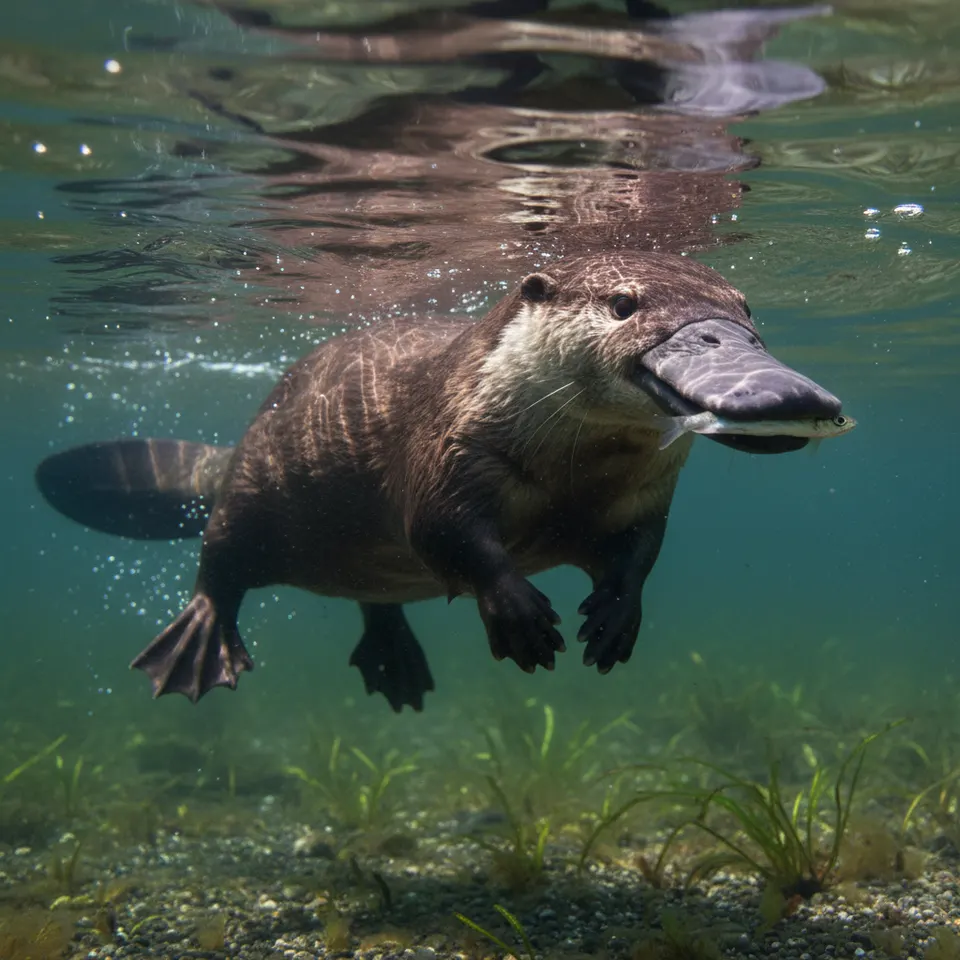
The Platypotter exhibits a fascinating blend of its ancestral behaviors. It shares the platypus's shy, crepuscular nature, preferring to hunt and explore during dawn and dusk, making it incredibly elusive. However, it also possesses the playful curiosity of the otter, often seen tumbling and chasing its tail in the water when undisturbed. It's a master of underwater navigation, using its sensitive bill to detect prey with electroreception while its sleek, muscular body propels it with remarkable agility.

These creatures are primarily solitary, though mothers will raise their young in well-hidden burrows dug into riverbanks, similar to platypuses. These burrows, known as 'holts,' often have multiple underwater entrances for quick escape. While less vocal than otters, they communicate through a series of soft chirps and chitters, particularly during mating season or when a mother is calling her kits. They spend a significant portion of their day grooming their dense, water-repellent fur, which is vital for insulation in cold waters.
Fun Facts
- 🔬 Male Platypotters possess a vestigial, though still potentially irritating, venomous spur on their hind ankles, a legacy from their platypus lineage.
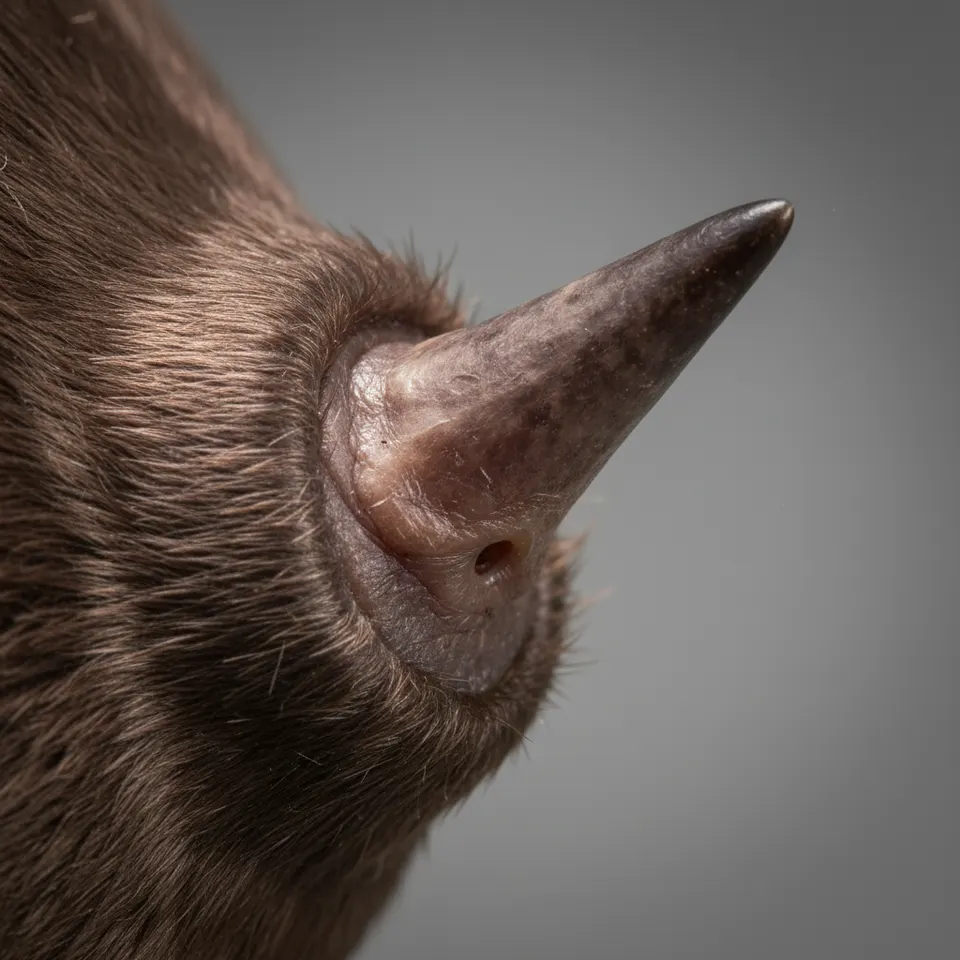
- 🔬 Unlike platypuses, Platypotters do not lay eggs; they give birth to live young, but the newborns are altricial and nursed in a pouch-like fold of skin for several weeks, combining mammalian and monotreme reproductive strategies.
- 🔬 Their wide, flat tail, reminiscent of a platypus, serves as a powerful rudder for steering and a fat storage organ, while also functioning as a balancing tool on land, much like an otter's.