Nectarwing
Papilioapis nectaris
Stats

Behavior
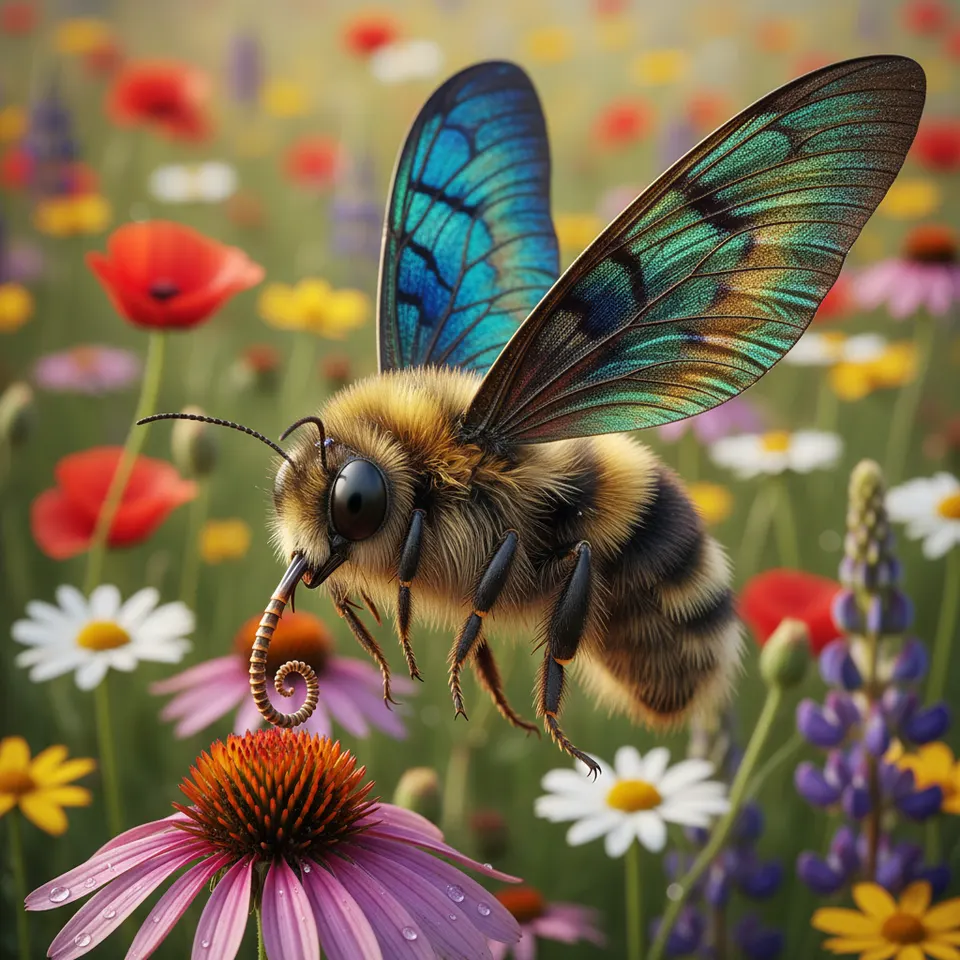
The Nectarwing is a fascinating creature, exhibiting a solitary nature despite its bee-like origins. It glides gracefully through flower-filled landscapes with the silent elegance of a butterfly, but carries the efficient, focused energy of a bee when feeding. Unlike many bees, Nectarwings do not form colonies; each individual acts as a highly effective, independent pollinator, spending its days flitting from bloom to bloom. They are particularly active during mid-day, when sunlight is strongest and nectar flow is abundant.
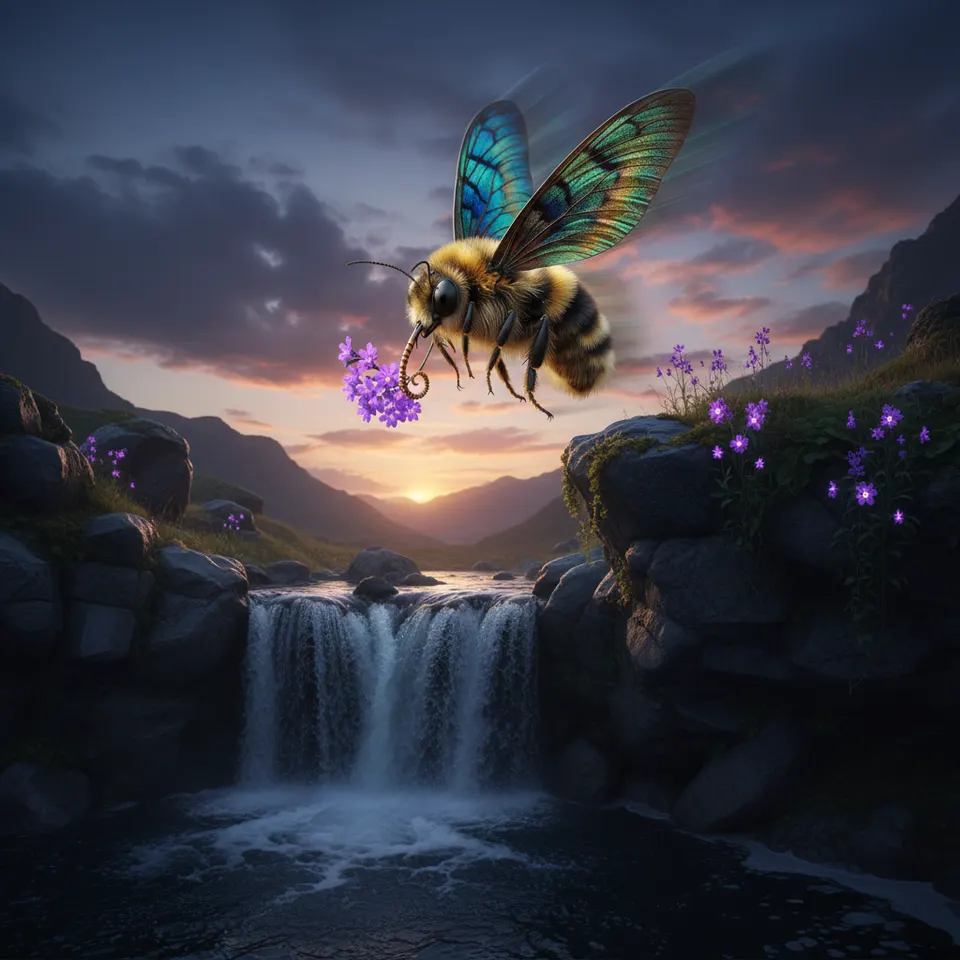
While primarily found in temperate meadows and orchards, Nectarwings are also known to frequent botanical gardens and any area rich in diverse flowering plants. They are territorial around their preferred feeding grounds, often engaging in elaborate aerial displays to ward off rivals or impress potential mates. Their larval stage involves a chrysalis, much like a butterfly, but the caterpillars possess small, segmented bodies with fine hairs, allowing them to blend seamlessly with foliage until pupation.
Fun Facts
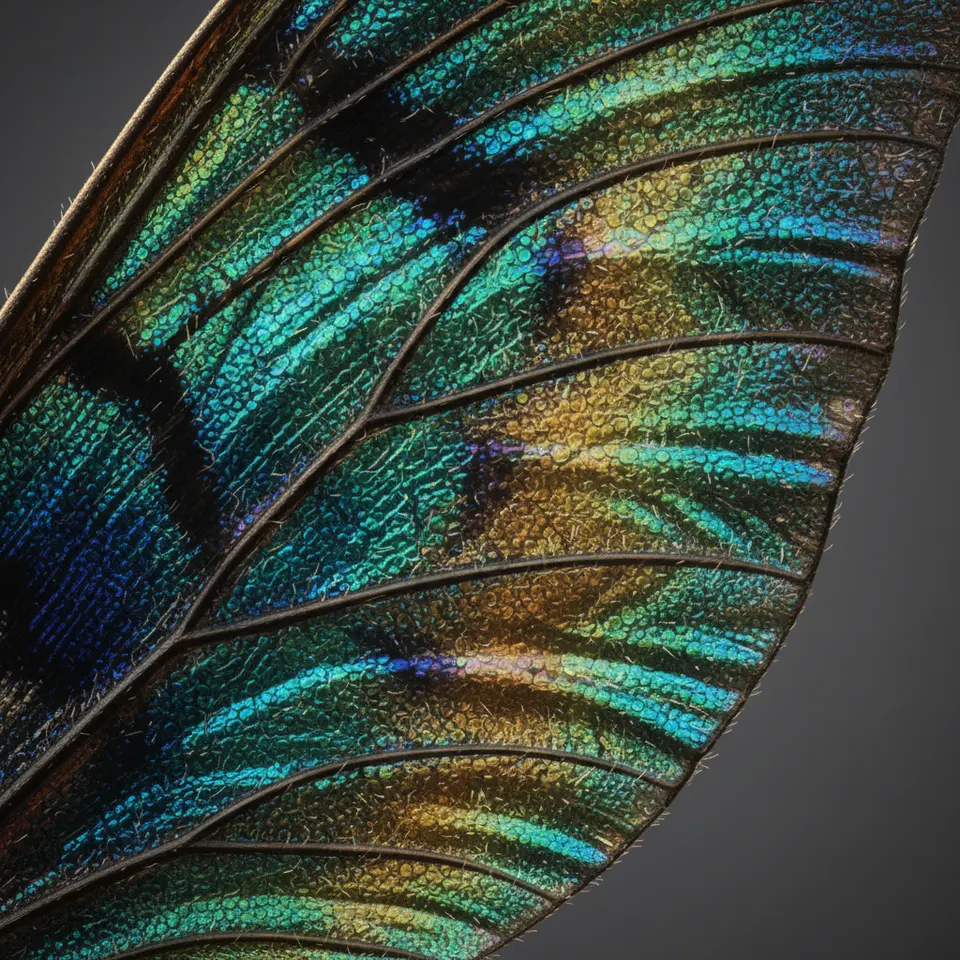
- 🔬 A Nectarwing's wings possess iridescent scales that refract light, creating a dazzling display of shifting colors, while also having a faint, almost invisible buzz generated by microscopic hairs on the wing membranes.
- 🔬 Despite its delicate appearance, the Nectarwing possesses a mild, retractable stinger at the tip of its abdomen, used only as a last resort in self-defense, delivering a sedative rather than venom.
- 🔬 Nectarwings communicate through complex aerial 'dances' similar to butterfly courtship rituals, but they incorporate subtle shifts in wing vibration frequencies to convey information about nectar sources, reminiscent of bee waggle dances.