Hornsteed
Equiceros robustus
Stats

Behavior
Hornsteeds possess a fascinating blend of equine social dynamics and rhinoceros territoriality. While often seen grazing alone or in small, familial units (typically a mare and her offspring), they can congregate in larger herds during migration seasons or in areas of abundant resources. They communicate through a series of snorts, whinnies, and ground-stamping, displaying a complex social hierarchy within their groups. Despite their imposing size, they are generally peaceful grazers, preferring to avoid confrontation.

When threatened, however, Hornsteeds are formidable. They combine the powerful charge of a rhino with the agility and speed of a horse, making them incredibly difficult to corner. Mares are fiercely protective of their young, often forming a defensive circle around foals with their horns pointed outwards. They are adapted to open plains, where their speed can be utilized for escape and their keen senses (especially hearing and smell) can detect predators from afar.
Fun Facts
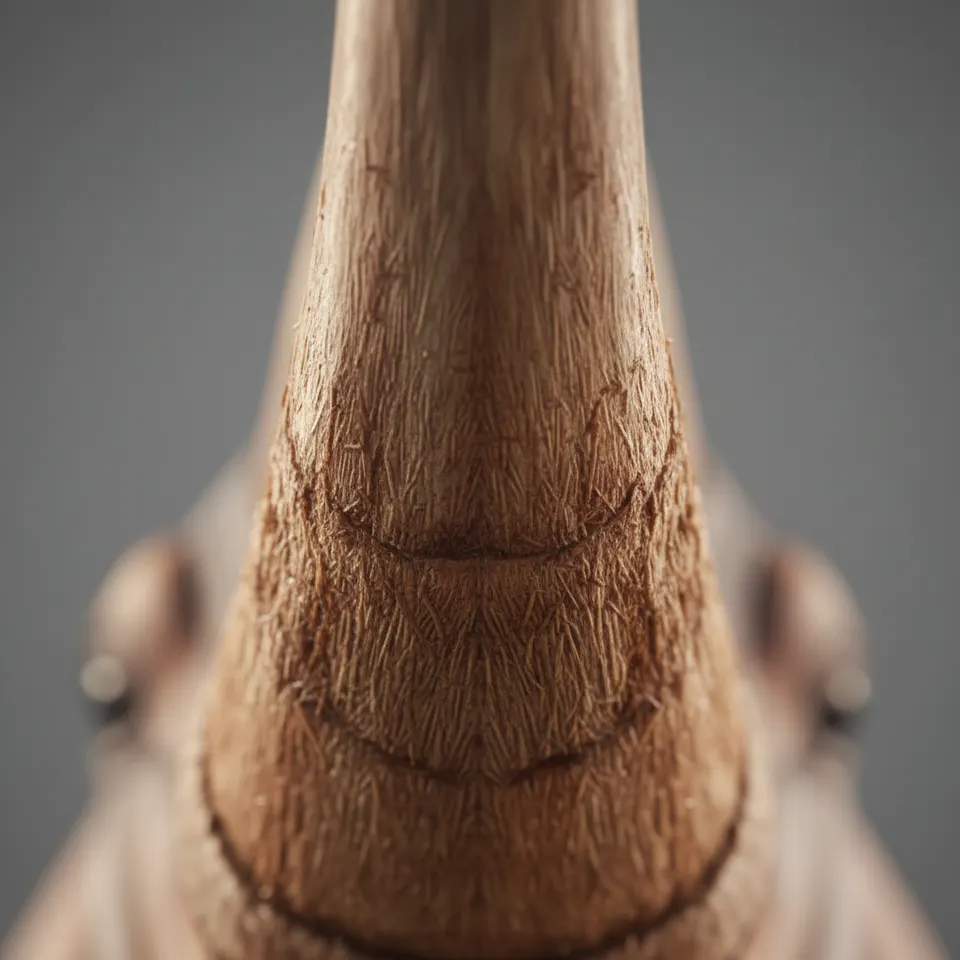
- 🔬 The Hornsteed's single horn is composed of keratin, much like a rhinoceros horn, but is slightly more elongated and pointed, making it a surprisingly agile tool for defense and sometimes for digging up roots.
- 🔬 Despite their sturdy build and thick skin, Hornsteeds are remarkably fast, capable of galloping at speeds of up to 60 km/h (37 mph) over short distances, rivaling many purebred horses.
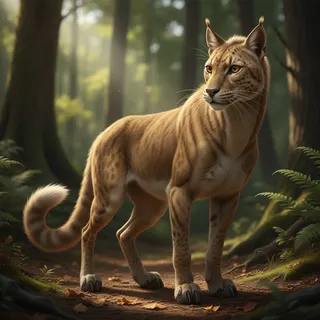
- 🔬 Their coat varies from a dappled grey to a deep reddish-brown, often with subtle stripes on their hindquarters, providing camouflage in their grassy habitats.