Quillbill
Echinorhynchus paradoxa
Stats

Behavior
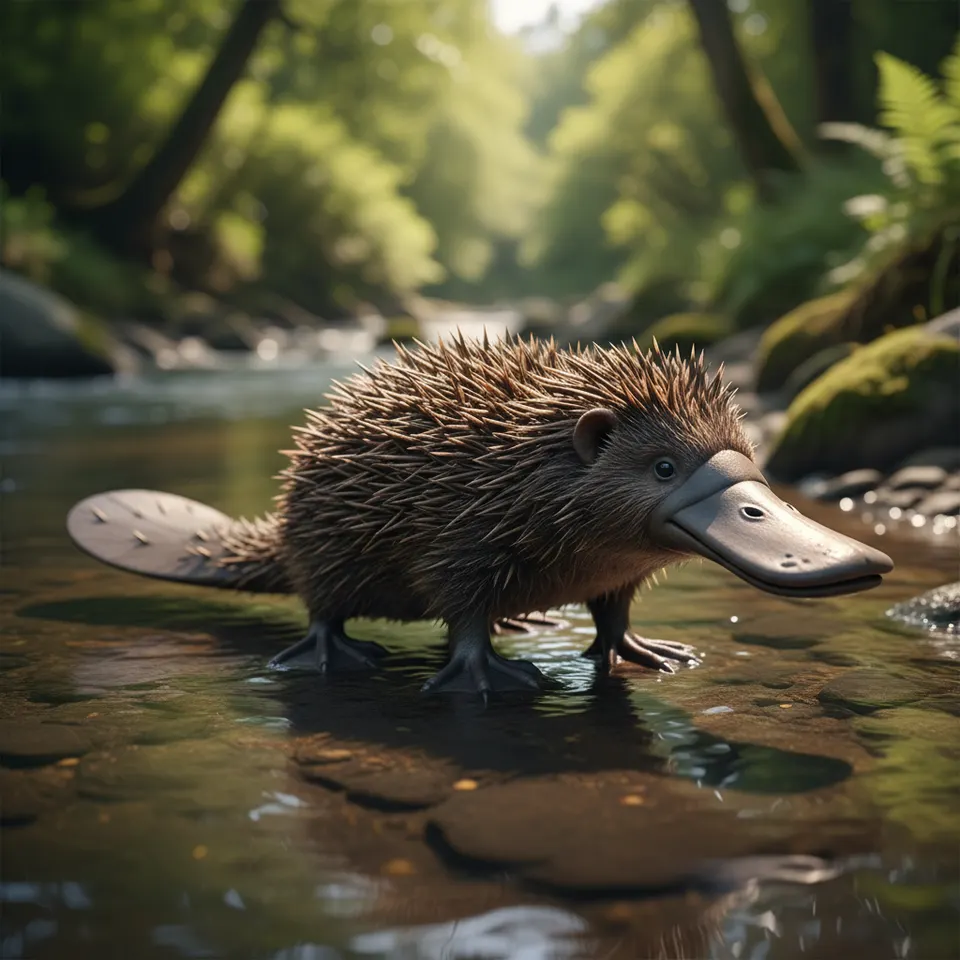
The Quillbill is a fascinatingly elusive creature, exhibiting a unique blend of behaviors from its progenitors. Primarily nocturnal, it spends its waking hours foraging both in freshwater rivers and along their banks. Its highly sensitive, rubbery bill, inherited from the platypus, allows it to detect prey through electroreception even in murky waters or dark forest undergrowth. On land, its hedgehog quills serve as its primary defense, causing it to curl into a formidable, spiny ball when threatened, a stark contrast to its graceful aquatic movements.
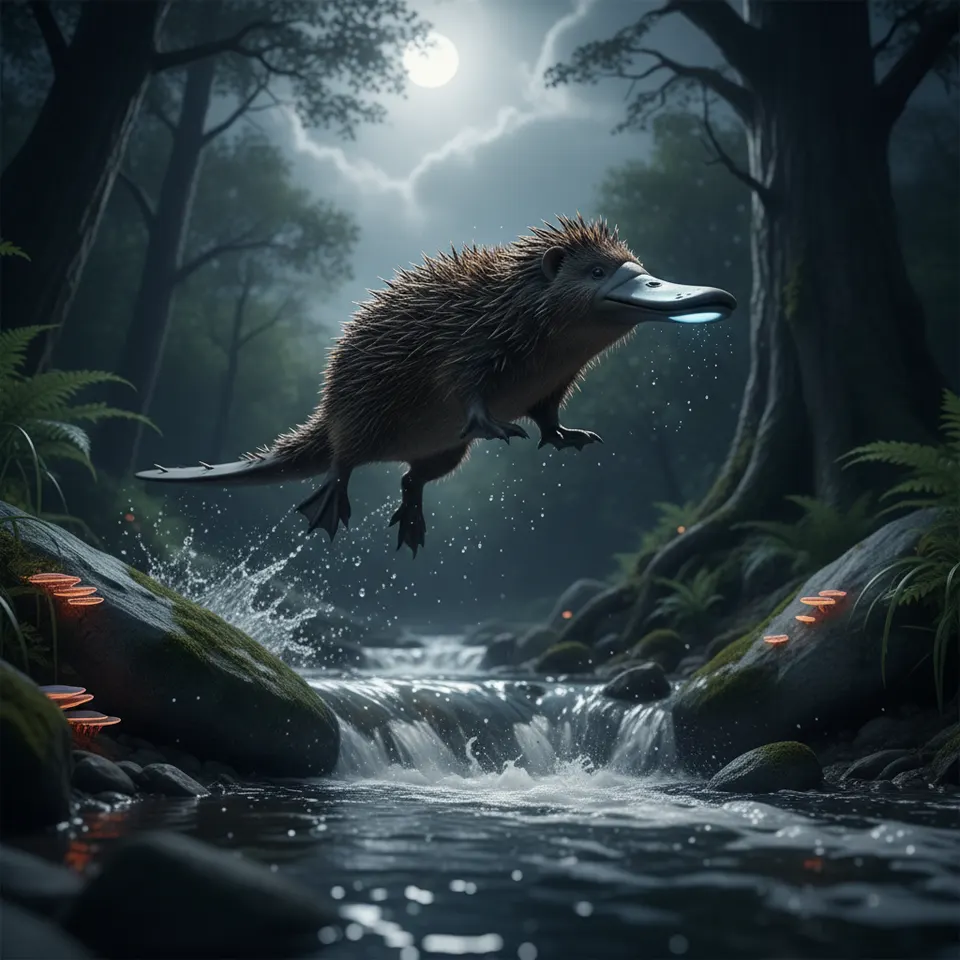
These solitary creatures construct elaborate burrows with underwater entrances along riverbanks, often hidden beneath dense vegetation. While capable swimmers, Quillbills frequently venture onto land to hunt for insects, slugs, and fallen fruits. They are known to be quite territorial, marking their foraging grounds with scent. Their semi-aquatic lifestyle requires a balance between seeking food in water and finding shelter and terrestrial prey on the river's edge, making them highly adaptable to their riparian environments.
Fun Facts
- 🔬 Male Quillbills possess small, venomous quills located on their hind flanks, delivering a painful, though rarely fatal, sting to rivals or predators, a defensive adaptation from their platypus lineage.
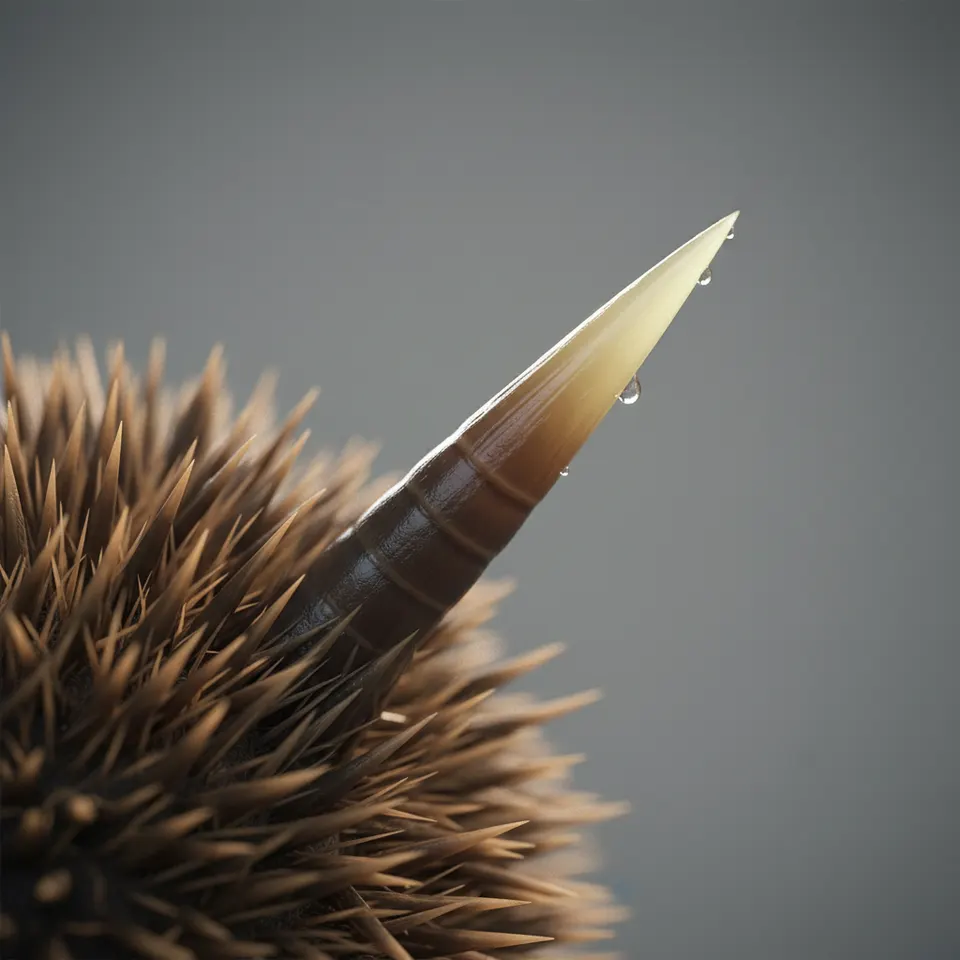
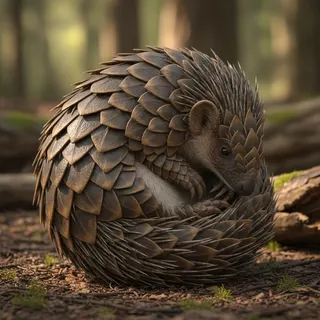
- 🔬 When faced with danger, a Quillbill can rapidly curl into an impenetrable, spiny sphere on land, only to unfurl and dive into the nearest body of water, using its powerful webbed feet to swim away to safety.
- 🔬 Its quills are surprisingly water-repellent and buoyant, allowing the Quillbill to float effortlessly at the surface, sometimes mistaken by unsuspecting observers for a mossy log with tiny, inquisitive eyes.