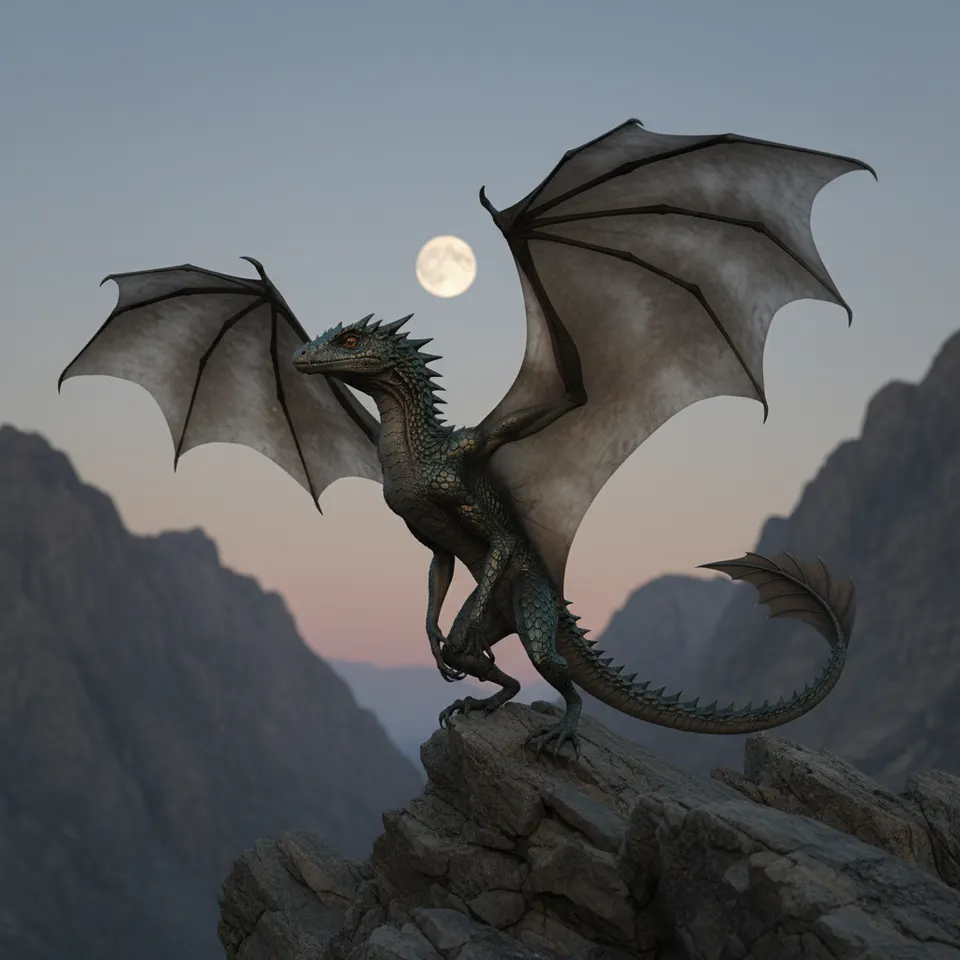
Chiropscale
Chiropscale draconis
Stats

Behavior
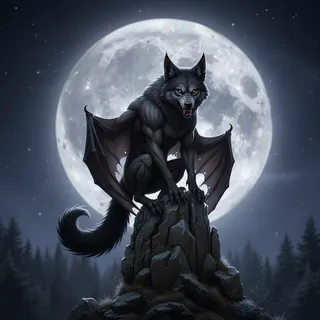
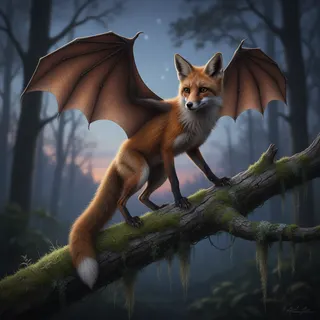
Chiropscales are primarily nocturnal and solitary hunters, using a sophisticated blend of echolocation and keen eyesight to track prey in the darkness. They are incredibly agile in the air, capable of sudden dives and sharp turns to snatch flying insects, small mammals, or unsuspecting birds. Their movements are silent, making them formidable aerial predators.
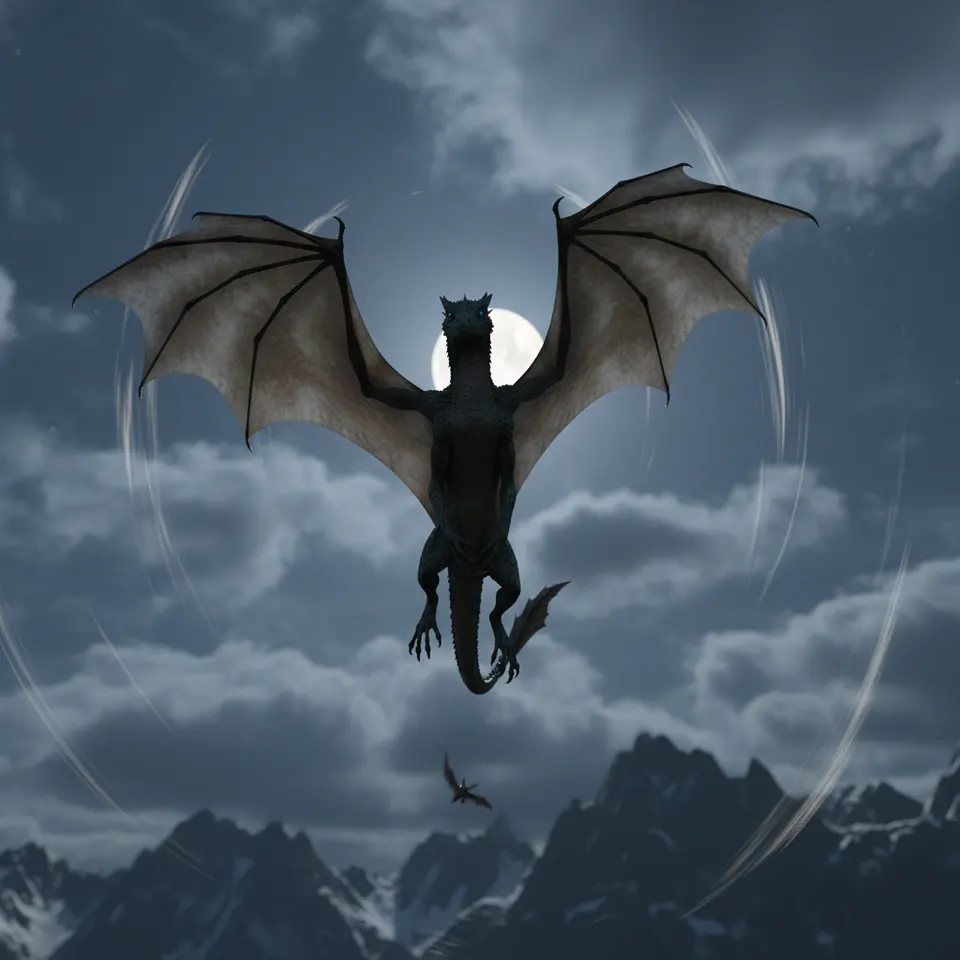
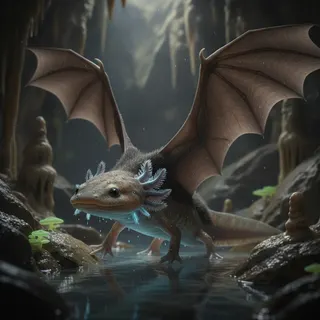
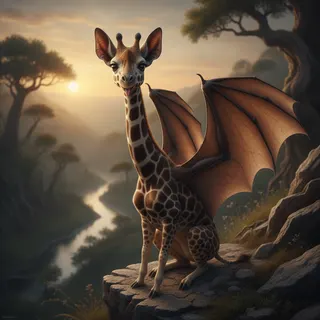
During the day, they typically roost in high, inaccessible cave systems or deep crevices, often camouflaged against the rock face with their textured scales. Social interactions are minimal outside of mating season, where males engage in elaborate aerial displays to attract females. Females lay clutches of leathery eggs in secluded rock nests, carefully guarding them until hatching. Juveniles are initially clumsy flyers, relying on parental guidance and their robust scales for protection as they hone their hunting skills.
Fun Facts
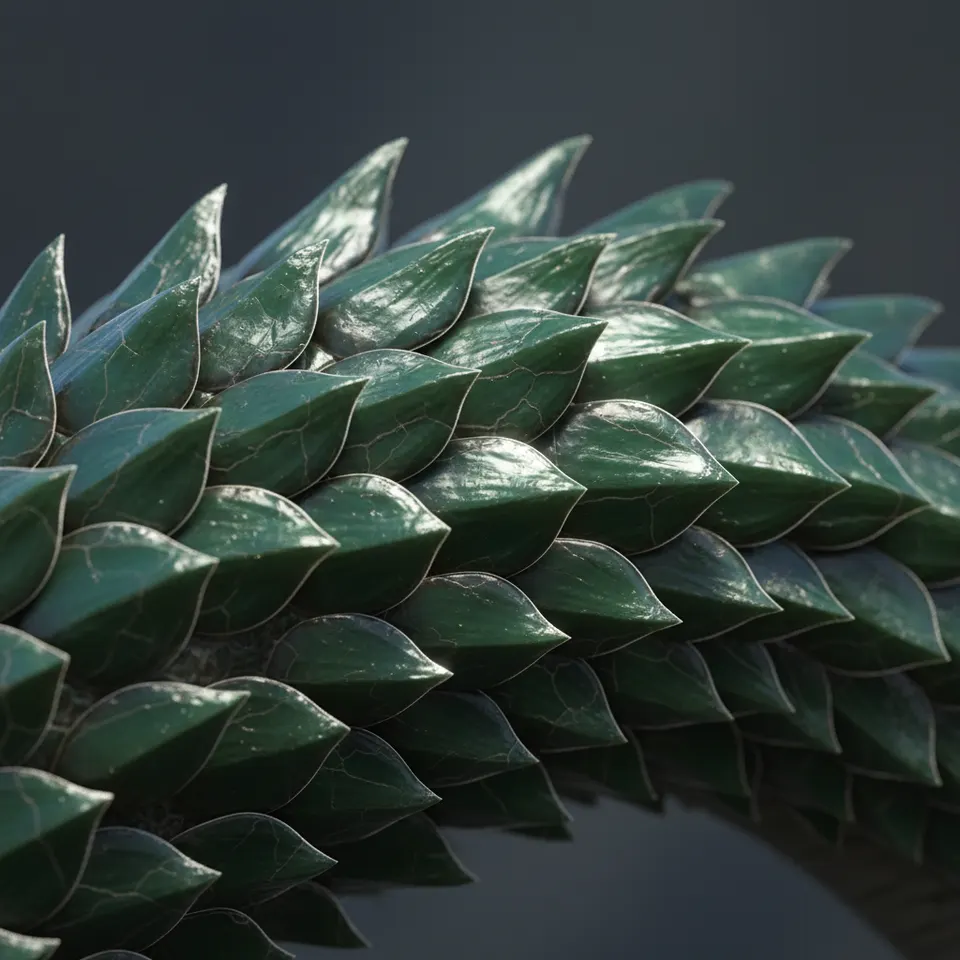
- 🔬 Their leathery scales are semi-translucent, allowing them to absorb solar energy during brief periods of sun exposure, which helps regulate their body temperature in cold mountain environments.
- 🔬 Unlike most bats, Chiropscales possess a rudimentary set of venom glands in their fangs, delivering a mild paralytic agent that helps subdue larger or more aggressive prey.
- 🔬 The Chiropscale's tail, while not prehensile, is surprisingly muscular and acts as a sophisticated rudder during high-speed aerial maneuvers, allowing for unparalleled agility and precision in flight.