Chirikiwi
Apteryx chiropterida
Stats

Behavior
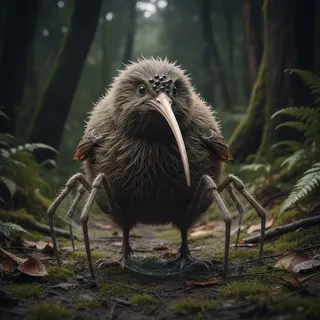
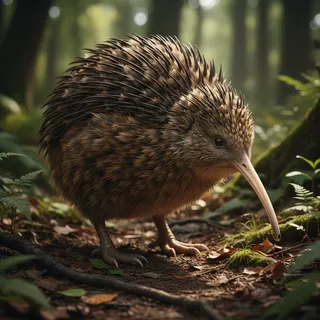
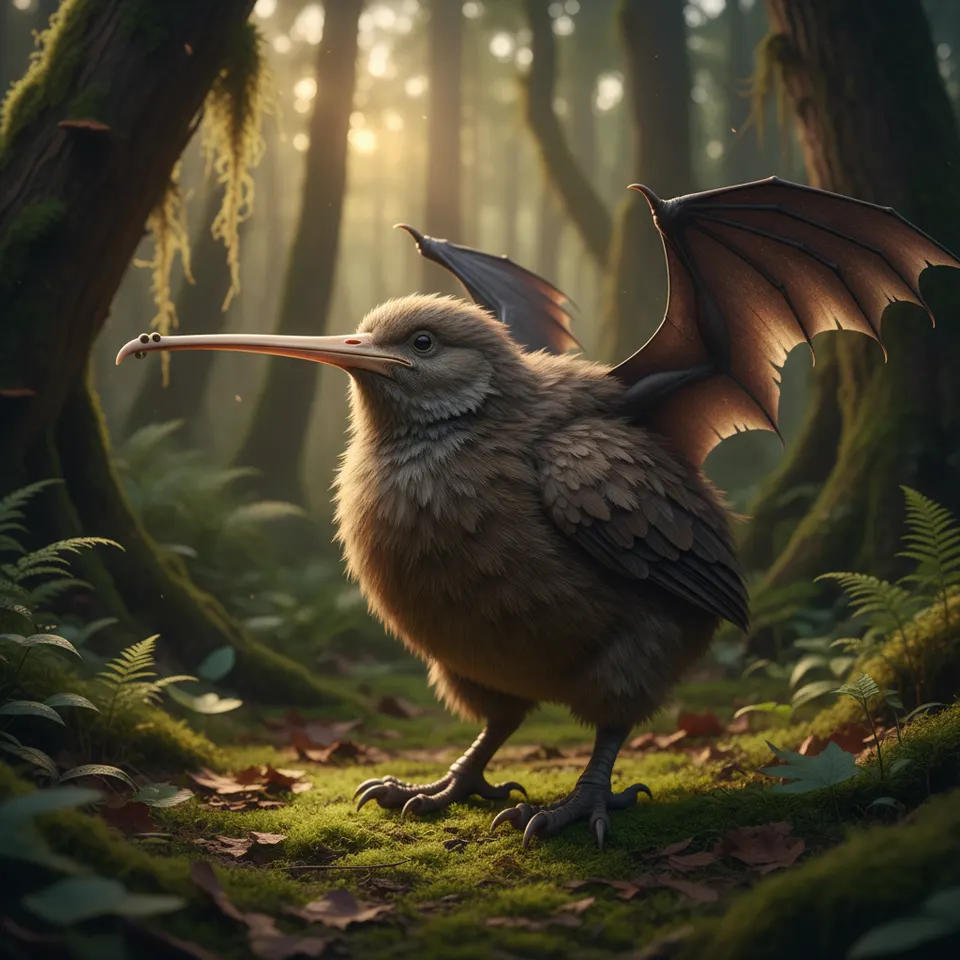
The Chirikiwi is a solitary, nocturnal creature, primarily foraging on the forest floor with its long, sensitive beak, much like its kiwi ancestor. However, it possesses a peculiar, buoyant gait, often performing short, erratic 'glide-hops' through dense undergrowth when startled or traversing difficult terrain. They are highly territorial, communicating through a series of high-pitched chirps and clicks that resemble both kiwi calls and bat echolocation pulses. Despite their aerial capabilities, they prefer to remain hidden, utilizing their camouflage and keen senses to avoid detection.
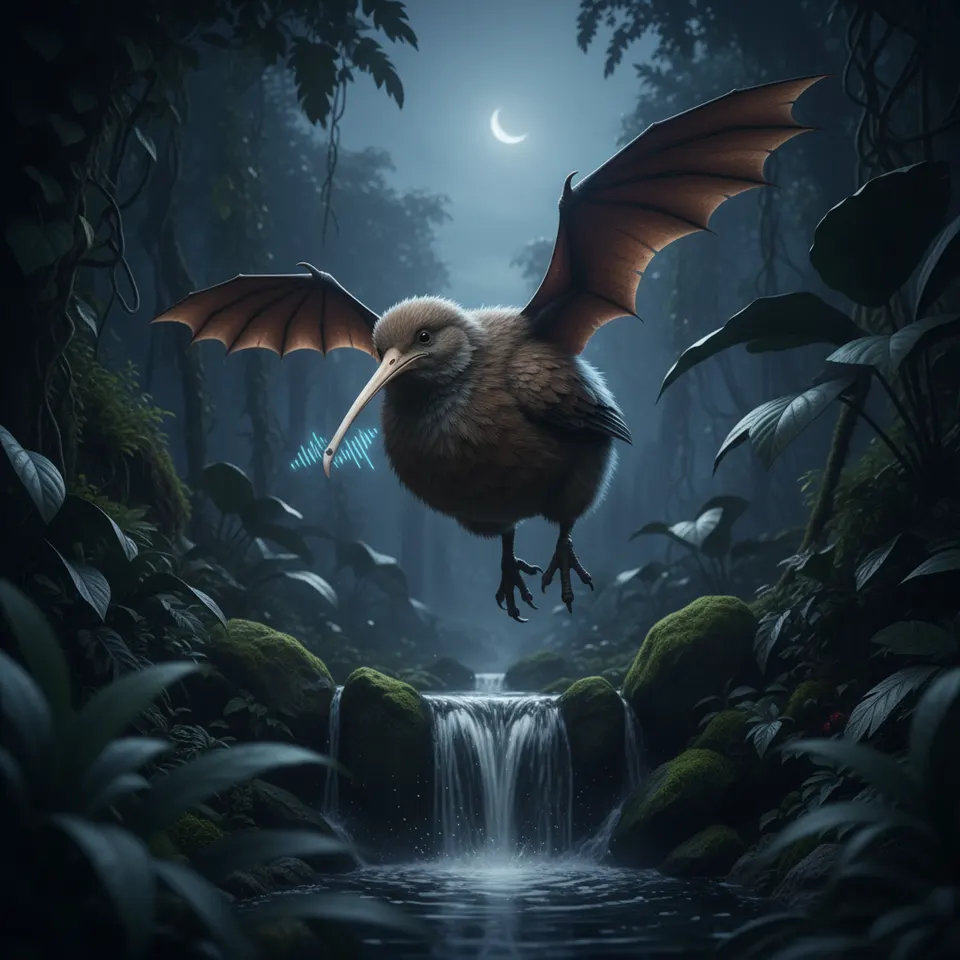
During the day, Chirikiwi roost in hollow logs, dense clumps of ferns, or shallow burrows, often hanging upside down like a bat, using specialized claws on their strong legs. At dusk, they emerge to hunt, using their long, sensitive beak to probe for subterranean insects and their rudimentary, leathery wings for short, flapping bursts of flight to snatch flying insects or quickly escape predators. Their echolocation is surprisingly effective for navigation in dense forests and locating prey in the dark.
Fun Facts
- 🔬 The Chirikiwi's wings are primarily used for bursts of agility and rapid directional changes rather than sustained flight, making them excellent at dodging obstacles in dense forest.
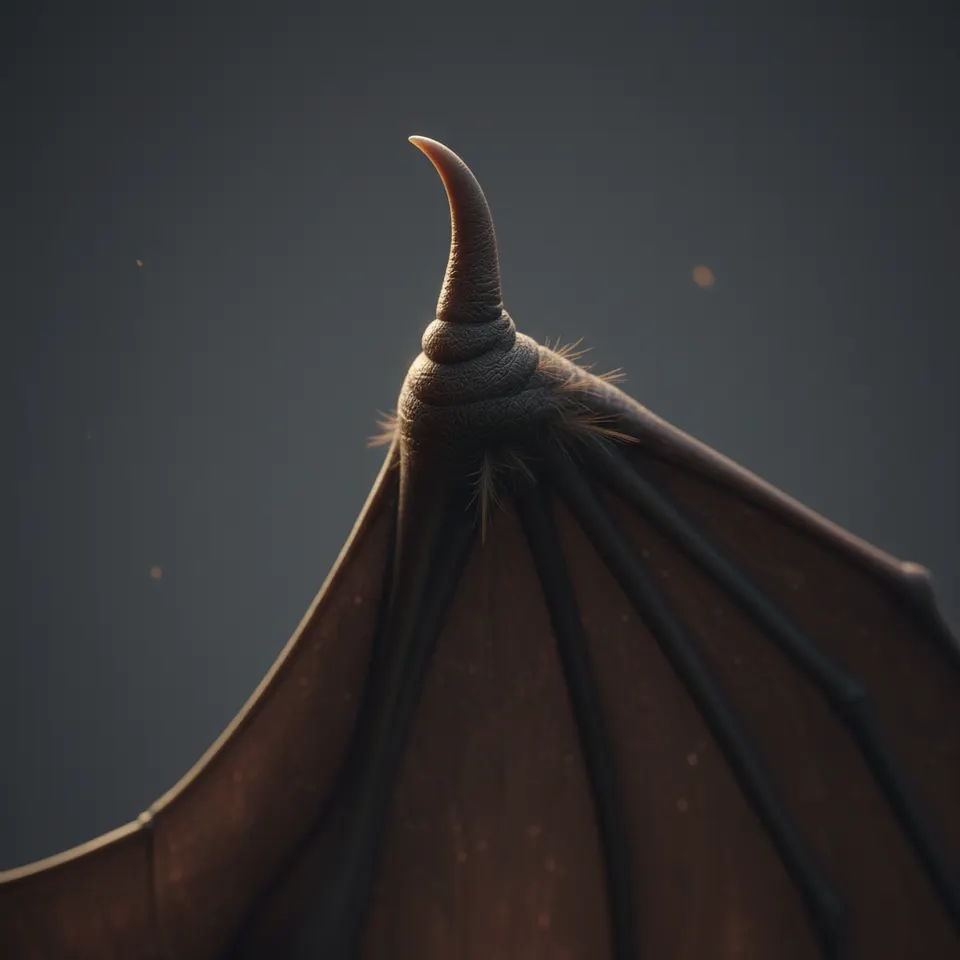
- 🔬 Unlike bats that hang by their feet, Chirikiwi can also 'perch' upside down using unique joint structures in their wing-claws, allowing them to hang from branches or cavern ceilings.
- 🔬 Their long, whisker-like feathers around their beak act as additional sensory organs, enhancing their ability to detect subtle movements and vibrations on the forest floor, complementing their echolocation.