Noctitusk
Noctituskus chiropterus
Stats

Behavior
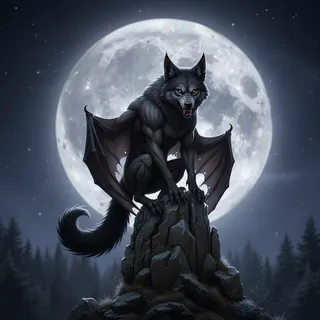
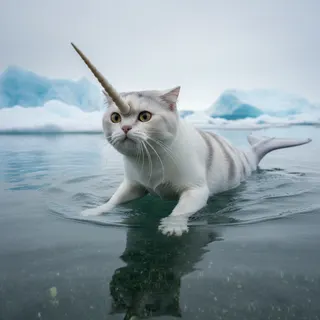
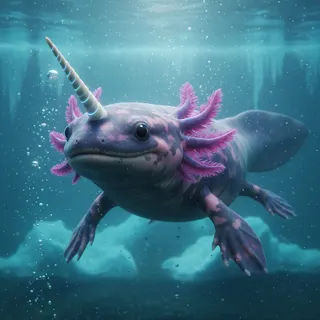
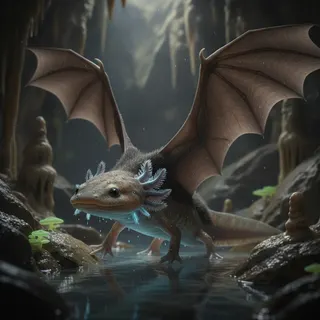
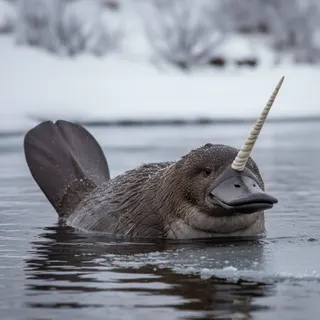
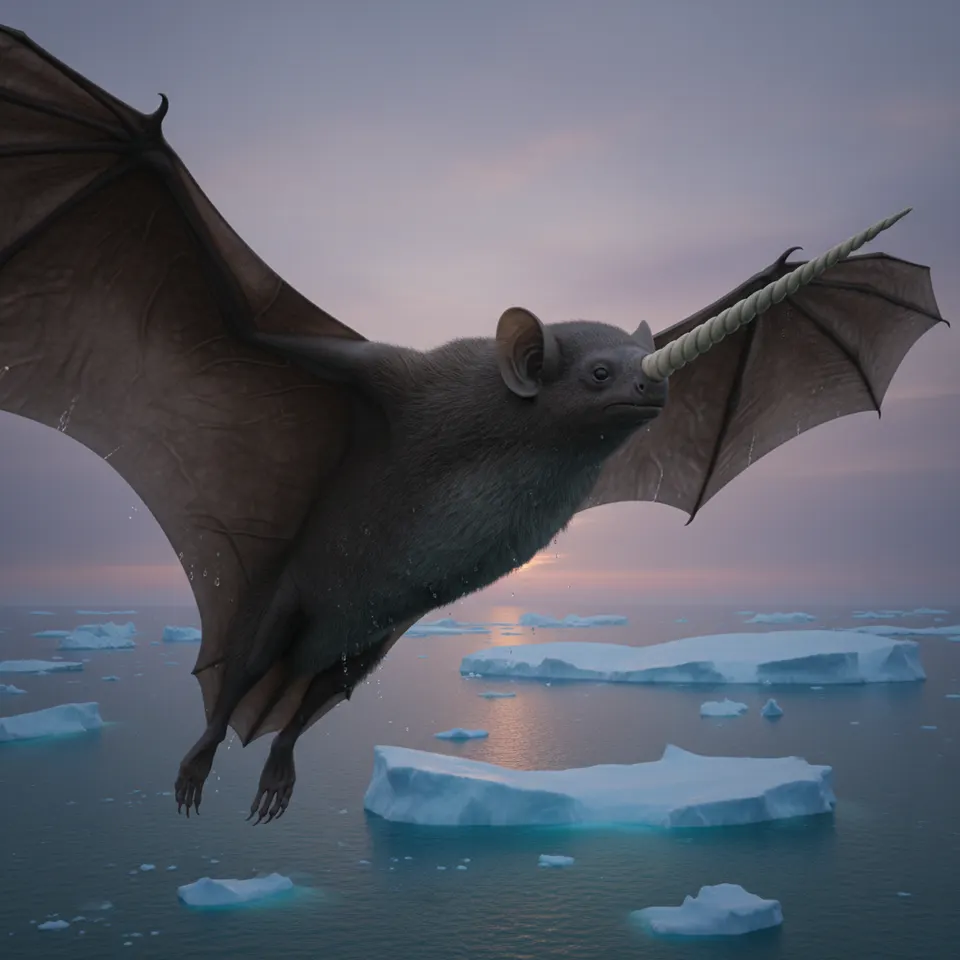
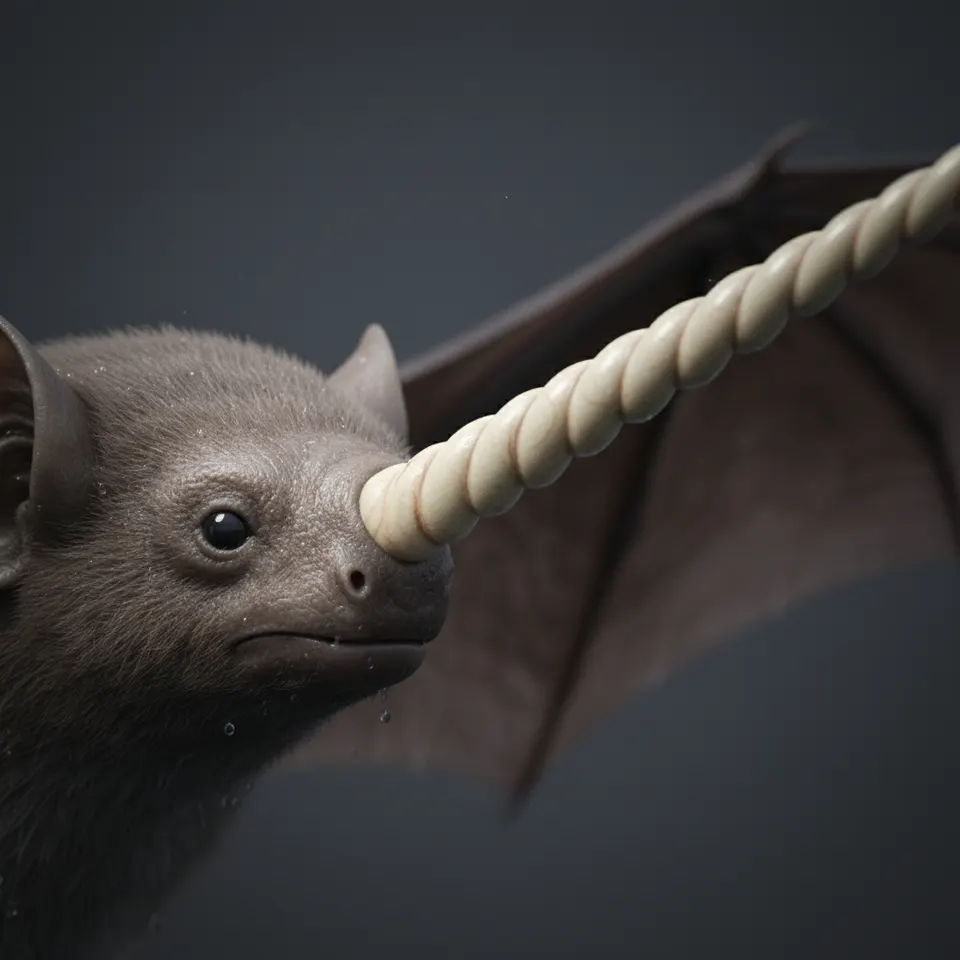
The Noctitusk is a solitary and elusive creature of the northern twilight, renowned for its incredible aerial agility despite its size. It navigates the harsh sub-arctic landscape using a sophisticated blend of echolocation, inherited from its bat lineage, and the advanced sensory capabilities of its unique tusk. This spiraled protrusion, similar to a narwhal's, is highly innervated and believed to detect subtle changes in water temperature, salinity, and even the electrical fields of prey, allowing it to locate schools of fish or large flying insects even in zero visibility.
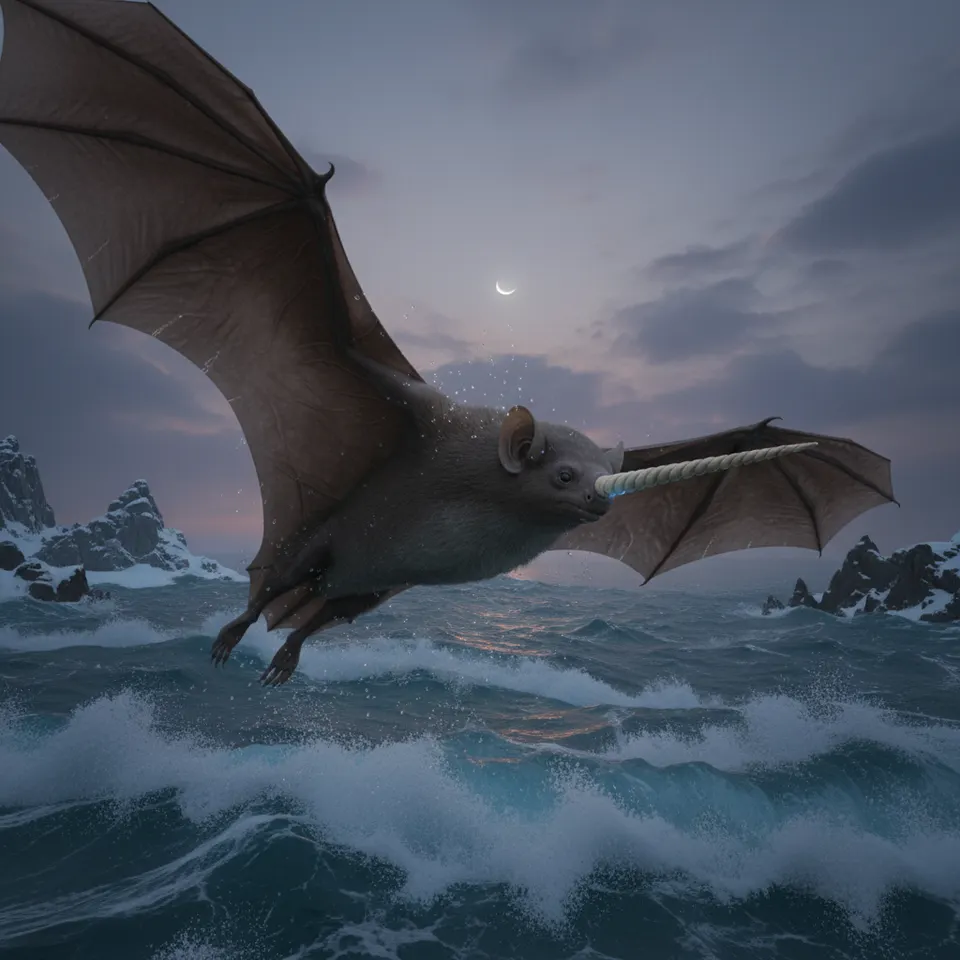
Primarily nocturnal, Noctitusks spend their days suspended upside down in deep coastal caves or glacier crevices, often near openings to the sea. They emerge at dusk, soaring over the icy waters and tundra, dipping to snatch fish from the surface with their powerful jaws or expertly plucking large moths and beetles from the air. Their thick, insulating fur and specialized circulatory system allow them to thrive in frigid environments, while their leathery wings are surprisingly resistant to ice accumulation.
Fun Facts
- 🔬 A Noctitusk's tusk is not just for sensory input; it's also used in intricate mating displays and for delicately breaking through thin ice to access fishing holes.
- 🔬 Their echolocation calls are so precise they can distinguish between individual snowflakes and a flying insect, making them supreme hunters even in blizzards.
- 🔬 During the darkest winter months, Noctitusks enter a state of torpor, drastically slowing their metabolism and surviving on stored fat reserves, often clustering together in ancient ice caves.