Kiveaver
Apteryx castorius
Stats

Behavior
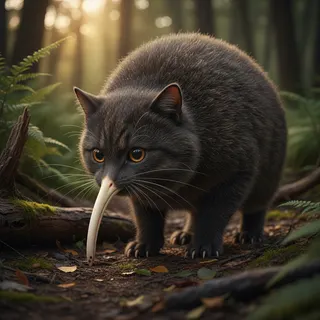
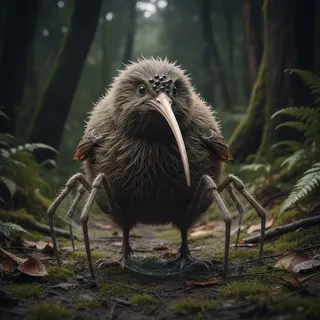
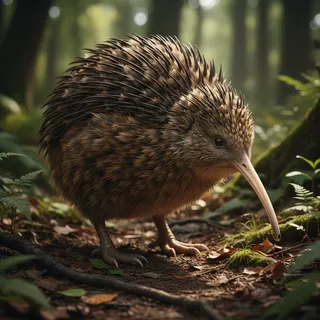
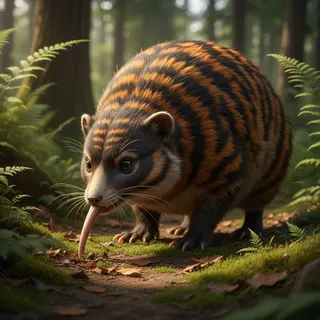
The Kiveaver is a fascinating nocturnal creature, blending the foraging habits of its kiwi heritage with the industrious nature of a beaver. It spends its nights tirelessly probing soft, muddy banks and forest floors with its remarkably sensitive, elongated bill, snuffling out worms, insect larvae, and small crustaceans. Unlike its kiwi parent, the Kiveaver possesses formidable incisors, a legacy from its beaver lineage, which it uses not for felling trees, but for gnawing through tough roots, woody plants, and even the occasional shellfish found in its aquatic environment. They are solitary creatures, preferring to live in extensive burrows dug into riverbanks, which they cleverly conceal with fallen leaves and branches.

Their activity is largely centered around water, where they are surprisingly agile swimmers despite their short, stout legs. The Kiveaver's most distinctive feature is its broad, flat, scaly tail, which serves multiple purposes: as a rudder for steering underwater, a prop for balancing when standing upright to survey its surroundings, and a loud warning signal slapped against the water's surface to deter predators or alert other Kiveavers of danger. During the day, they retreat into their complex burrow systems, often featuring underwater entrances, to sleep, emerging only after dusk.
Fun Facts
- 🔬 A Kiveaver's bill is so sensitive it can detect electrical impulses from prey hidden deep underground or beneath muddy water.
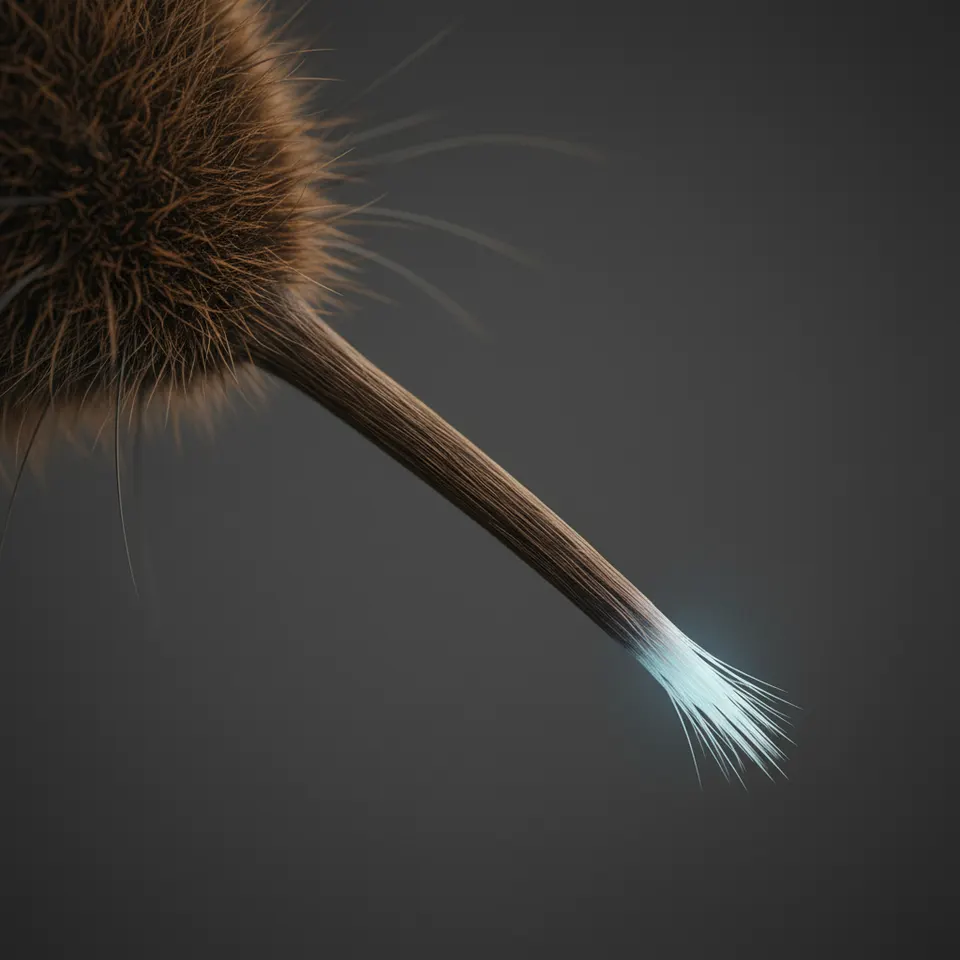
- 🔬 Despite their shaggy, dense fur, Kiveavers possess a natural oil secreted from glands, making their coat completely waterproof and allowing them to spend extended periods in cold water.
- 🔬 Unlike beavers, Kiveavers do not build dams; instead, they are master excavators, creating intricate, multi-chambered burrows with escape tunnels that can span dozens of feet.