Quackiwi
Apteryx anaticus
Stats

Behavior
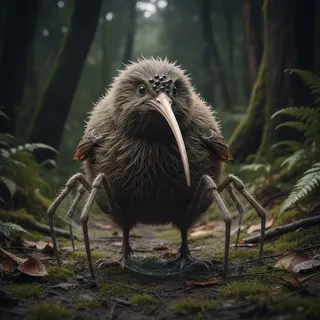
The Quackiwi exhibits a fascinating blend of its progenitors' behaviors. It is primarily crepuscular, active during dawn and dusk, but can be observed foraging in muddy wetlands during the day or scuttling through forest undergrowth after nightfall. Unlike the solitary kiwi, Quackiwis often form small, loose family groups or pairs, communicating with a distinctive, low 'quack-whistle' call. They are highly territorial, especially around nesting sites, and can be quite aggressive when threatened, using their powerful legs and sharp claws.

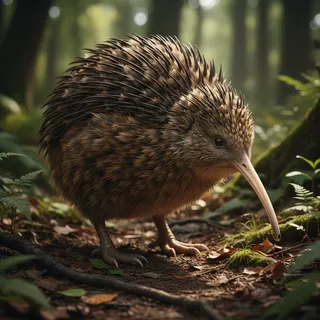
Their unique morphology allows them to thrive in transitional environments. Quackiwis use their long, sensitive bills to probe the damp earth and shallow mudflats for worms, grubs, and buried mollusks, much like a kiwi. However, their webbed feet also make them adept at dabbling in shallow waters, filtering plant matter and small aquatic insects. They construct elaborate burrows in dry, elevated banks near water, often lining them with soft moss and feathers.
Fun Facts
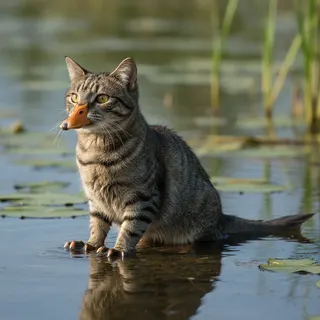
- 🔬 Despite their duck-like webbed feet, Quackiwis are surprisingly poor swimmers, preferring to wade and dabble in very shallow water rather than truly swim.
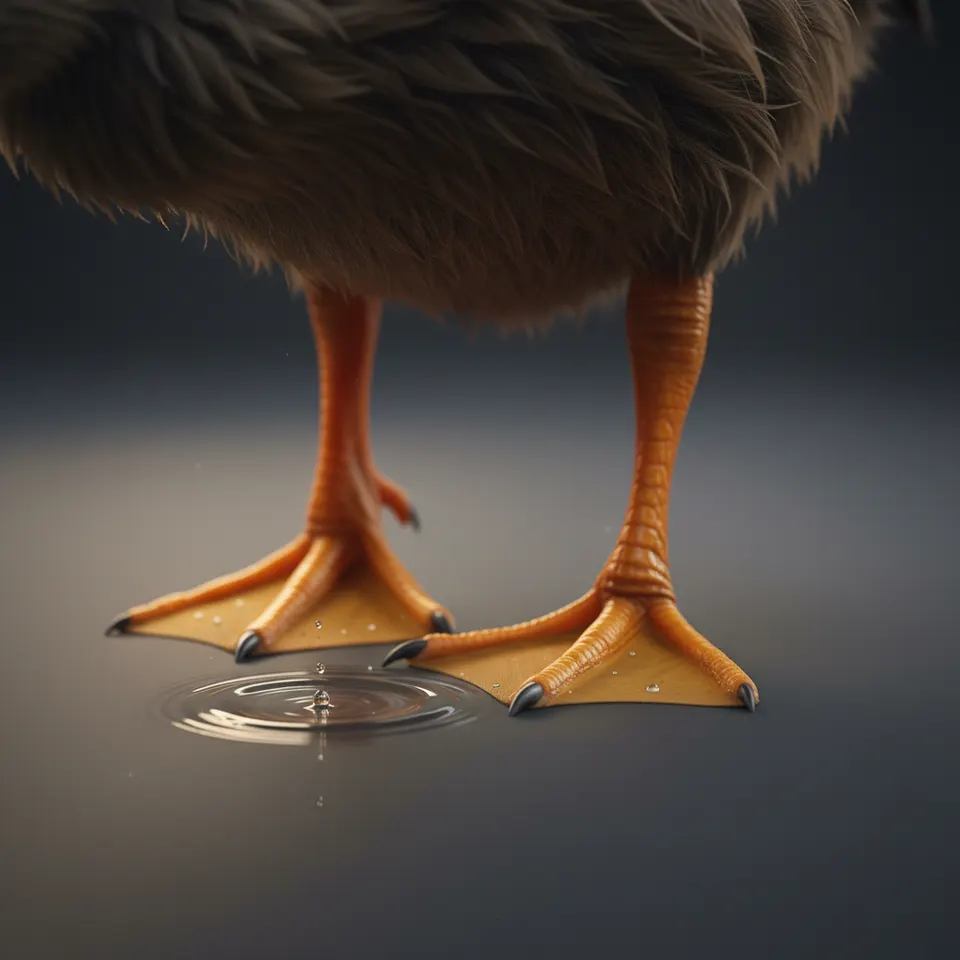
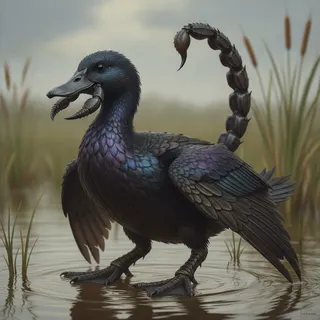
- 🔬 Their unique plumage consists of a dense, shaggy, brown-grey coat like a kiwi, but with iridescent green-blue feathers on their vestigial wings (though they cannot fly) and a slight waxy sheen from preening, giving them a perpetually 'damp' look.
- 🔬 The Quackiwi lays a single, disproportionately large, olive-green egg in its burrow, which both parents meticulously guard during a lengthy incubation period.