Dromedarypus
Ornithorhynchus dromedarius
Stats

Behavior
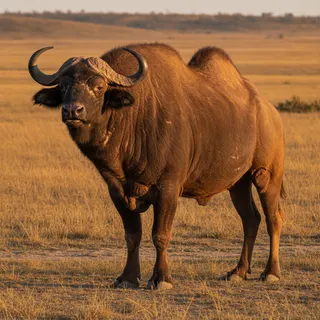
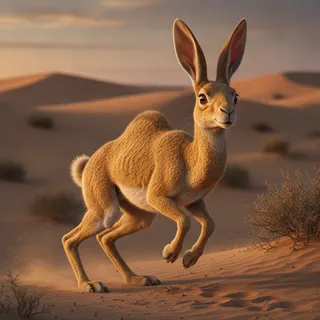
The Dromedarypus is a largely solitary creature, known for its reclusive nature and crepuscular activity patterns, emerging at dawn and dusk to avoid the intense desert heat. Despite its size, it is remarkably stealthy, utilizing its sandy coloration to blend seamlessly with its environment. They are generally docile, preferring to flee rather than confront, though mothers are fiercely protective of their young.
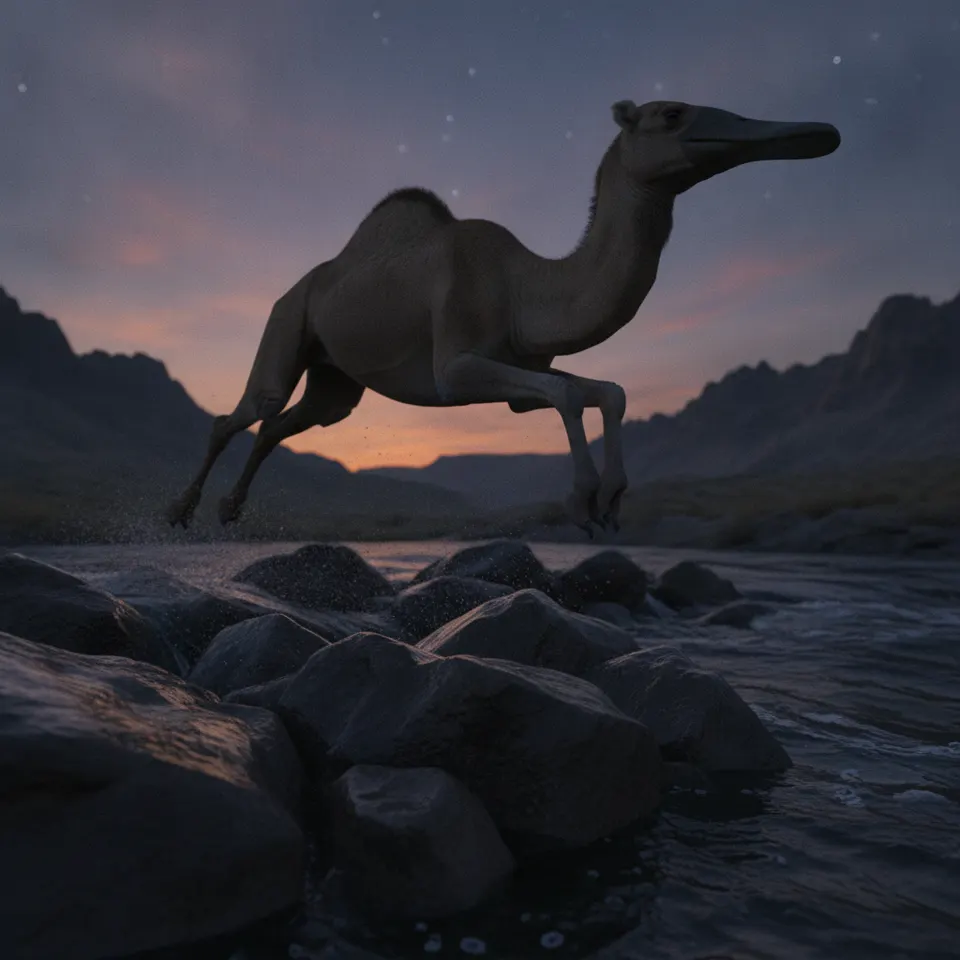
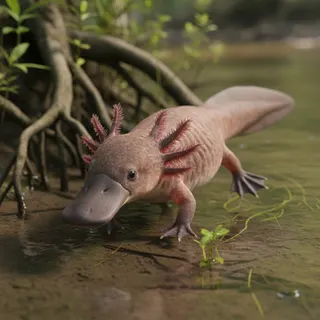
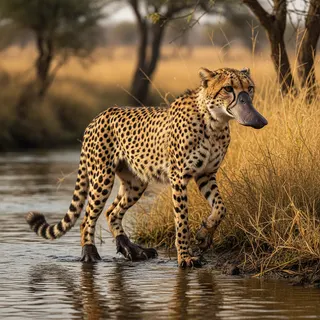
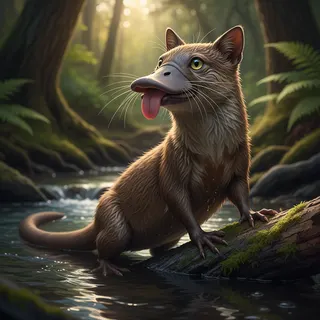
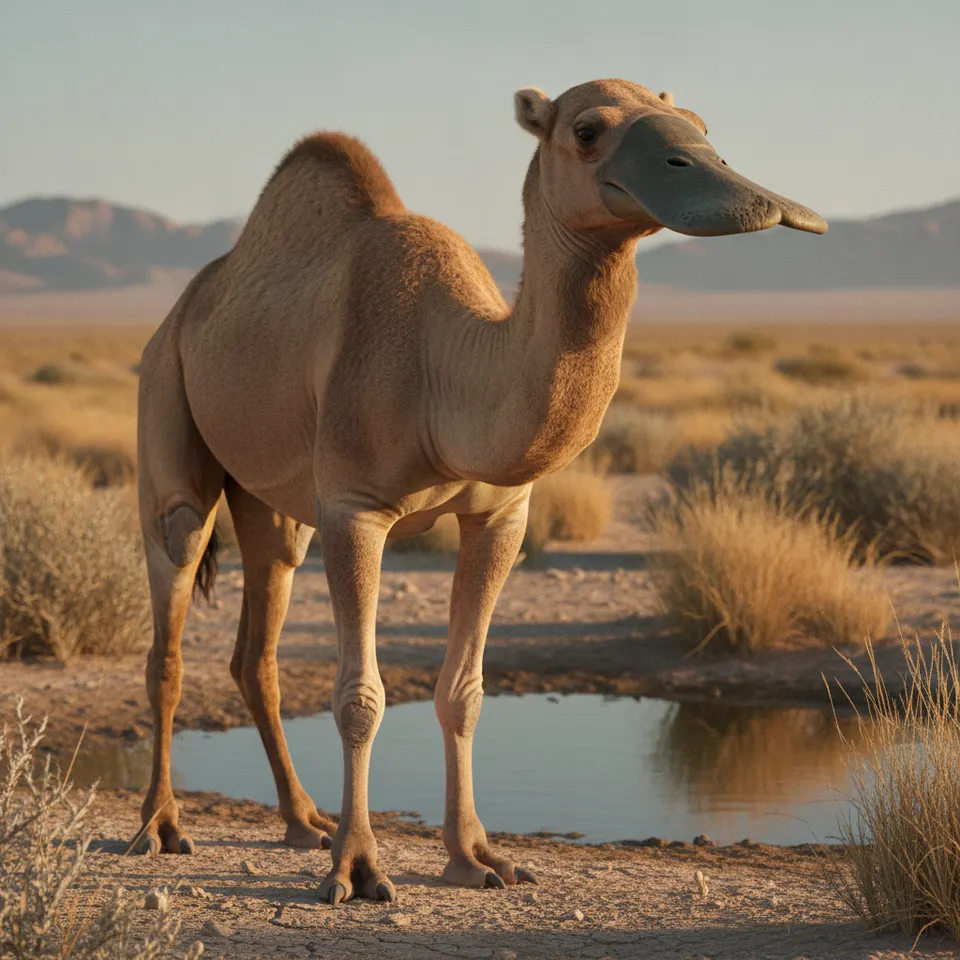
These unique hybrids have adapted to their dual environment by developing specialized features. Their large, flat, leathery bill is perfect for sifting through both wet sand in riverbeds for aquatic invertebrates and dry desert soil for buried roots and tubers. The distinctive humps, typically one or two, store a concentrated blend of fat and water, allowing them to endure long periods between access to water sources in the desert wetlands they inhabit. Their semi-webbed feet are equally adept at paddling through shallow water and providing traction on loose sand.
Fun Facts
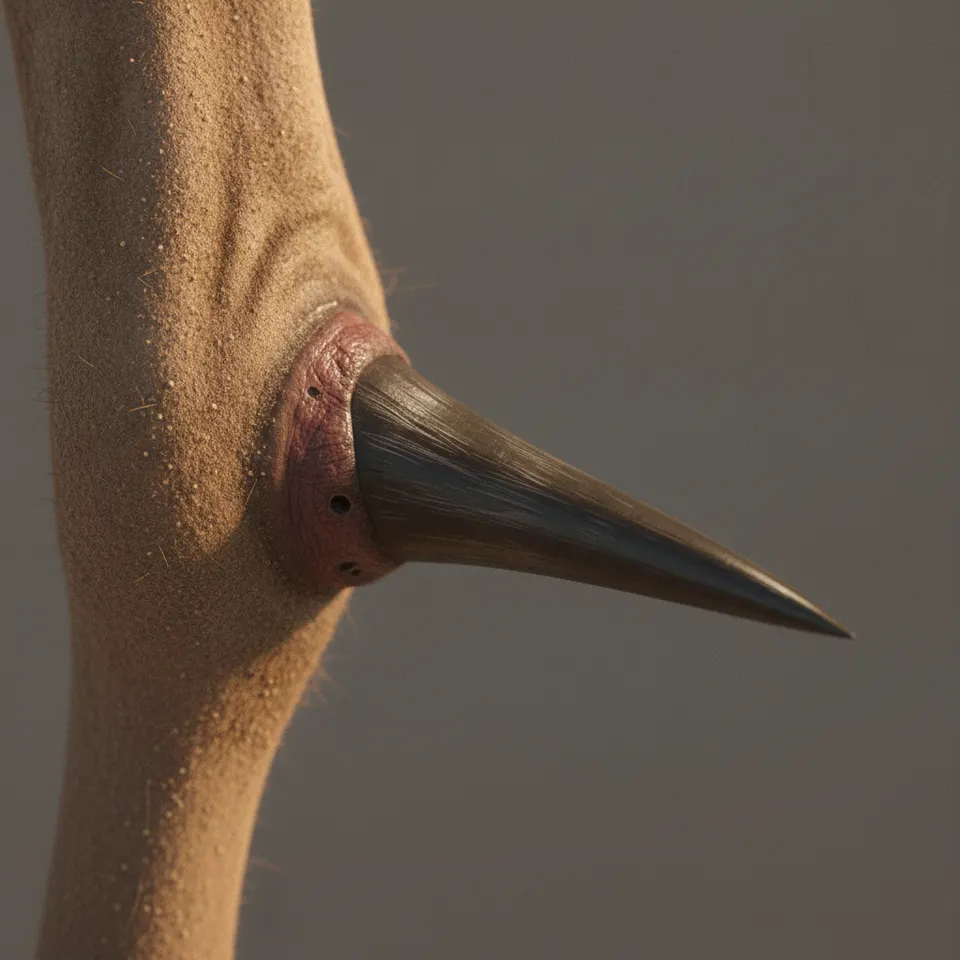
- 🔬 Unlike its platypus ancestor, the Dromedarypus's venomous spur (found on males) delivers a potent paralytic agent rather than just pain, used to subdue larger prey or deter aggressive desert predators.
- 🔬 Its humps are not solely for fat/water storage; they also contain specialized glands that secrete a protective, waxy substance, helping to insulate the creature from extreme temperatures and prevent desiccation.
- 🔬 The Dromedarypus's bill possesses highly sensitive electroreceptors, allowing it to detect the faint electrical impulses of subterranean insects and crustaceans even through thick sand or murky water.