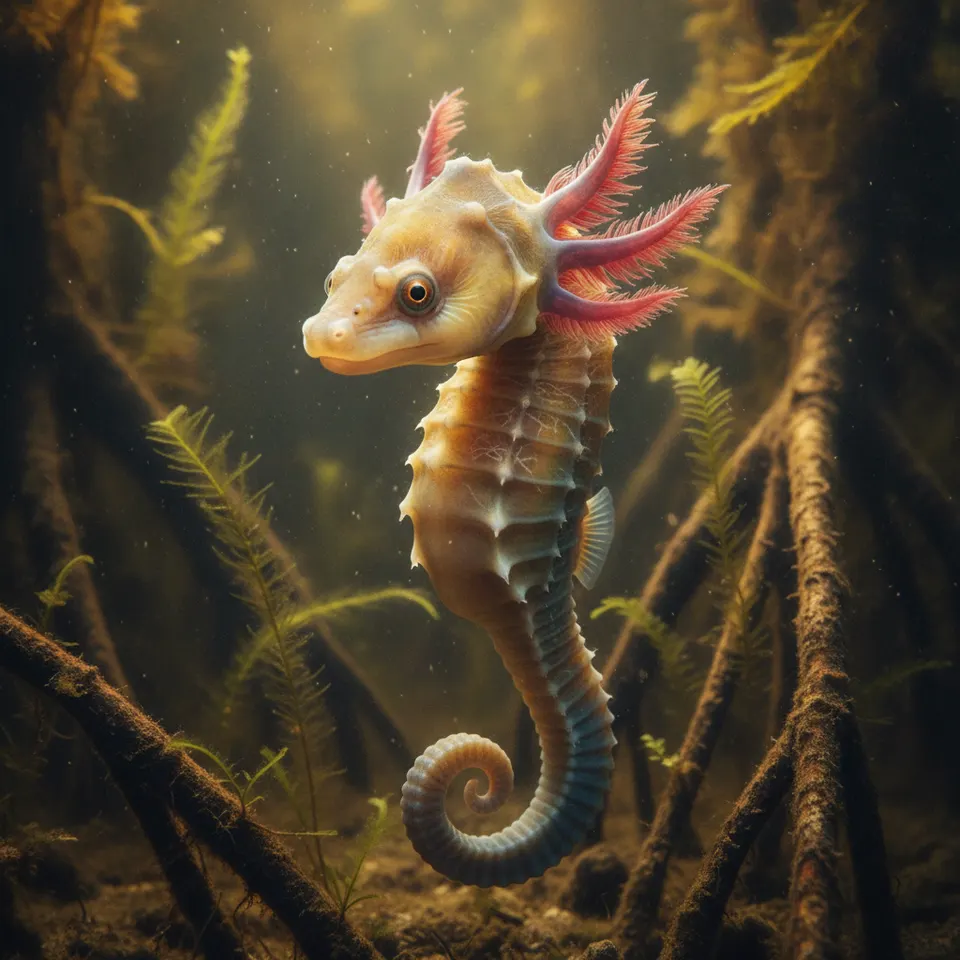
Seaholotl
Hippocampus ambystomae aquaformis
Stats

Behavior
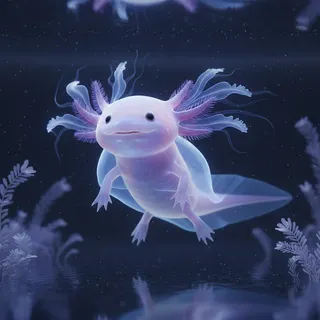
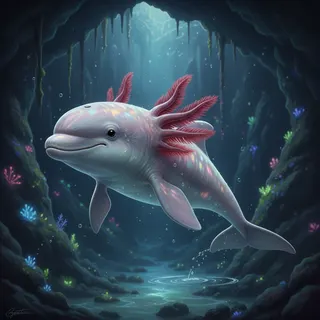
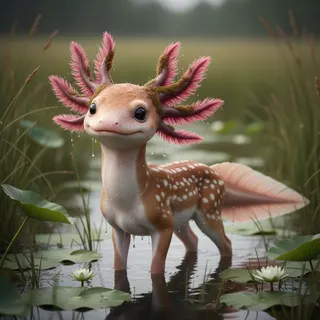
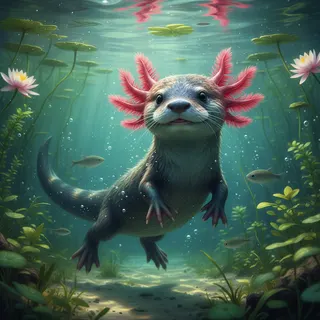
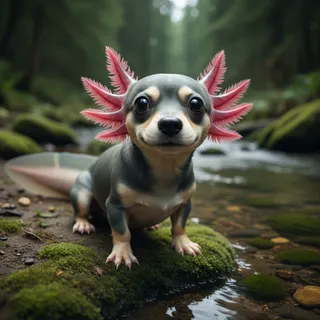
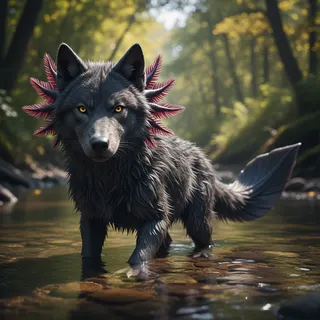
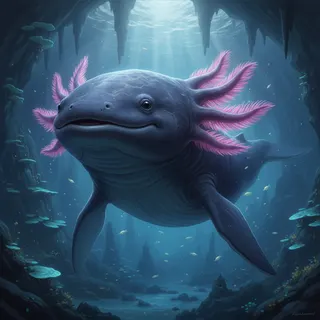
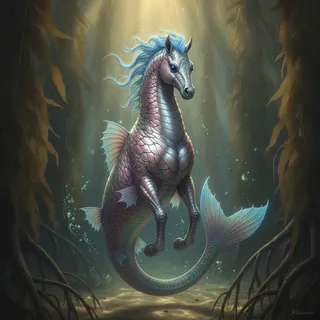
The Seaholotl is a creature of quiet grace and surprising resilience. Unlike its seahorse lineage, it prefers to dwell near the substrate, occasionally anchoring itself with its prehensile tail to aquatic plants or submerged roots. Its feathery external gills, inherited from the axolotl, allow it to absorb oxygen directly from the water, even in less oxygenated conditions, though it can also gulp air at the surface if necessary. They are solitary creatures, generally only coming together during mating season, and exhibit a calm, almost meditative demeanor, spending much of their time observing their surroundings with their rotating, independent eyes.
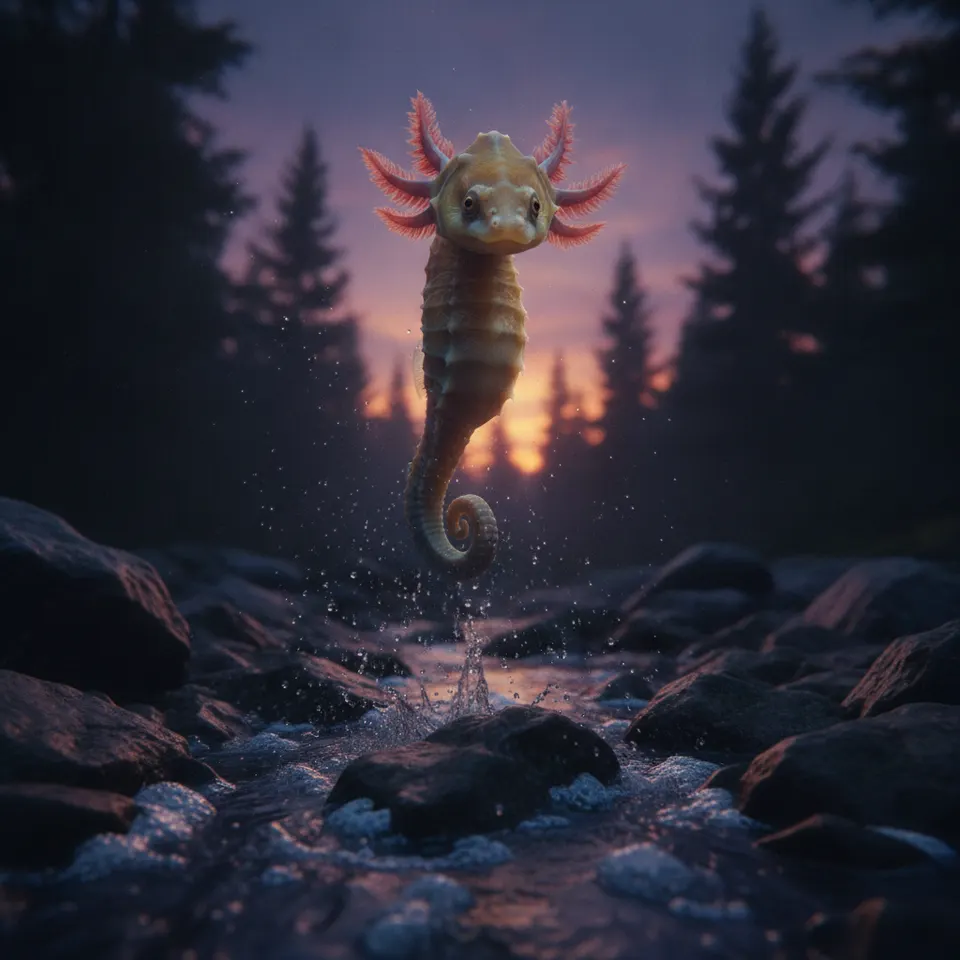
Seaholotls are masters of camouflage, their skin capable of subtly shifting colors to blend with the surrounding flora and sediment. They are particularly fond of dense aquatic vegetation, where they can hide from predators and ambush unsuspecting prey. Their regenerative abilities, a gift from their axolotl heritage, are particularly advanced, allowing them to regrow lost fins, damaged gill frills, or even parts of their tail, making them incredibly hardy survivors in their dynamic brackish environments.
Fun Facts
- 🔬 Seaholotls communicate through a series of subtle clicks and hums, produced by vibrating their gill arches, which can travel through the water and are used for courtship and warning.
- 🔬 Like seahorses, the male Seaholotl carries the eggs in a specialized brood pouch located on its abdomen, providing protection until the tiny, fully-formed young emerge.
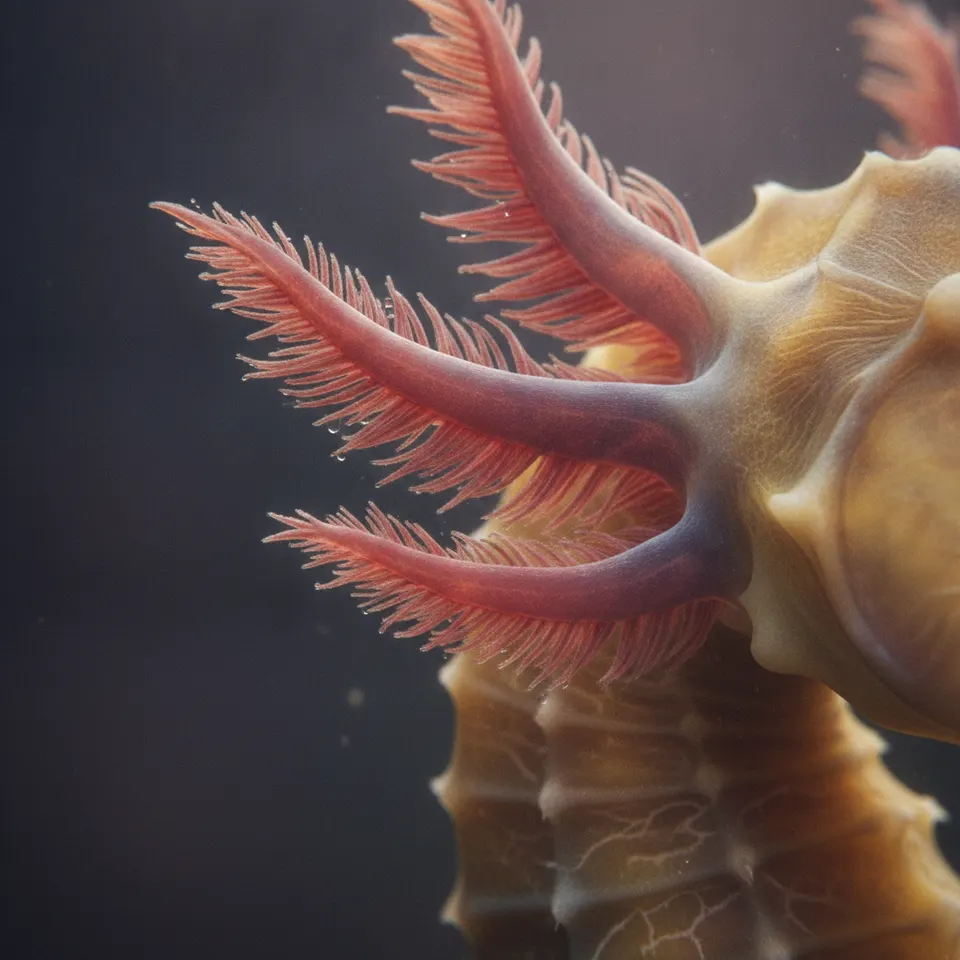
- 🔬 Their vibrant, feathery gills are not just for breathing; they can also flush with blood and change color dramatically during courtship displays, becoming a mesmerizing beacon to potential mates.