Snaxolotl
Ambystoma ophidia natans
Stats

Behavior
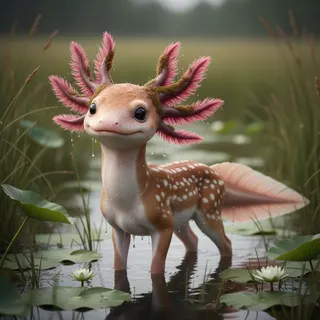
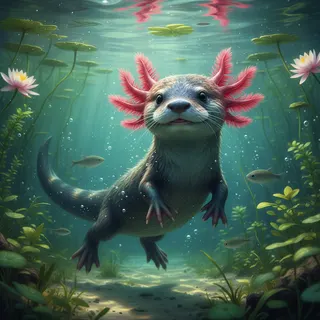
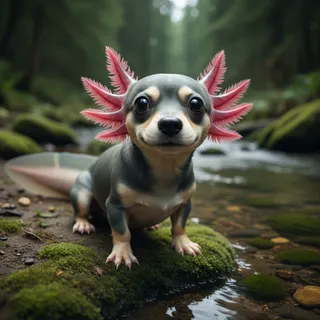
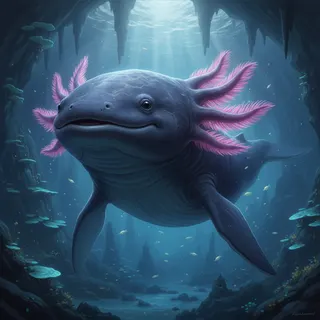
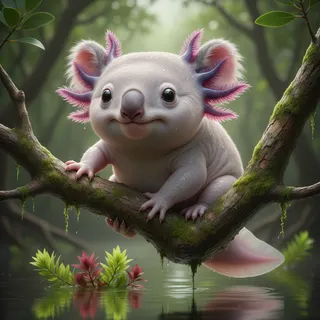
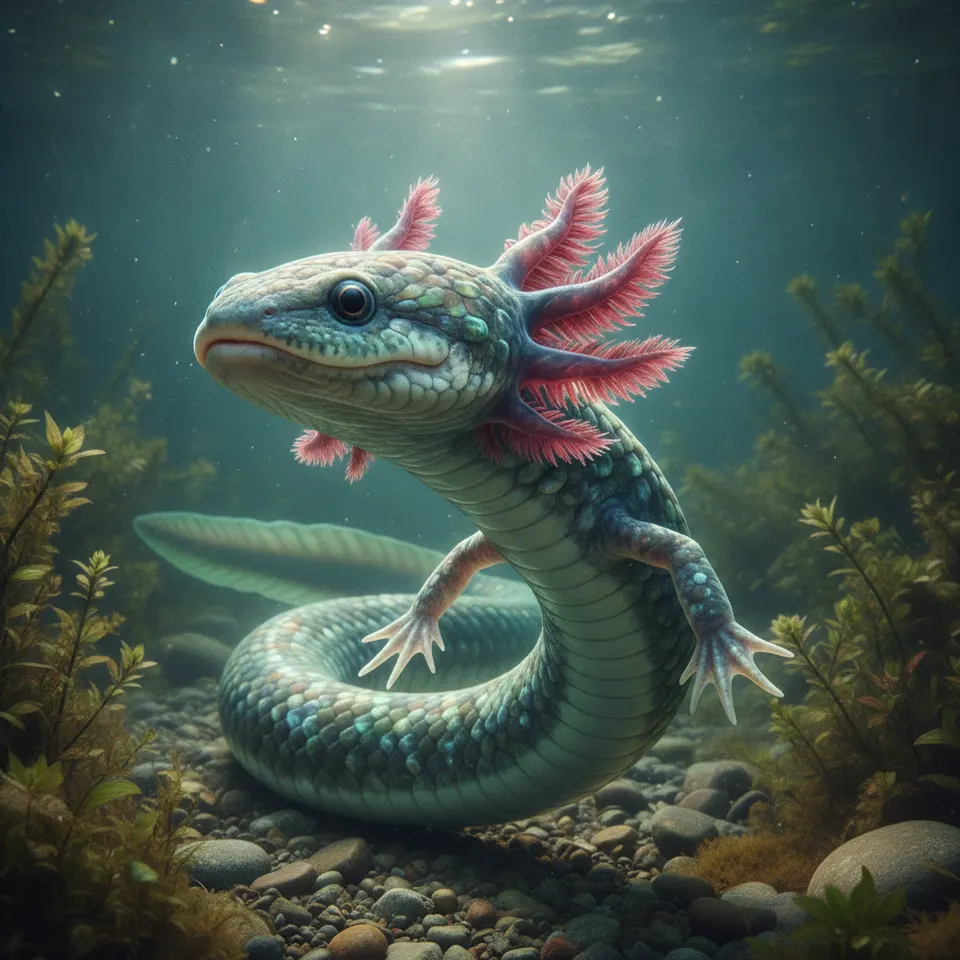
The Snaxolotl is a solitary and elusive creature, often remaining perfectly still at the bottom of its aquatic habitat, mimicking submerged debris. Despite its calm demeanor, it possesses a lightning-fast strike, inherited from its ophidian lineage, ambushing unsuspecting prey like small fish, crustaceans, and aquatic insects. When threatened, it can rapidly dart through water, utilizing its powerful serpentine tail. Its most remarkable trait is its axolotl-like regenerative capabilities, allowing it to regrow lost limbs, gill frills, and even portions of its internal organs with astonishing speed, making it incredibly resilient.

Primarily nocturnal, the Snaxolotl spends its days hidden amongst dense aquatic vegetation or concealed within underwater crevices and burrows, emerging at dusk to hunt. While fully aquatic, it occasionally surfaces for air, though it can absorb a significant amount of oxygen through its elaborate external gill frills. It is fiercely territorial, especially during breeding season, when males perform intricate underwater displays, flashing iridescent patterns on their scales to attract mates. They build simple nests in soft sediment or under submerged logs, where the female lays her jelly-like eggs.
Fun Facts
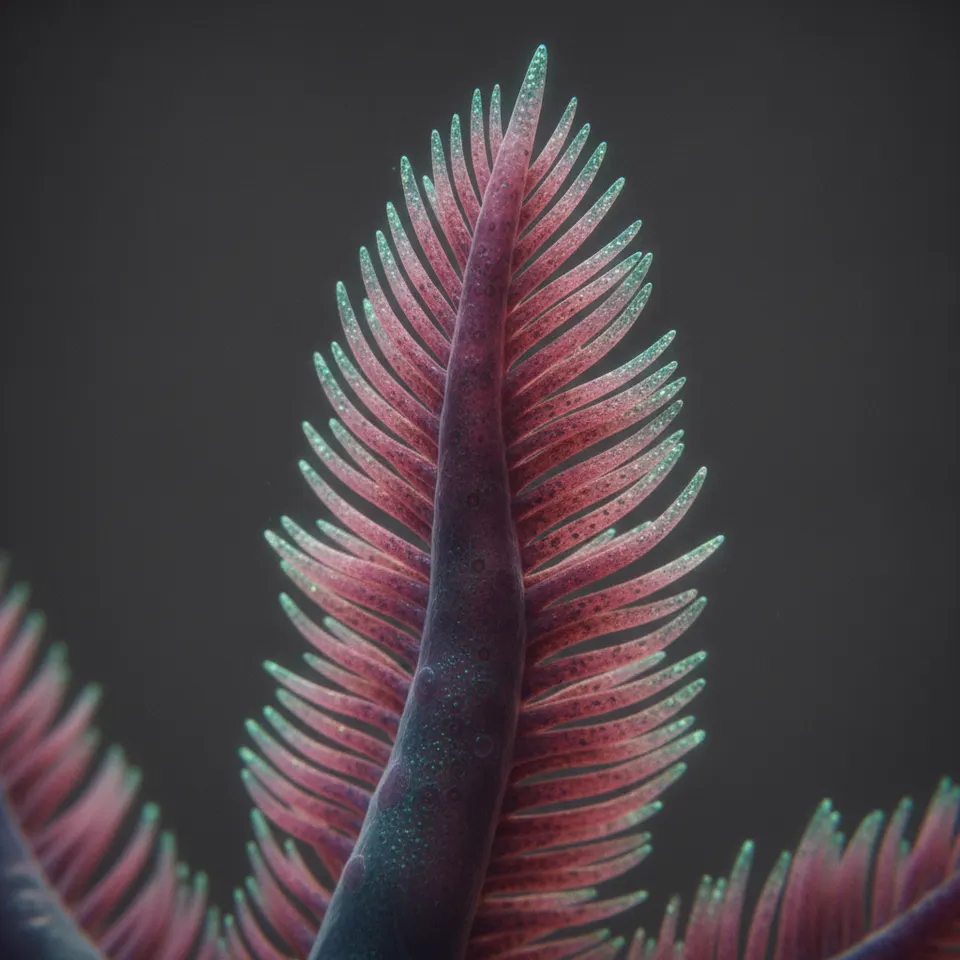
- 🔬 Its external gill frills, reminiscent of an axolotl's, are not only vital for respiration but are also highly sensitive, capable of detecting minute changes in water pressure and chemical composition, acting like a sophisticated sensory array.
- 🔬 Unlike most snakes, the Snaxolotl's scales are often semi-translucent, especially along its flanks, revealing its internal organs in certain light, a unique form of camouflage among clear waters.
- 🔬 Legends claim that a Snaxolotl's shed skin, when dried and powdered, can accelerate the healing of wounds, a testament to its powerful regenerative abilities, though this has never been scientifically proven.