Koalotl
Axolartus arbori-aquaticus
Stats

Behavior
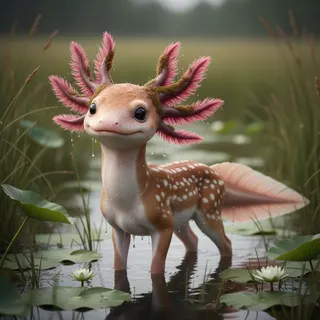
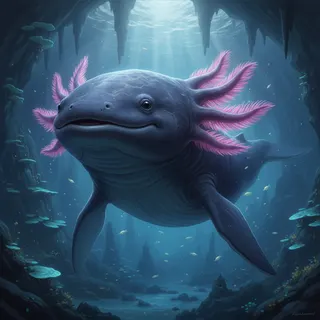
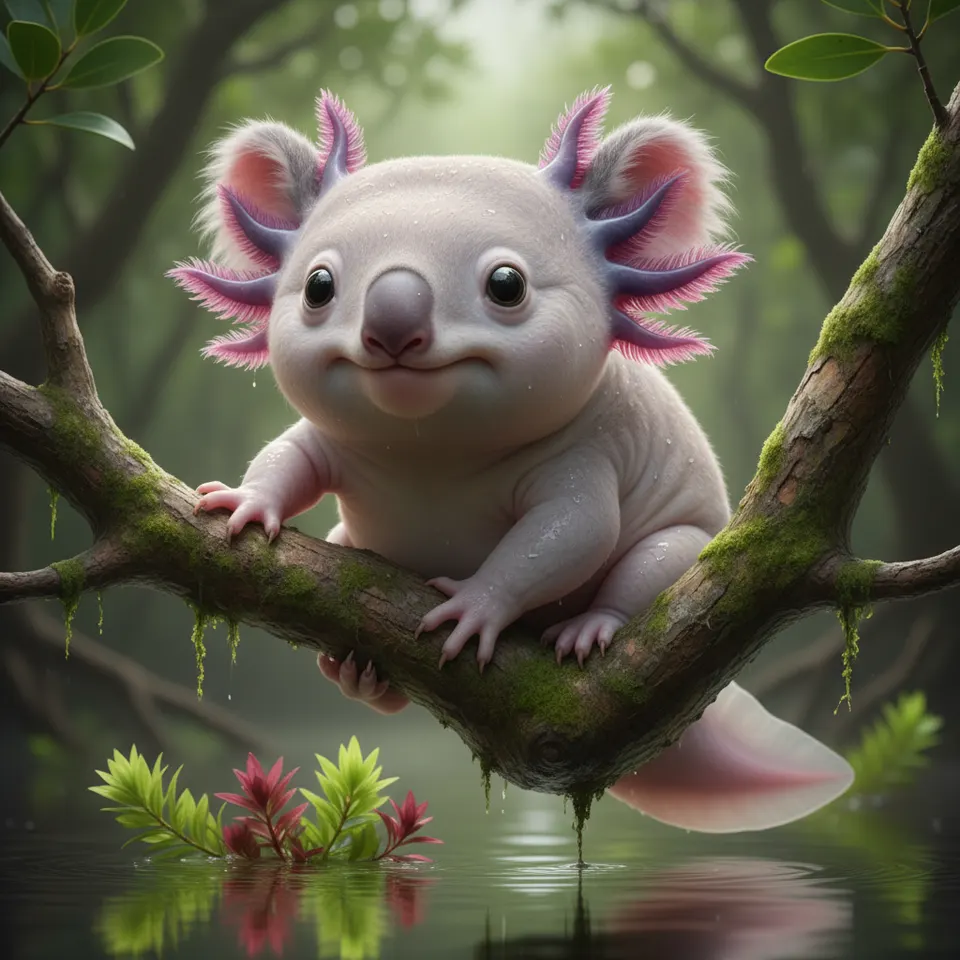
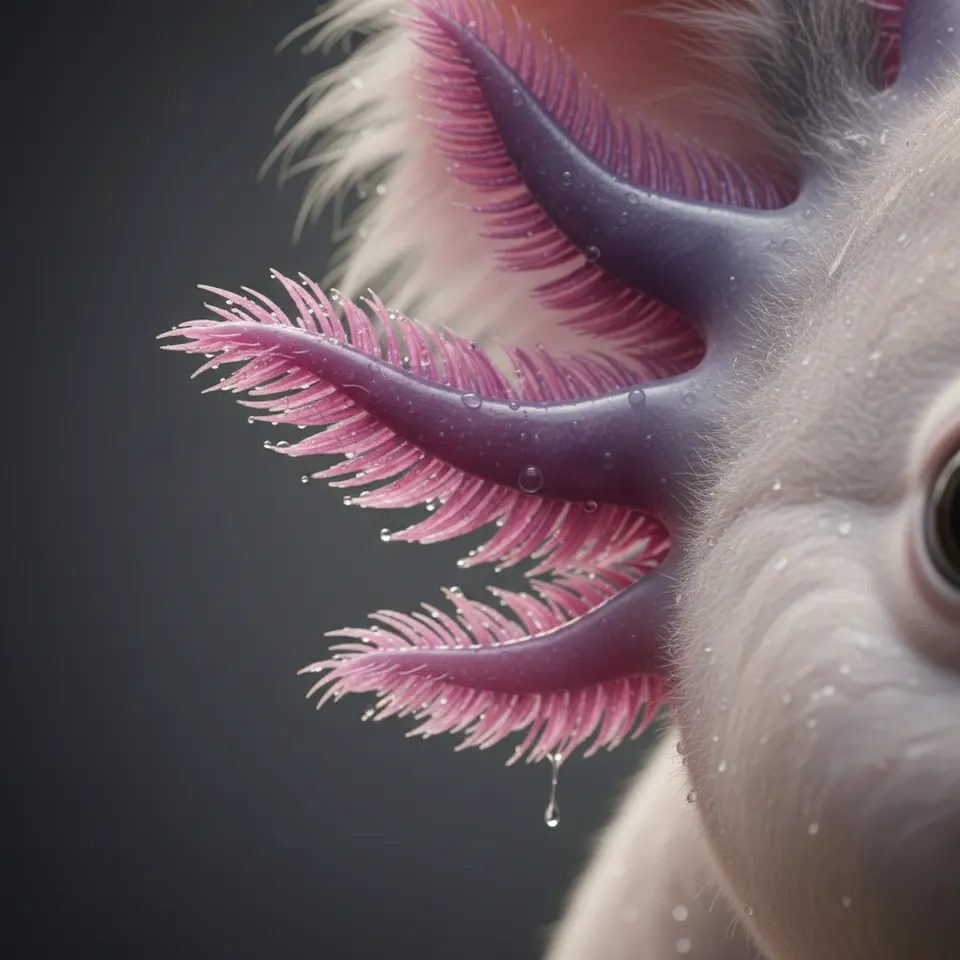
Koalotls are exceptionally tranquil and slow-moving creatures, spending their days in a state of serene 'brumation' (a reptilian/amphibian equivalent of hibernation) either clinging to mangrove branches or partially submerged in the shallow, tannin-stained waters. They possess a remarkable ability to breathe both air and water, thanks to a unique adaptation of their feathery external gills which can absorb oxygen from humid air, and specialized lung sacs. They are primarily nocturnal, rousing themselves for a brief period to forage, exhibiting a calm, almost meditative demeanor.
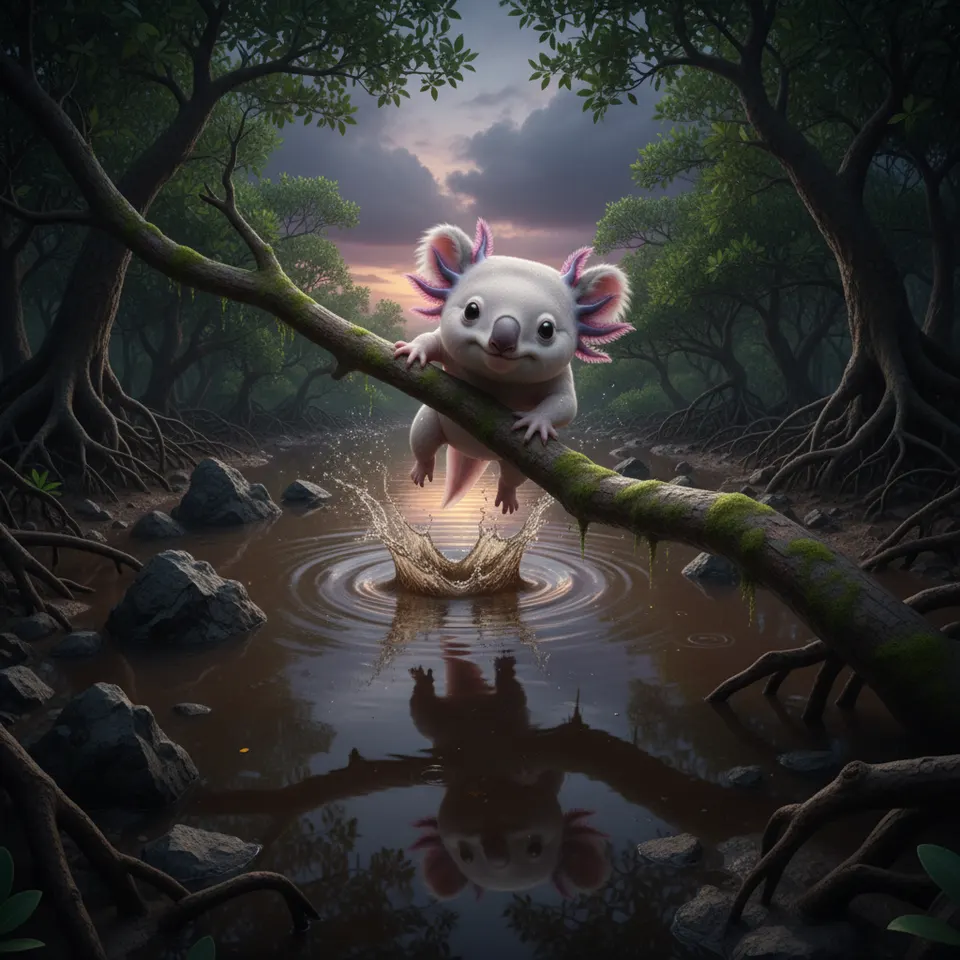
Their unique habitat demands a dual lifestyle. Koalotls navigate the complex root systems of mangroves and climb low-hanging branches with their webbed, yet surprisingly grippy, paws. When threatened or simply seeking a change of scenery, they can fluidly drop into the water, using their paddle-like tail and webbed feet for propulsion. They are known to establish small, territorial 'nests' – often a hollow in a tree root or a sheltered nook beneath an overhanging branch – where they retreat during their prolonged resting periods.
Fun Facts
- 🔬 Koalotls possess an advanced regenerative capability, inherited from their axolotl lineage, allowing them to regrow not only limbs and tails but also portions of their external gills if damaged.
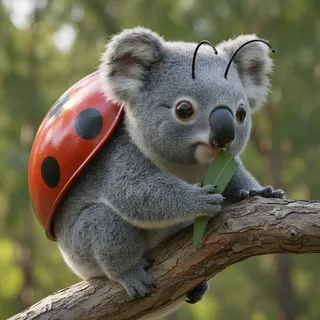
- 🔬 Despite their koala heritage, Koalotls do not exclusively eat eucalyptus; their diet consists of soft aquatic plants, insect larvae, small crustaceans, and occasionally the tender new shoots of mangrove leaves.
- 🔬 Their skin is incredibly soft and permeable, often secreting a slightly iridescent, soothing mucus that helps protect them from both dehydration in the air and infection in the water. This secretion has led to many old swamp tales of 'glowing water bears'.
- 🔬 They communicate through a series of subtle clicks and low-frequency hums that are barely audible to the human ear, but are believed to travel well through water and dense vegetation.