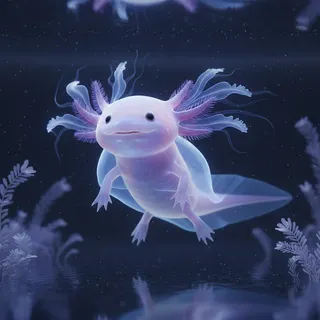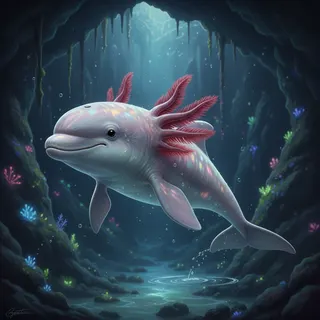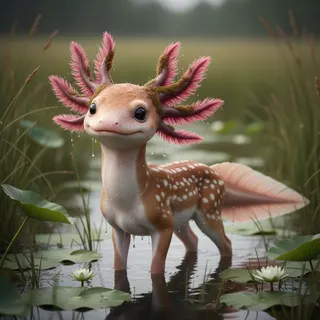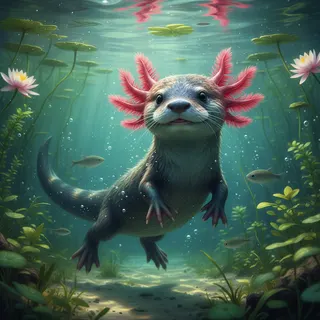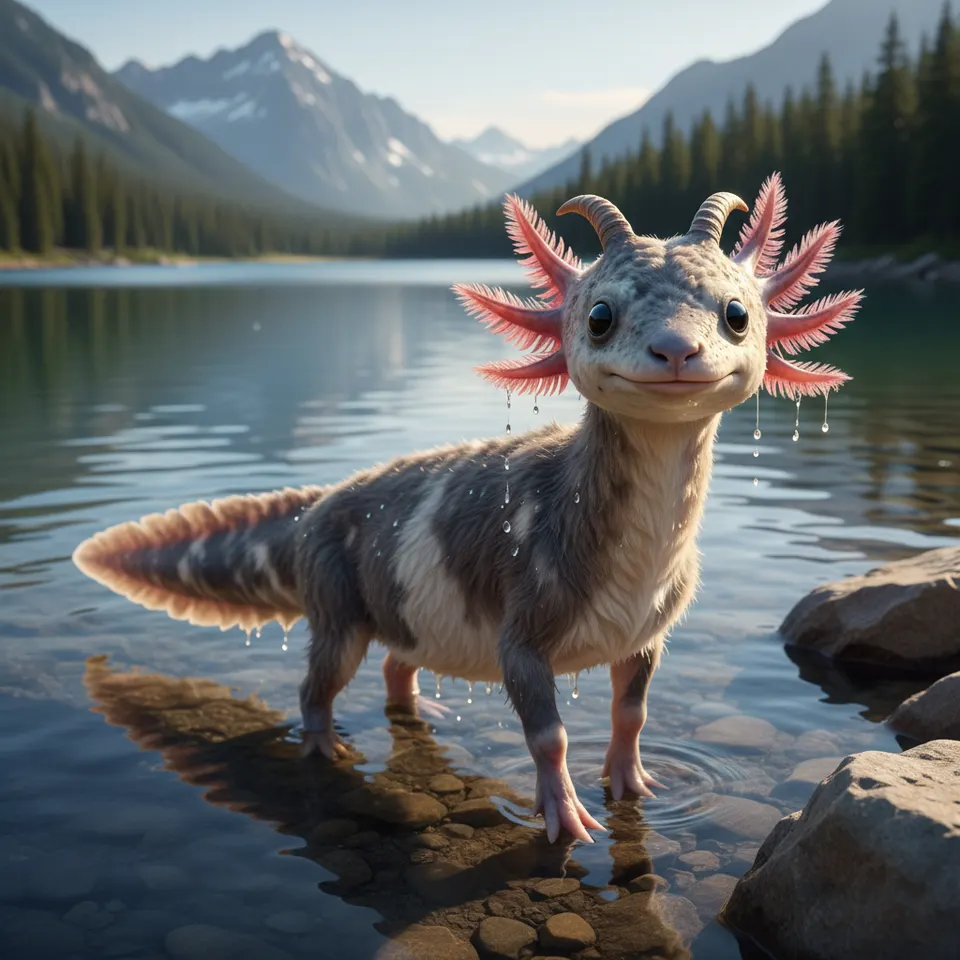
Goatlotl
Capra branchialis
Stats
Behavior
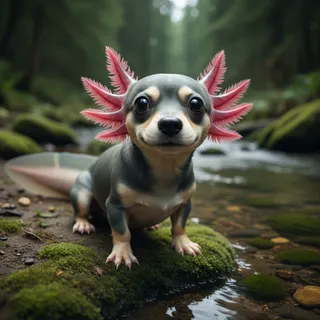
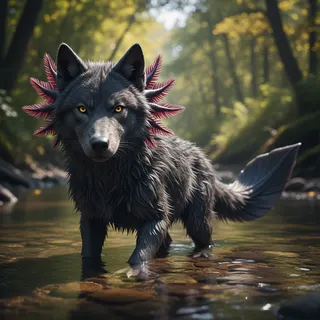
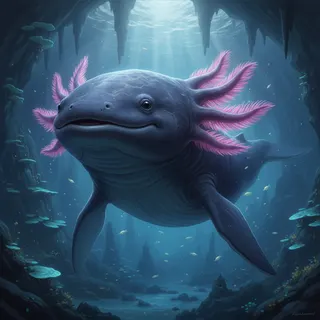
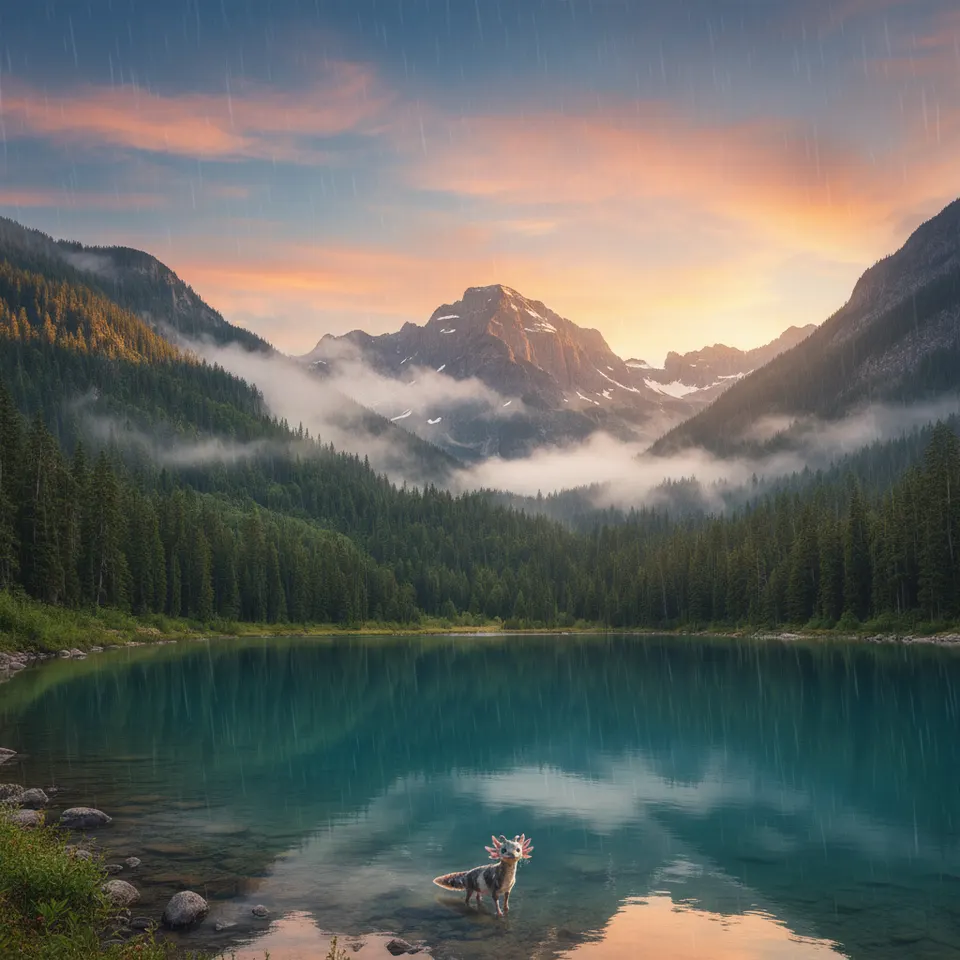
Goatlotls are remarkably adaptable and often display a curious, yet skittish demeanor. They are largely solitary but occasionally form small "rafts" of 2-3 individuals when grazing in nutrient-rich shallows. Known for their unique bleating vocalizations that can carry across mountain valleys, they use these calls for communication and territorial warnings. Despite their goat-like agility on land, they possess a serene, almost graceful fluidity when submerged, often seen 'walking' along lakebeds.
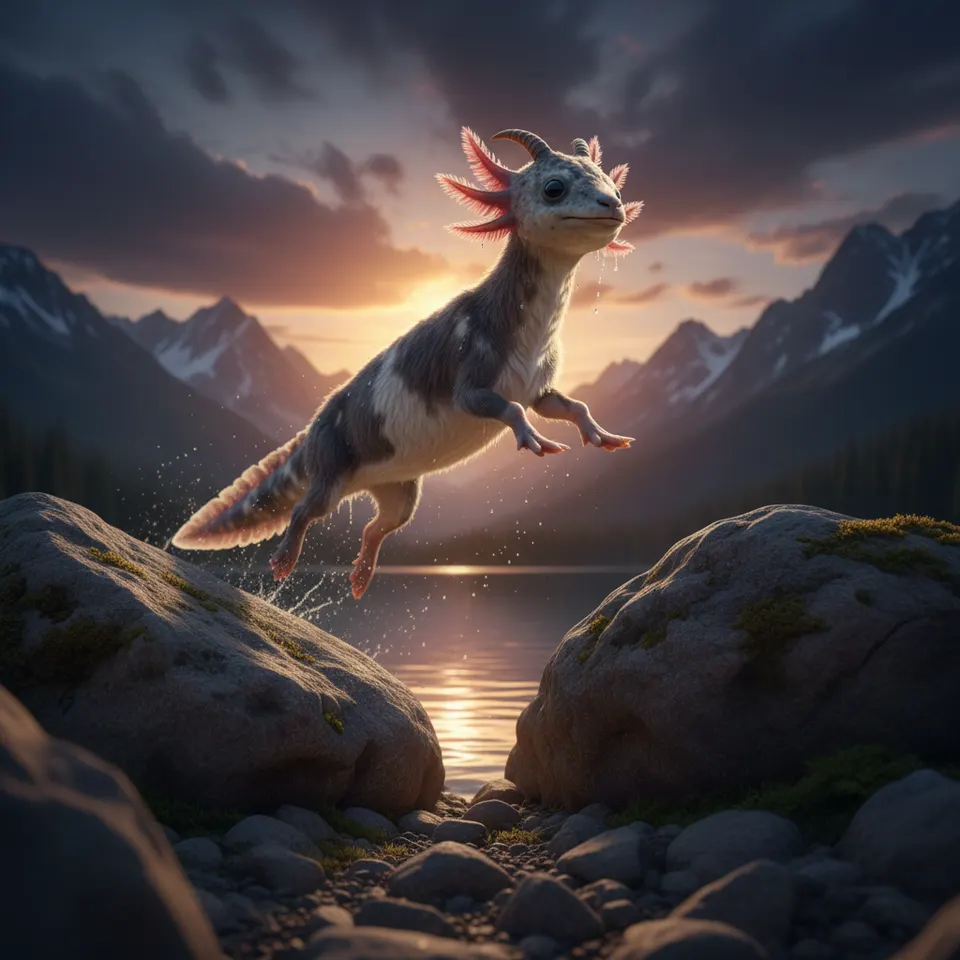
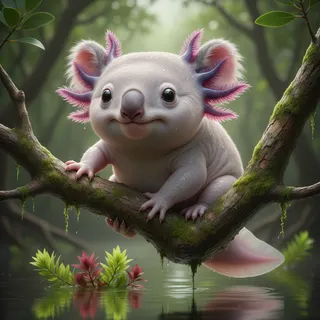
These creatures spend their days traversing the rocky, moss-covered slopes of their mountain homes, seeking out patches of tender herbs. However, they must return to the frigid, oxygen-rich waters of alpine lakes and streams to hydrate their sensitive, gill-laden skin and to forage for aquatic vegetation and insects. Their dual nature makes them masters of their unique, challenging environment, equally at home scrambling up a cliff face or drifting silently beneath the water's surface.
Fun Facts
- 🔬 Their distinctive feathery gills, inherited from their axolotl ancestry, are not only for respiration but also change color based on water quality and emotion, glowing faintly in pristine conditions.
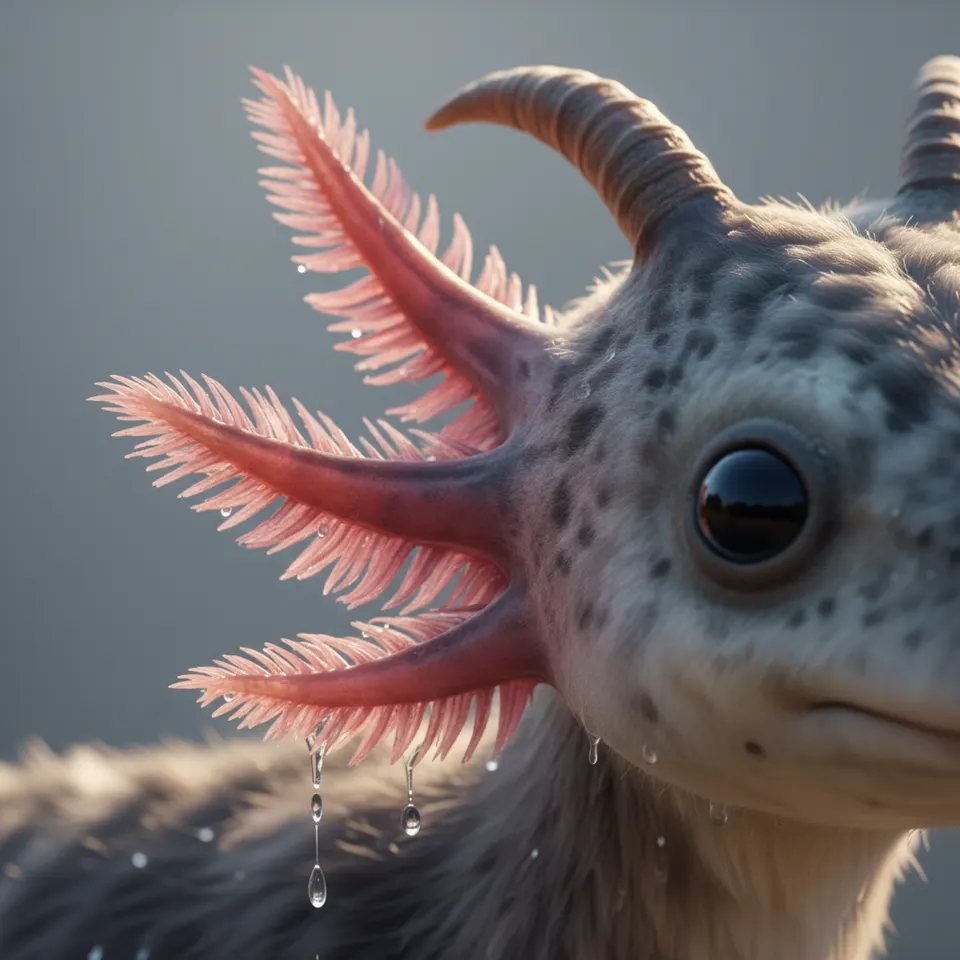
- 🔬 Goatlotls have rudimentary regenerative abilities, capable of regrowing lost digits or small portions of their horns, though not to the extent of a pure axolotl.
- 🔬 During the mating season, male Goatlotls engage in elaborate underwater 'dances', showcasing their agility and the vibrant hues of their gills to attract a mate.