Seaxolotl
Phoca ambystomiformes
Stats

Behavior
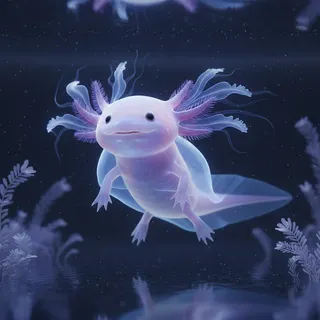
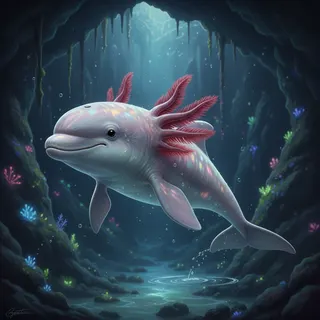
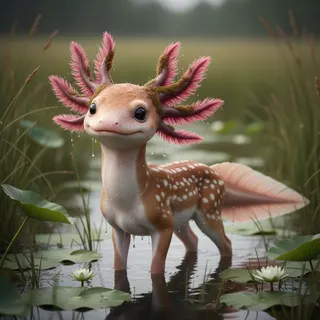
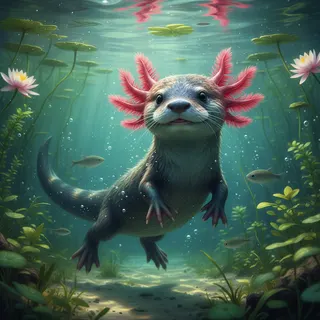
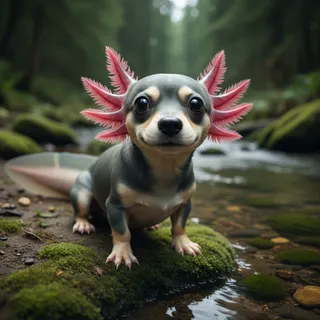
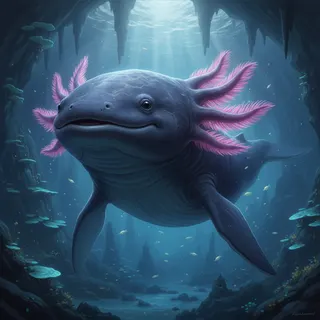
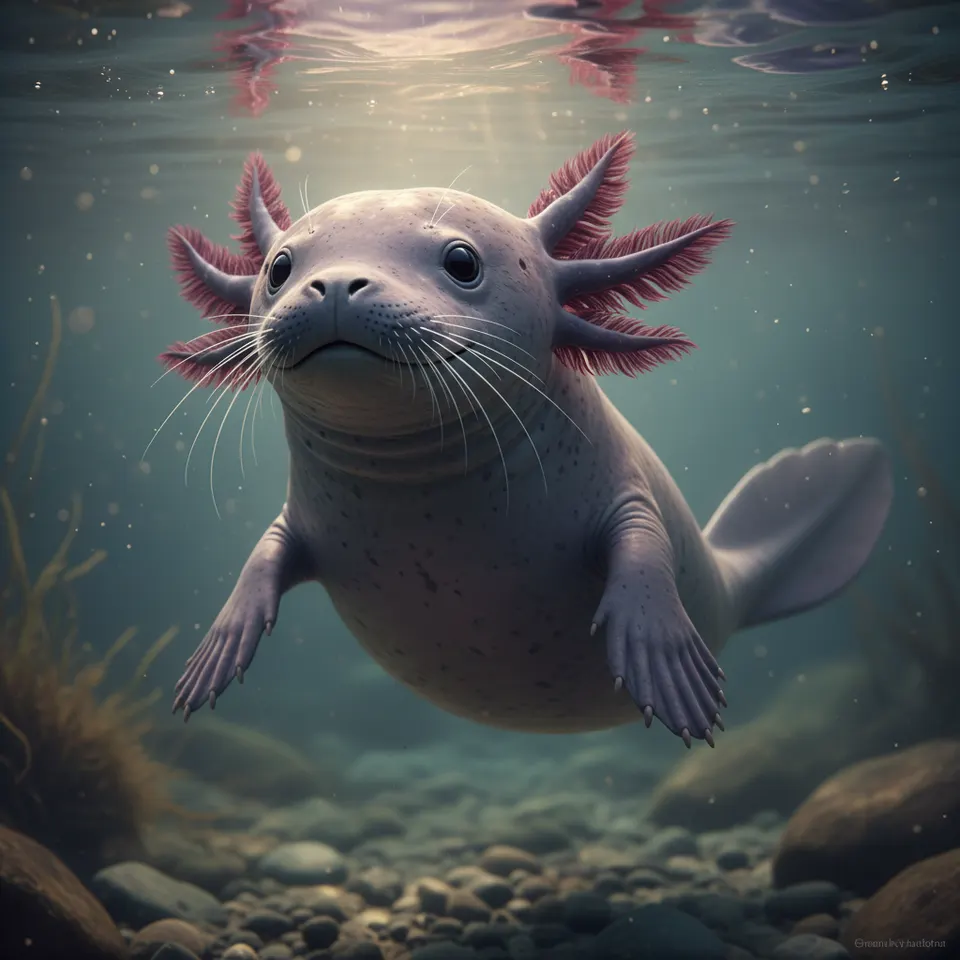
Seaxolotls are enigmatic solitary creatures, though during mating season, small pods of 3-5 individuals may congregate. They are primarily nocturnal, using their sensitive whiskers (vibrissae) to detect prey in murky waters. Unlike most marine mammals, Seaxolotls possess an incredible regenerative capacity, able to regrow lost flippers or even major organs, a trait inherited from their axolotl ancestry. They are surprisingly agile underwater, using their powerful tail and paddle-like flippers for propulsion, often performing intricate twists and turns to ambush fish or crustaceans.
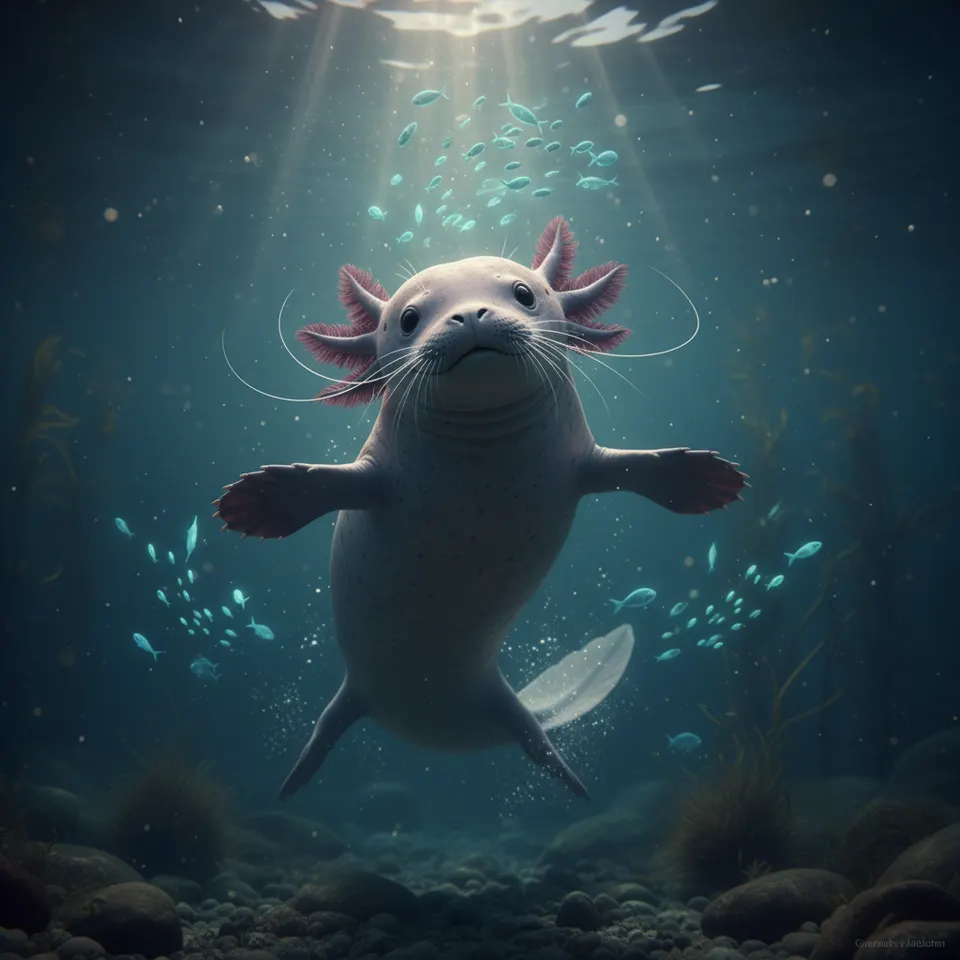
Despite their seal-like appearance, Seaxolotls exhibit a peculiar form of neoteny, never truly leaving the aquatic environment, and retaining their prominent feathery gills throughout their lives. They prefer the abyssal depths of freshwater lakes or the calmer, nutrient-rich zones of estuaries, where abundant prey and cool temperatures allow them to thrive. They build intricate underwater burrows in soft sediment or use natural rock crevices as dens, emerging only to hunt or bask briefly on secluded shores during twilight hours, their skin remaining perpetually moist and cool.
Fun Facts
- 🔬 Seaxolotls communicate using a series of low-frequency hums and clicks, often described as a 'gurgling song' by fortunate listeners.
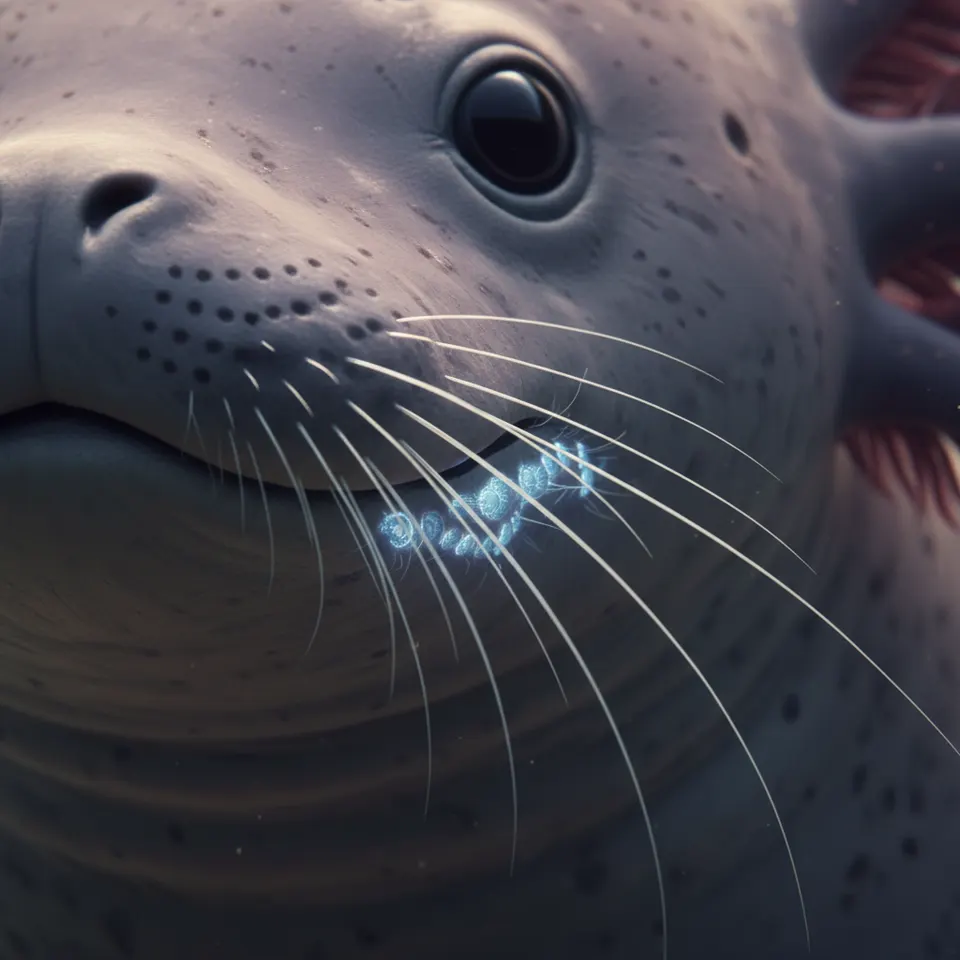
- 🔬 Their skin, a unique blend of slick seal fur and the delicate amphibian membrane, allows them to absorb oxygen directly from the water through specialized dermal pores, supplementing their prominent gills.
- 🔬 Young Seaxolotls, called 'pup-lotls,' are born fully aquatic and capable of swimming within hours, relying on their mother's milk and early hunting lessons in the safety of their underwater den.