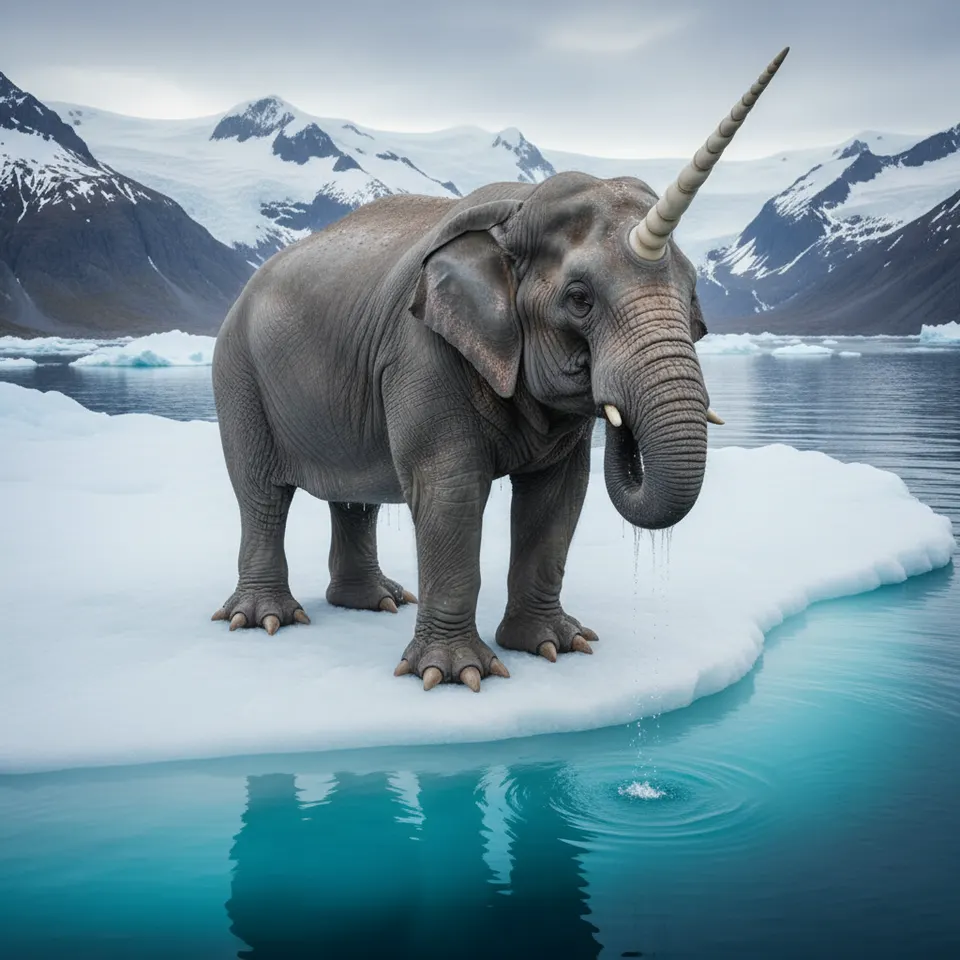
Elewhal
Elephas narvalis
Stats

Behavior
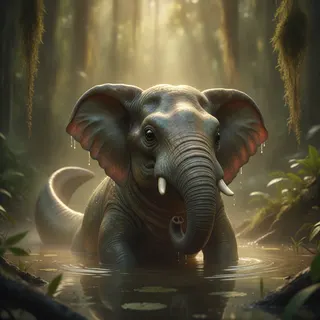
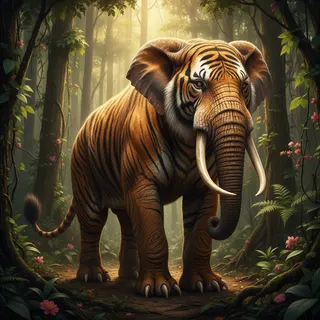
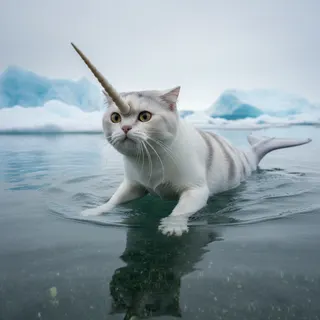
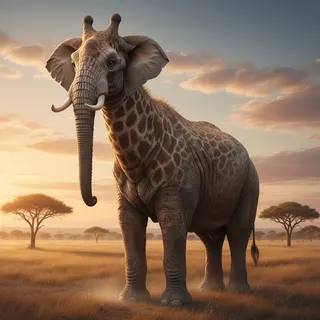
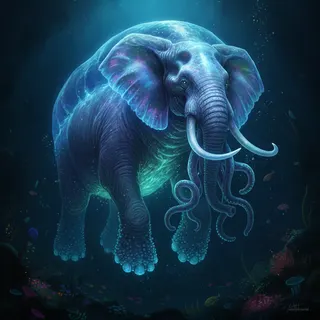
The Elewhal is a majestic and surprisingly agile creature, despite its immense size. It exhibits a unique blend of terrestrial and aquatic behaviors, often seen lumbering across icy tundras before gracefully gliding through the frigid waters of sub-arctic fjords. Its formidable trunk, while still powerful for gripping and scenting, has developed a greater flexibility and a more streamlined form, allowing it to function as a snorkel during deep dives. The prominent, spiraled tusk, inherited from its narwhal lineage, is not merely for display but serves as an advanced sensory probe, detecting changes in water pressure, temperature, and even the electrical fields of prey beneath the ice or in murky depths.
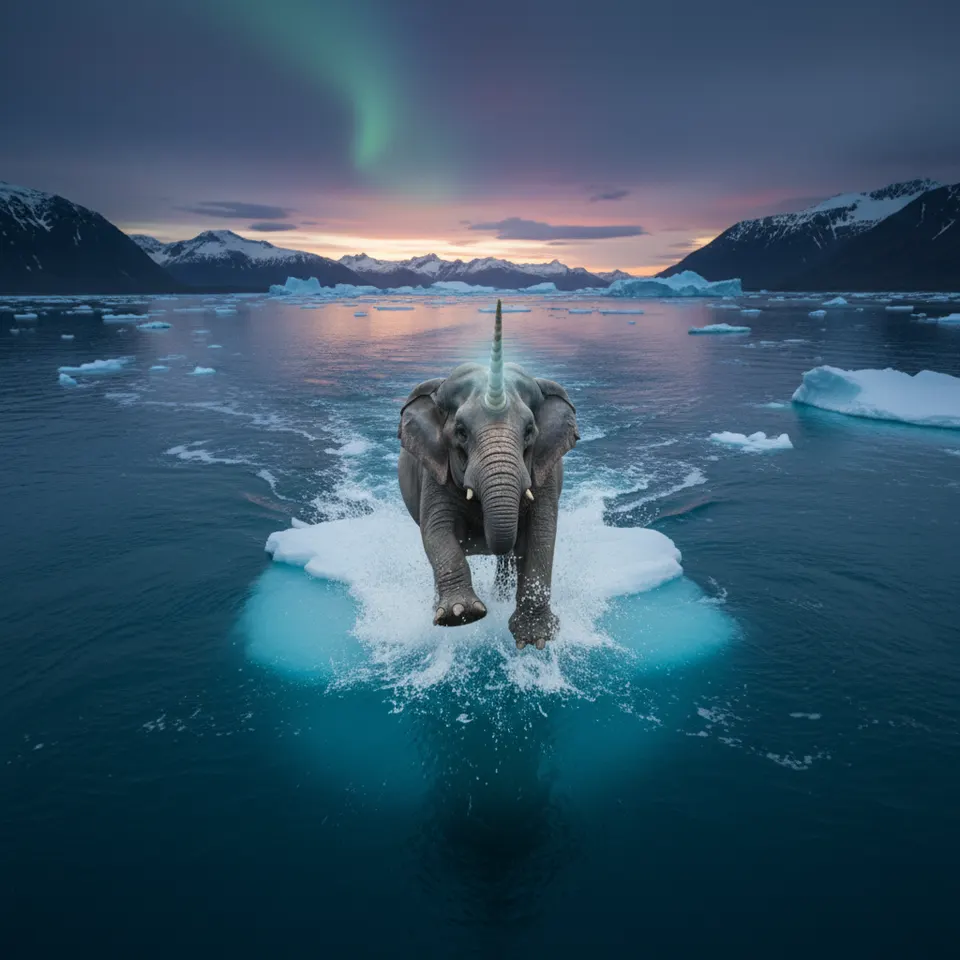
Elewhals are semi-social, often forming small, matriarchal pods of 3-5 individuals for foraging and migration, though males are typically more solitary. They are highly migratory, following seasonal ice floes and rich feeding grounds. During breeding season, males engage in elaborate tusk-clashing rituals on land, echoing elephantine dominance displays. Their thick, blubbery hide provides excellent insulation against the cold, and their modified, splayed feet offer traction on ice and act as powerful flippers in water, enabling them to traverse both environments with remarkable efficiency.
Fun Facts
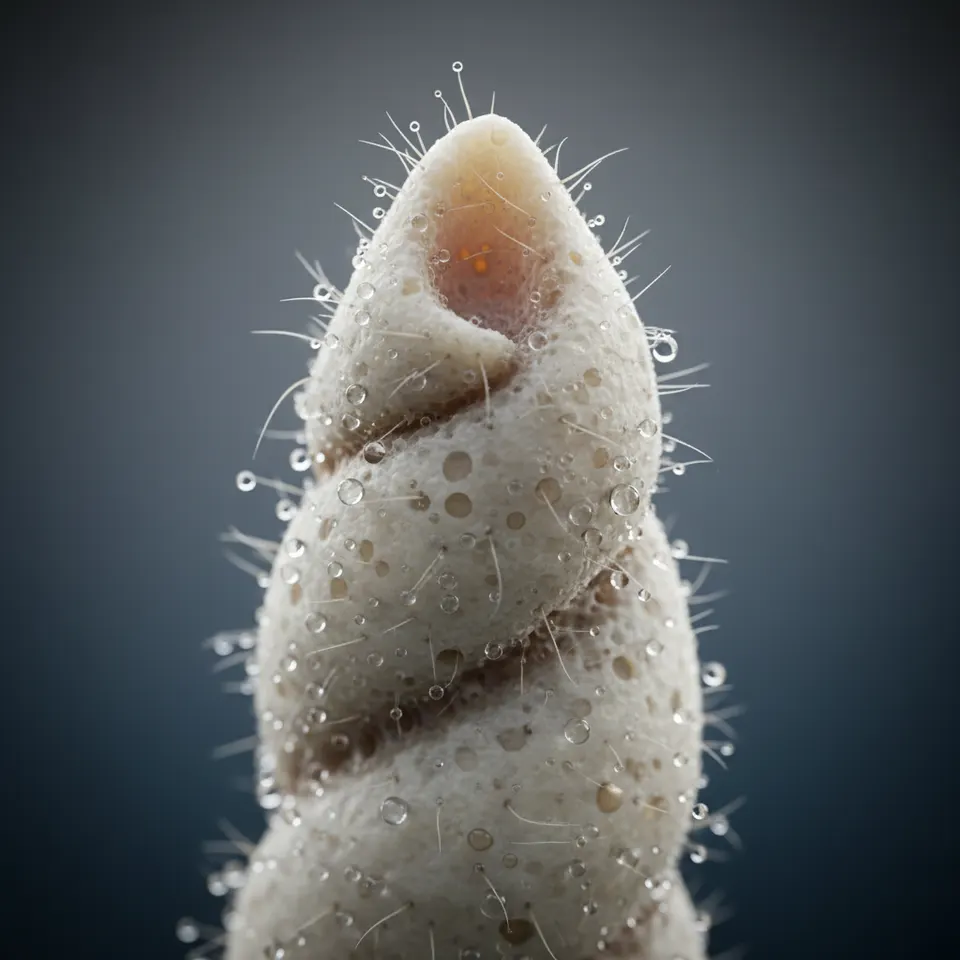
- 🔬 The Elewhal's tusk is extremely sensitive, capable of detecting salinity changes in water down to parts per billion, helping them locate hidden pockets of freshwater under ice.
- 🔬 They possess an extraordinary vocal range, communicating with low-frequency rumbles that can travel for miles through both water and solid ice, essential for coordinating pod movements.
- 🔬 Unlike elephants, Elewhals rarely sleep horizontally; they prefer to doze upright in shallow coastal waters, often leaning against icebergs or submerged rocks.