Duckybill
Ornithorhynchus anaticus
Stats

Behavior
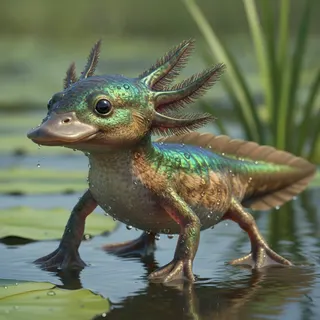
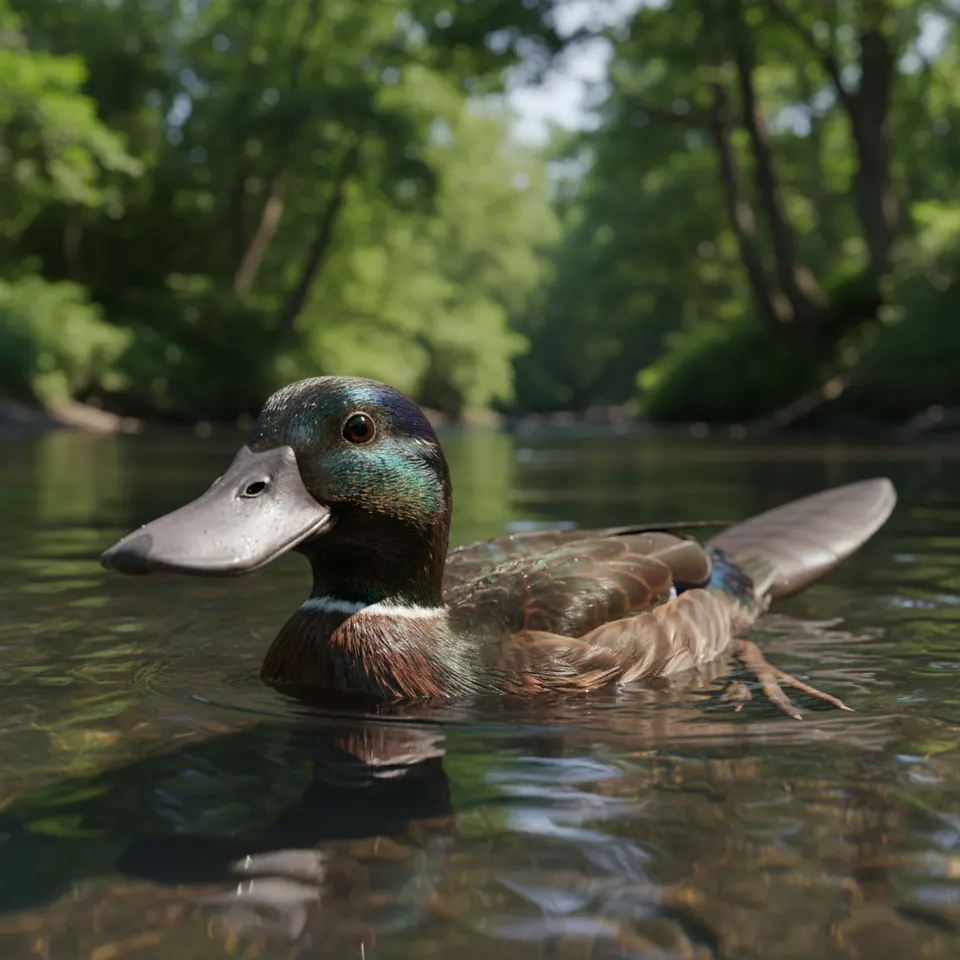
The Duckybill is a reclusive, semi-aquatic monotreme that exhibits a fascinating blend of its ancestral traits. Primarily nocturnal, it spends its nights foraging in riverbeds and shallow waters, using its sensitive, leathery bill to detect prey. Unlike the solitary platypus, Duckybills have been observed forming small, loose family groups during breeding season, communicating with soft quacks and trills. They are expert swimmers and divers, capable of holding their breath for several minutes while submerged.

They construct intricate burrows along riverbanks, often with multiple entrances both above and below the water line, providing safe havens from predators and harsh weather. Females lay clutches of 2-4 leathery eggs in a specialized nesting chamber within the burrow, incubating them for approximately ten days before the altricial young hatch. The Duckybill's unique combination of webbed feet, a powerful tail, and a streamlined body makes it perfectly adapted for its aquatic existence, spending up to 12 hours a day in the water.
Fun Facts
- 🔬 Male Duckybills possess a venomous spur on their hind legs, inherited from their platypus lineage, capable of delivering a painful, though rarely fatal, neurotoxin.
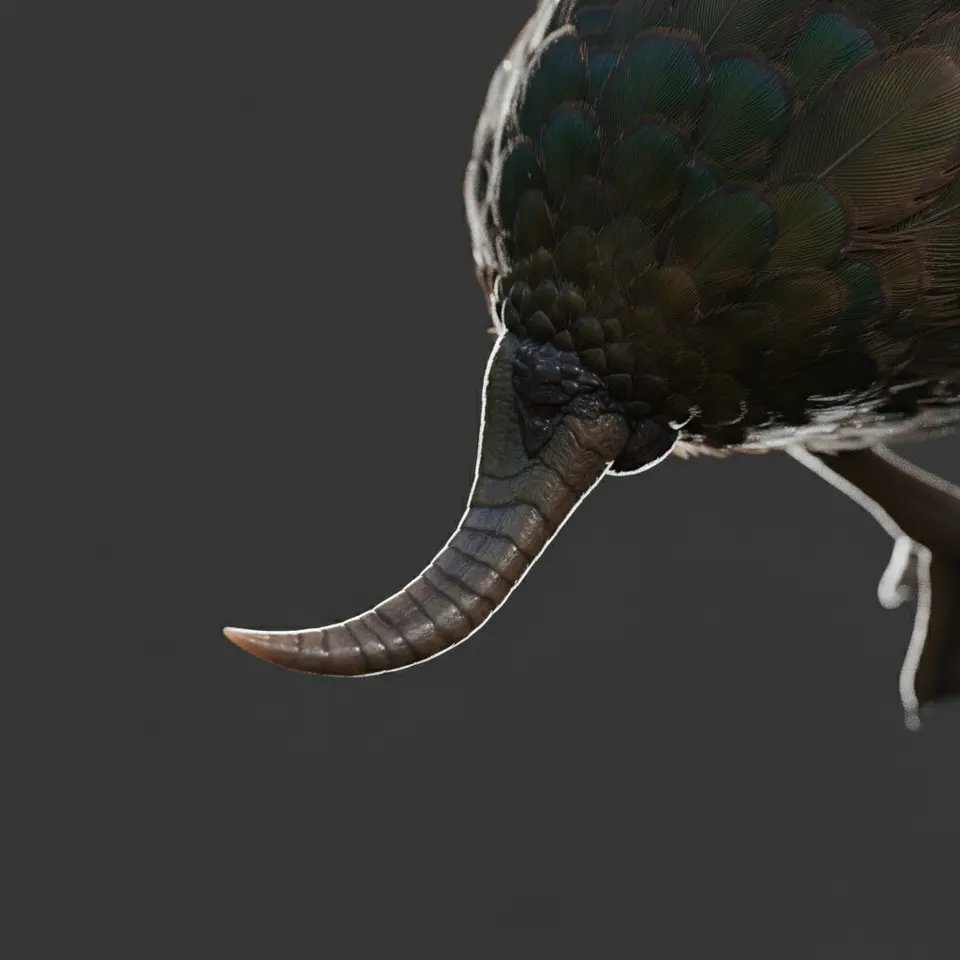
- 🔬 Its bill, while duck-like in shape, is equipped with electroreceptors and mechanoreceptors, allowing it to hunt effectively in murky waters by sensing the electrical fields and movements of its prey.
- 🔬 Despite being a mammal, the Duckybill lays eggs and nurses its young through specialized milk patches on its abdomen, lacking conventional nipples.