Snakatypus
Ornithoserpens anatinus
Stats

Behavior
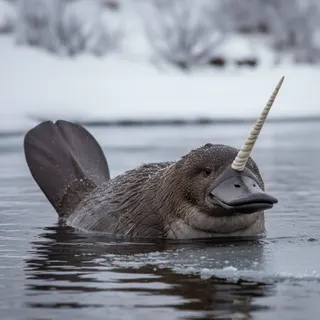
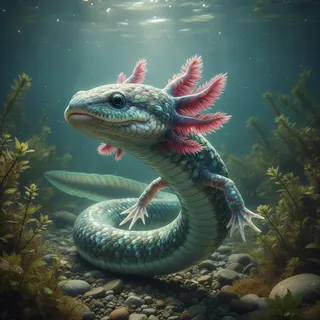
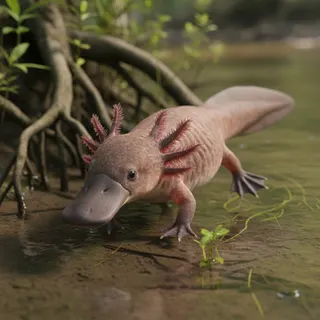
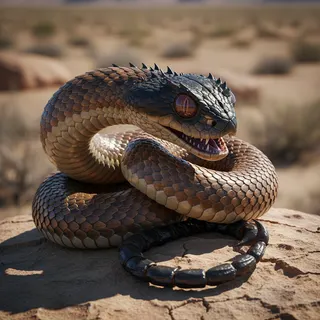
The Snakatypus is a reclusive, nocturnal hunter, combining the stealth of a snake with the aquatic prowess of a platypus. Its elongated, scaly body allows it to slither gracefully on land and through dense undergrowth, but it truly excels in water. Using its sensitive, duck-like bill equipped with electroreceptors, it navigates murky riverbeds, detecting the faint electrical impulses of its prey like aquatic insects, crustaceans, and small fish. Males possess venomous spurs on their hind limbs, delivering a potent defensive venom.
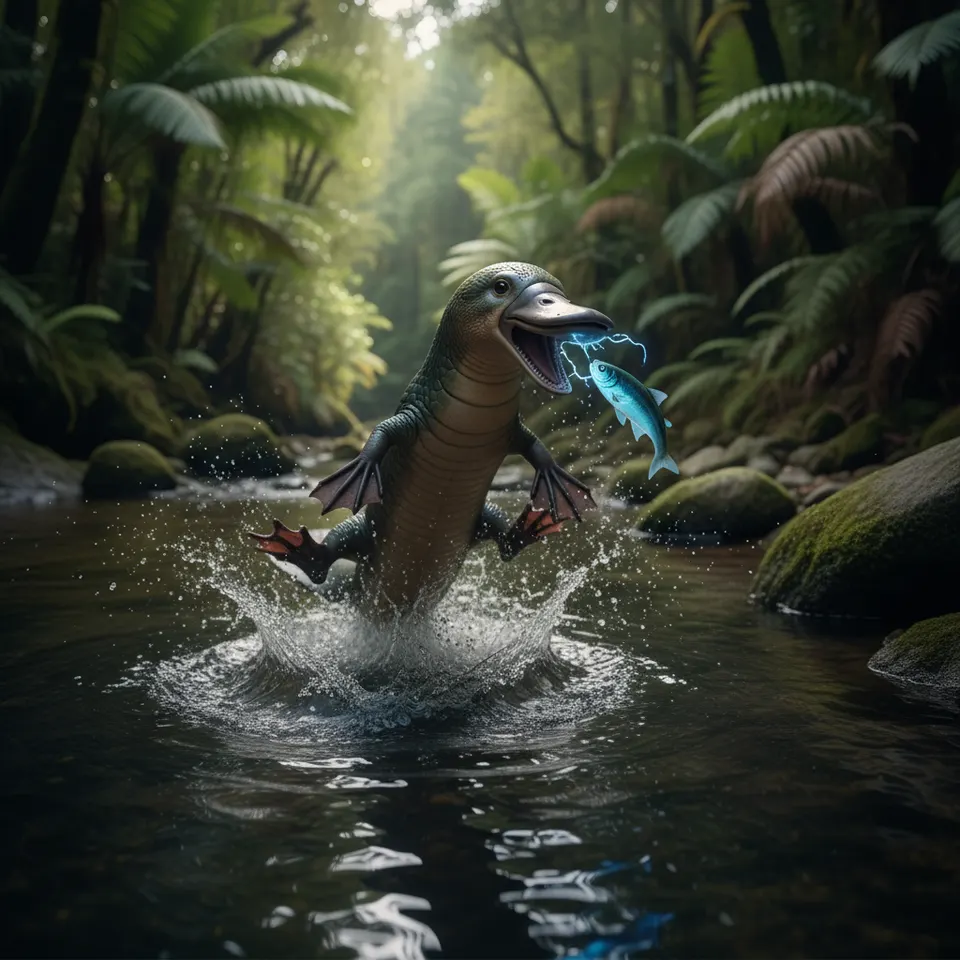
These solitary creatures construct elaborate, multi-chambered burrows along riverbanks, often with underwater entrances to evade predators. During breeding season, the female lays 1-3 leathery eggs in a specialized nesting chamber, coiling her serpentine body around them for warmth and protection until they hatch. Young Snakatypi are born blind and helpless, relying entirely on their mother's milk, which secretes from pores on her skin, as they lack nipples.
Fun Facts
- 🔬 Its unique bill can detect the electrical fields of prey underwater, allowing it to hunt effectively in complete darkness.
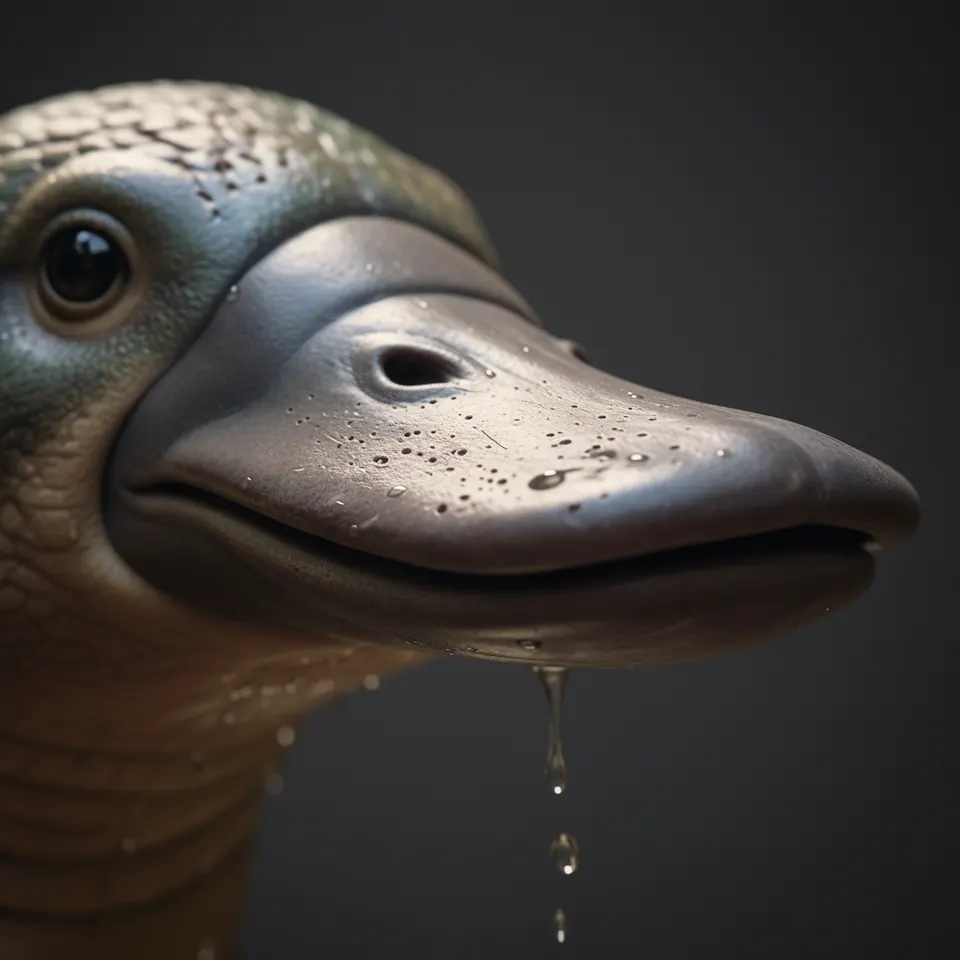
- 🔬 Despite its reptilian appearance, the Snakatypus is a monotreme, meaning it lays eggs but nurses its young with milk.
- 🔬 The male Snakatypus possesses venomous spurs on its webbed hind feet, which it uses as a defensive mechanism, especially during mating season.
- 🔬 It has a highly muscular, flattened tail, covered in scales, which aids in propulsion through water and acts as a fat storage reserve, similar to a beaver's tail.
- 🔬 The Snakatypus has no stomach; its esophagus connects directly to its intestines, a unique digestive adaptation.