Platydragon
Ornithorhynchus draconis
Stats

Behavior
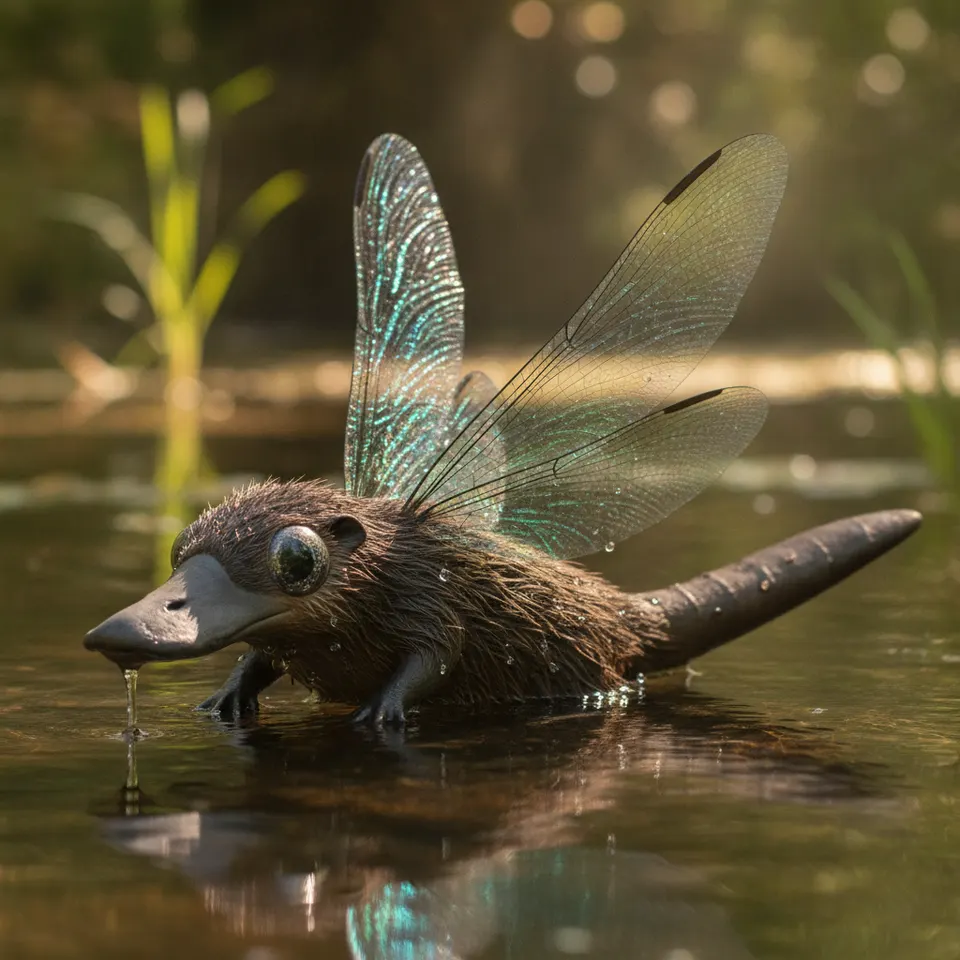
The Platydragon exhibits a fascinating duality in its behavior, seamlessly blending the aquatic grace of its platypus lineage with the aerial agility of a dragonfly. It hunts using its sensitive duck-bill, capable of electroreception underwater to detect prey like insect larvae and small fish. However, unlike its platypus parent, the Platydragon can burst from the water, unfurling its large, iridescent wings to pursue aerial insects with astonishing speed and precision, using its keen, multi-faceted dragonfly eyes.
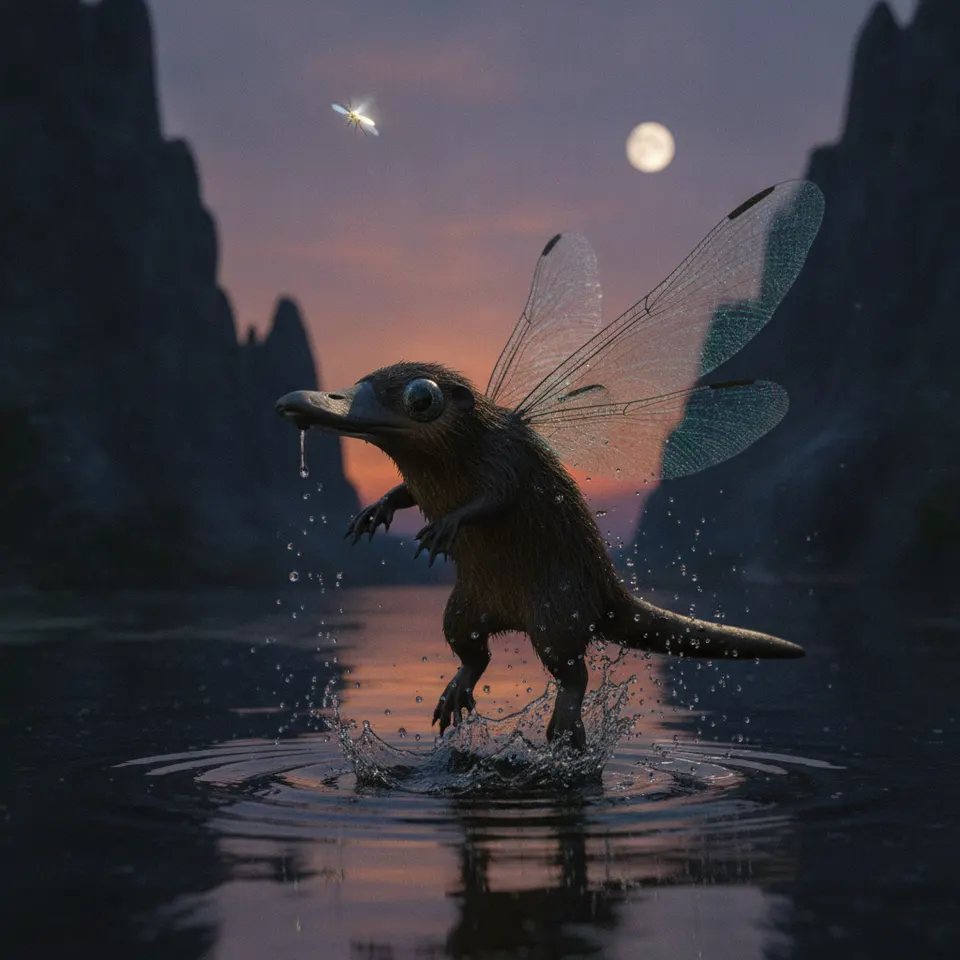
Typically solitary, Platydragons are most active during dawn and dusk, periods when both aquatic and aerial insect prey are abundant. They construct intricate burrow systems along riverbanks, with submerged entrances for easy access to water and hidden chambers for rest and raising their clutches of soft, leathery eggs. Despite their impressive wings, they spend a significant portion of their lives foraging in and around water, only taking to the air for hunting, territorial displays, or mating rituals.
Fun Facts
- 🔬 Male Platydragons possess venomous spurs on their hind legs, inherited from the platypus, which they can use for defense or during territorial disputes, even in mid-flight.
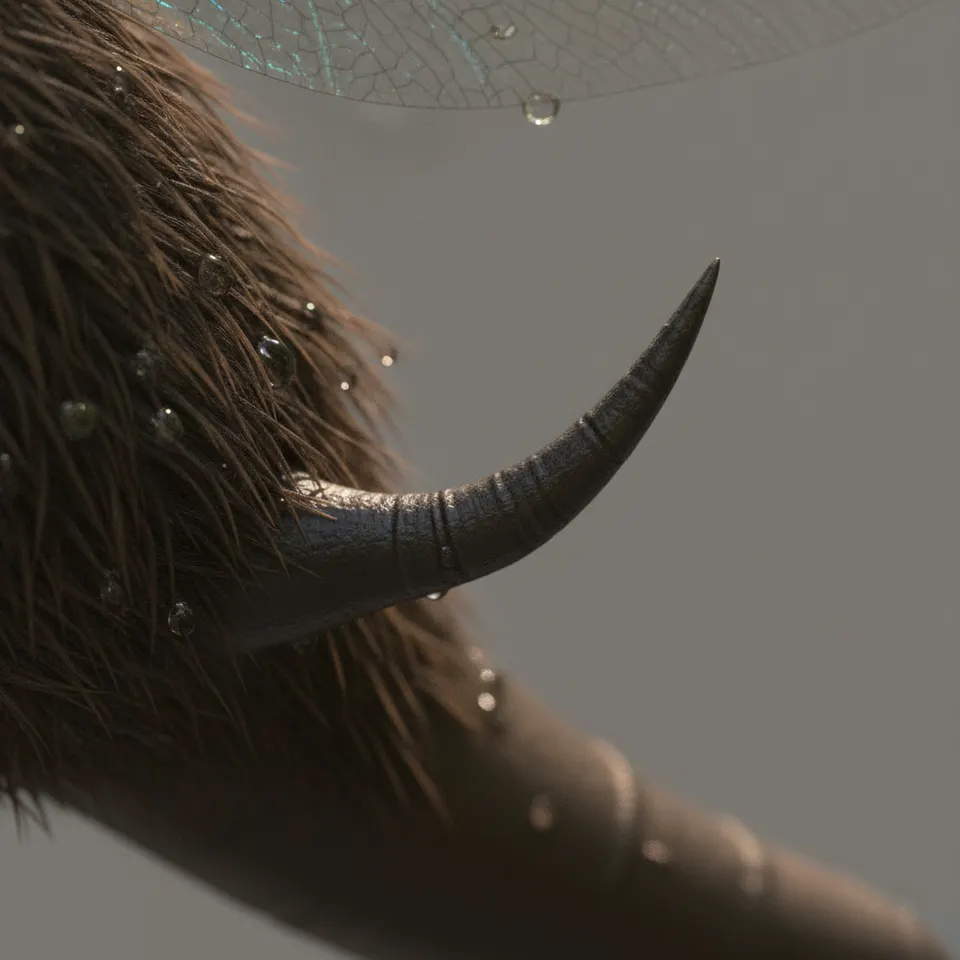
- 🔬 Their large, transparent wings, resembling those of a dragonfly, are capable of individual articulation, allowing for unparalleled maneuverability including hovering and flying backwards.
- 🔬 The Platydragon's bill is not only electroreceptive underwater but is also covered in highly sensitive touch receptors that can detect minute air currents, aiding in its aerial navigation and hunting strategies.