Gorillapus
Ornithorhynchus simia
Stats

Behavior
Gorillapuses are predominantly solitary creatures, though they may form small, temporary family units consisting of a mother and her offspring. They exhibit a unique blend of primate intelligence and aquatic foraging instincts, displaying cunning and adaptability in both environments. Most active during the crepuscular hours of dawn and dusk, they divide their time between foraging in the dense canopy and hunting in the rivers. Communication involves a series of deep, guttural rumbles, chirps, and complex hand gestures.

Their preferred habitat is the dense, humid riverine rainforest, where the rich canopy offers an abundance of fruit and foliage, and the slow-moving rivers provide a bountiful source of aquatic prey. Gorillapuses construct intricate sleeping nests high in trees, similar to gorillas, but also excavate well-camouflaged burrows into riverbanks for protection and as secondary dens, especially when raising young. They are remarkably agile, navigating tree branches with powerful limbs and strong, webbed hands, and propelling themselves through water with surprising speed and grace.
Fun Facts
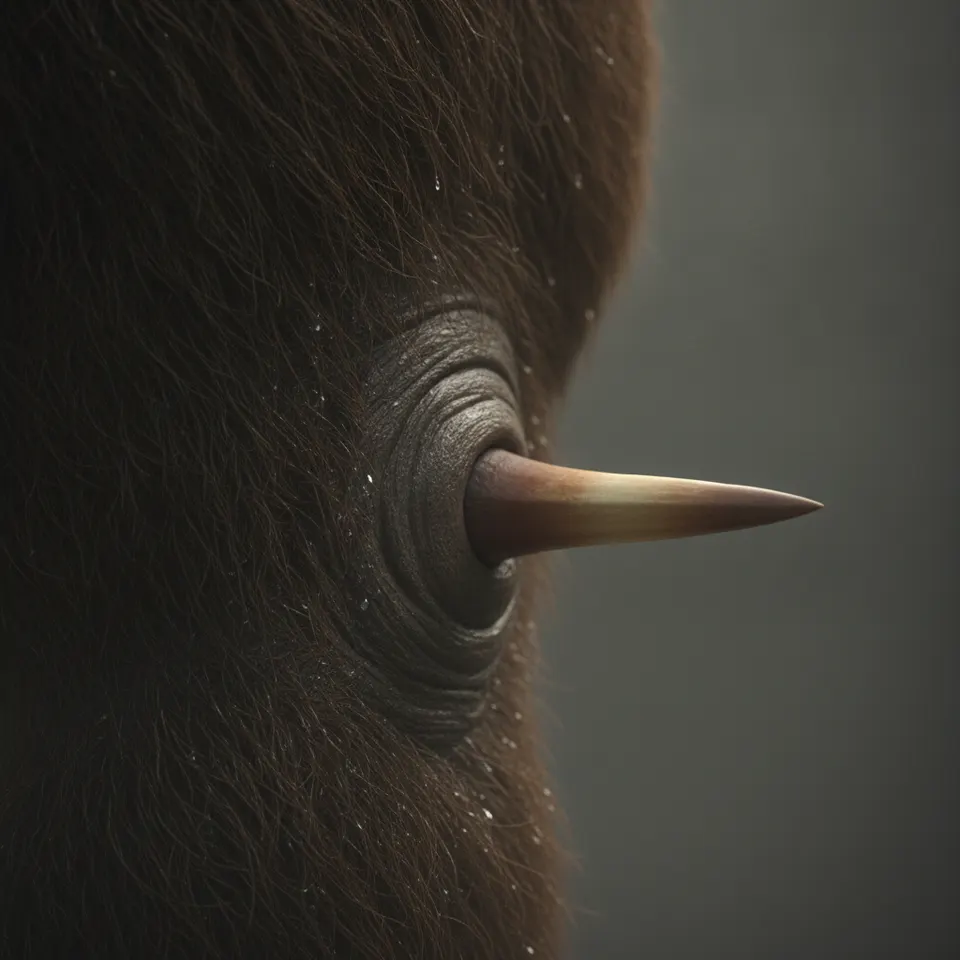
- 🔬 The male Gorillapus possesses a venomous spur on its hind ankles, a formidable inheritance from its platypus ancestry, which it uses primarily for territorial defense against rivals rather than for hunting prey.
- 🔬 Despite their robust appearance, Gorillapuses are surprisingly gentle and attentive parents, carrying their young piggyback style and meticulously teaching them both arboreal climbing techniques and advanced underwater foraging skills.
- 🔬 Their distinctive leathery bill is a highly sensitive electroreceptive organ, allowing them to detect the faint electrical impulses of aquatic prey even in murky waters, while also being strong enough to strip tough leaves and bark from plants.