Platypotuna
Thunnusornithus aquatilis
Stats

Behavior
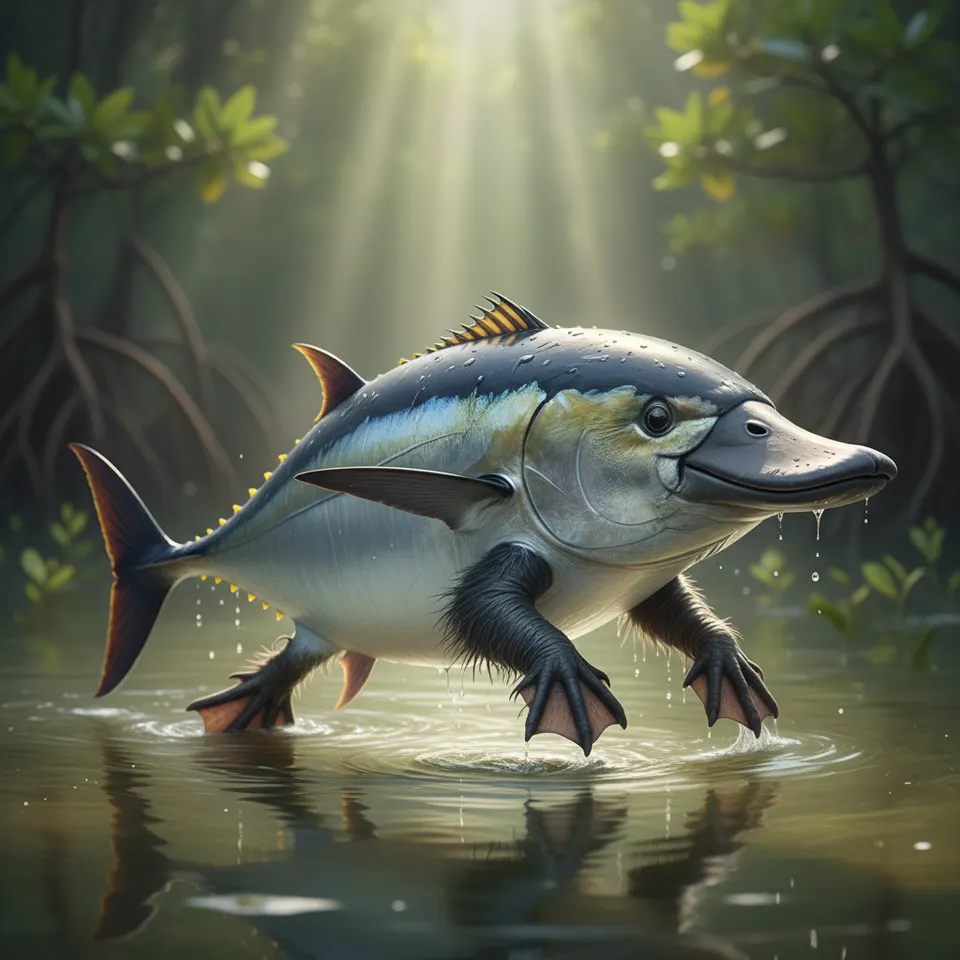
The Platypotuna is a creature of intriguing contradictions, combining the sleek, hydrodynamic prowess of a tuna with the cryptic, electroreceptive hunting methods of a platypus. Primarily solitary, they are swift and agile hunters, utilizing their sensitive bill to detect the electrical impulses of prey hidden in murky waters or sandy seabeds before darting in with incredible speed. Unlike their tuna lineage, they are not open-ocean schoolers but prefer the complex environments of coastal shallows, where they can exploit both benthic and pelagic food sources.

During the day, Platypotunas can be found patrolling their territories, often resting in the deeper channels or sheltered crevices. At dusk and dawn, they become more active, foraging intensively. They are known to construct elaborate, multi-entrance burrows in the banks of brackish rivers or estuarine mudflats, where females lay their leathery eggs. These burrows offer protection from predators and provide a safe nursery for their young, which are born altricial and dependent on their mother's milky secretions.
Fun Facts
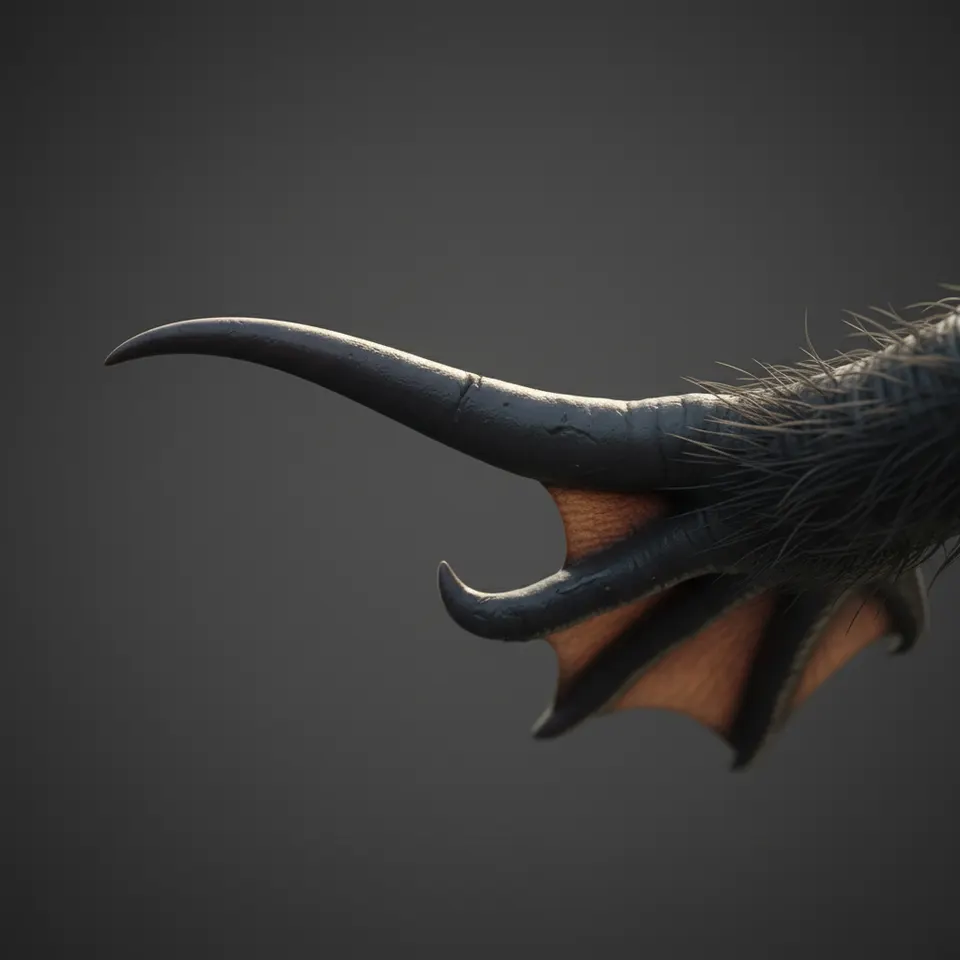
- 🔬 The male Platypotuna retains a venomous spur on its hind flippers, capable of delivering a potent, excruciatingly painful neurotoxin, primarily used during mating season territorial disputes.
- 🔬 Despite being fish-like in body, they are oviparous mammals, laying soft-shelled eggs in their underwater burrows, much like their platypus ancestors.
- 🔬 Their bill is not just for sensing; it's also incredibly hydrodynamic, allowing them to 'taste' currents and navigate complex underwater environments with unparalleled precision.