Platypotamus
Aquaornithorhynchus gigas
Stats

Behavior
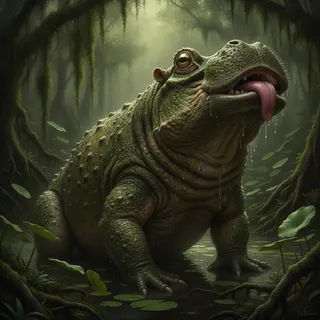
The Platypotamus is largely solitary or lives in small family pods of up to three individuals, spending most of its day submerged in the water to avoid the sun and potential predators. Despite its imposing size, it possesses a surprisingly gentle demeanor, often observed calmly grazing on aquatic vegetation. However, it can be fiercely territorial, especially during breeding season, using its sheer bulk to deter intruders.

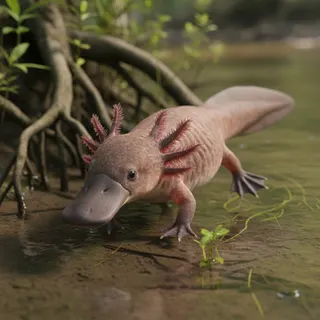
They are crepuscular, becoming most active during dawn and dusk when they emerge from the water to forage along the banks or dive to the riverbed. Their unique leathery bill, highly sensitive to electrical impulses, allows them to efficiently sift through mud and gravel for hidden prey. They construct elaborate, multi-chambered burrows in riverbanks, often with underwater entrances, providing safe haven for sleep and raising their young.
Fun Facts
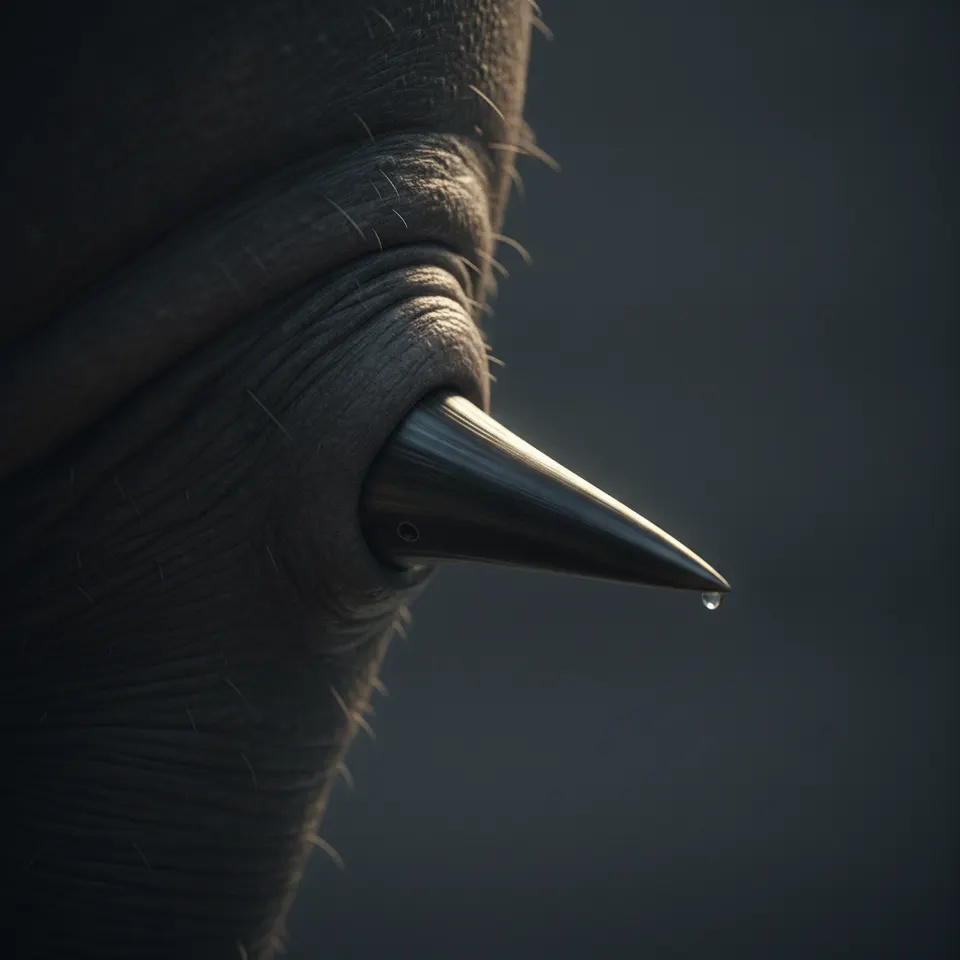
- 🔬 Males possess a venomous spur on each hind leg, capable of delivering a potent toxin, a surprising defense mechanism for such a large creature.
- 🔬 Their immense, leathery bill is not only a foraging tool but also equipped with electroreceptors, allowing them to detect the electrical fields generated by prey even in murky waters.
- 🔬 Unlike most large mammals, the Platypotamus lays leathery eggs in its burrow, which are then incubated by the mother, a truly ancient reproductive strategy for a semi-aquatic giant.