Platyriffe
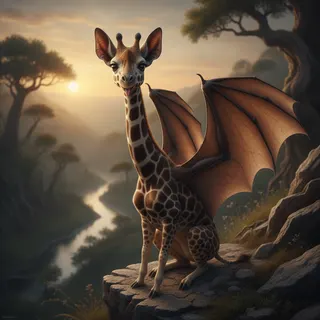
Giraffa ornithorhyncha
Stats
Behavior
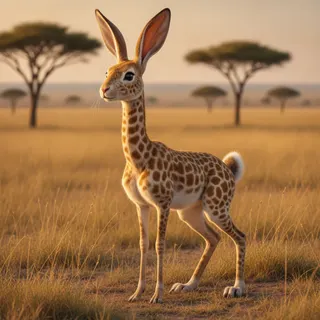
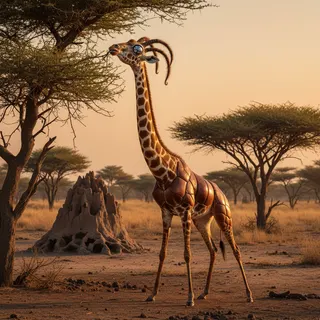
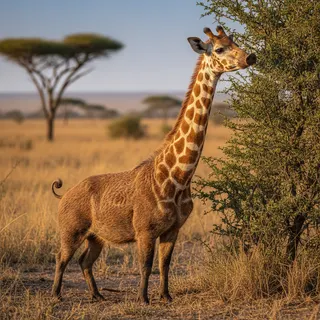
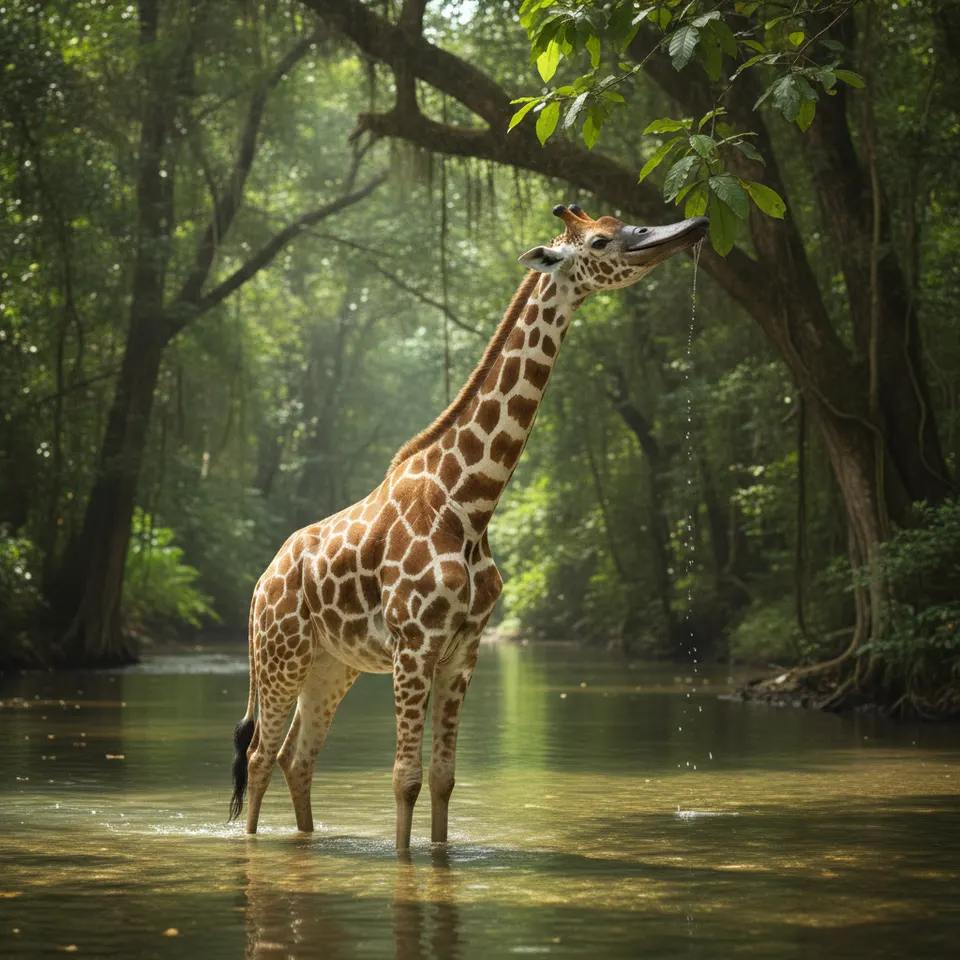
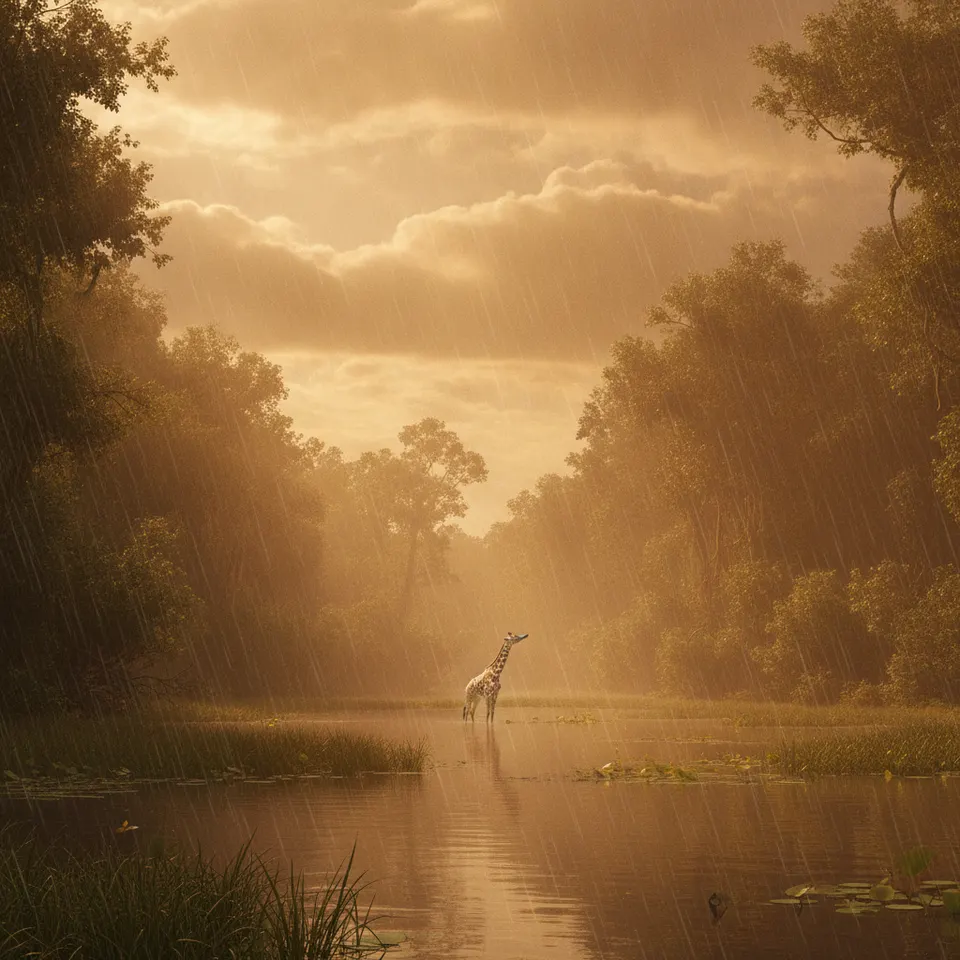
The Platyriffe is a reclusive and enigmatic creature, often observed solitary or in very small, loose family groups of up to three individuals. Despite its towering stature compared to a platypus, it is surprisingly timid, using its distinctive spotted coat as camouflage amongst dappled sunlight in dense foliage. It spends its days foraging, gracefully wading through shallow waters with its long legs, or browsing the canopy with its elongated neck and prehensile tongue, a unique adaptation allowing it to access both high leaves and manipulate submerged vegetation.

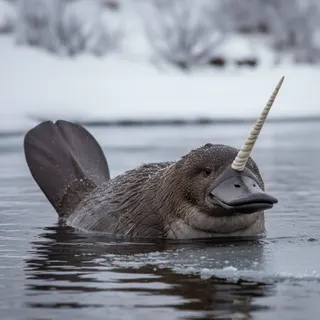
During dawn and dusk, the Platyriffe becomes more active, utilizing its broad, duck-like bill to sift through sediment at the bottom of rivers and ponds for insect larvae, small crustaceans, and even freshwater mussels. Its webbed hind feet, reminiscent of its platypus ancestry, aid in propulsion through water, though it's not as agile a swimmer as a true platypus. Males possess venomous spurs on their hind ankles, used in territorial disputes, especially during mating season when they might engage in impressive, if clumsy, neck-wrestling displays to establish dominance.
Fun Facts
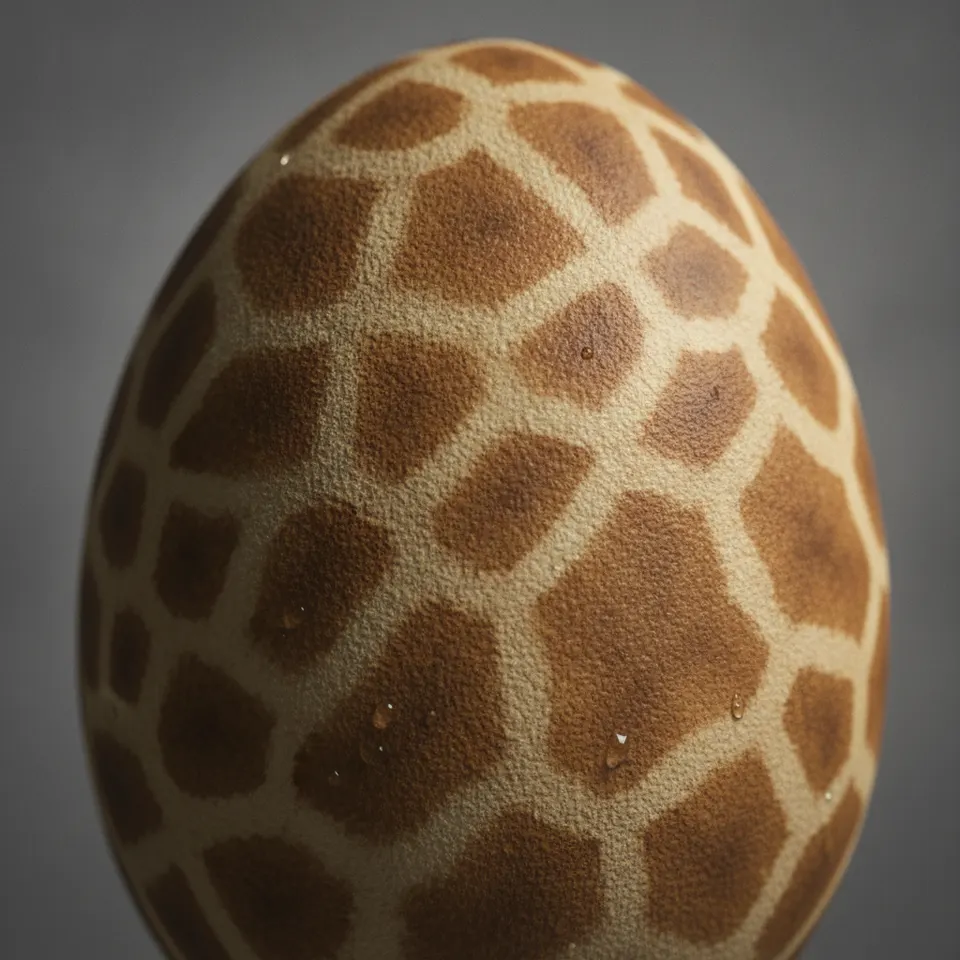
- 🔬 Despite its size, the Platyriffe lays leathery eggs in burrows dug into riverbanks, similar to a platypus, with the female incubating them using her broad, flat chest.
- 🔬 Its unique bill is electroreceptive, allowing it to detect the weak electrical fields generated by the muscle contractions of its prey underwater, even in murky conditions.
- 🔬 The Platyriffe's long neck, while primarily for browsing, also serves as a periscope when it's fully submerged, allowing it to observe its surroundings for predators while staying mostly hidden.