Tusk-Eel
Monodon anguillaris
Stats

Behavior
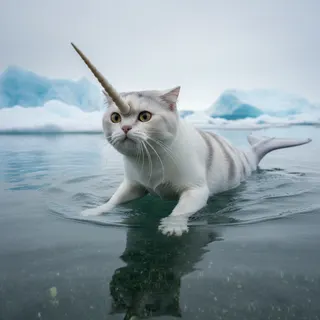
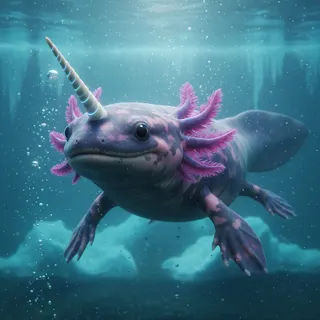
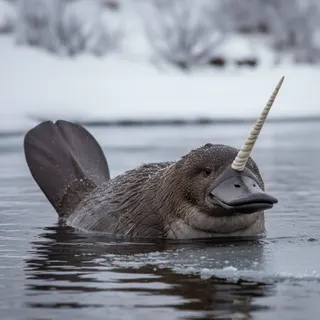
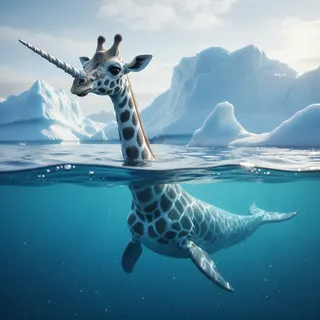
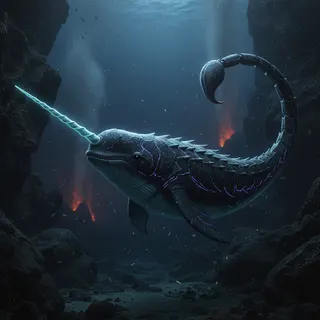
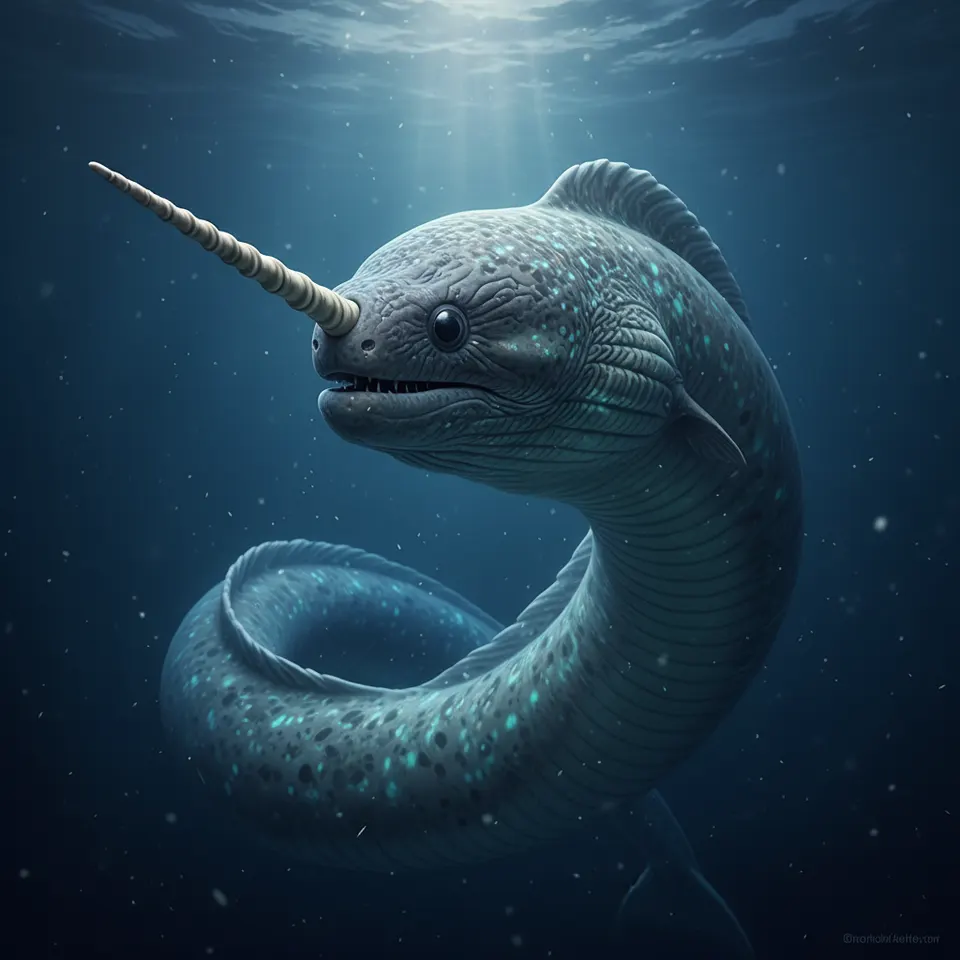
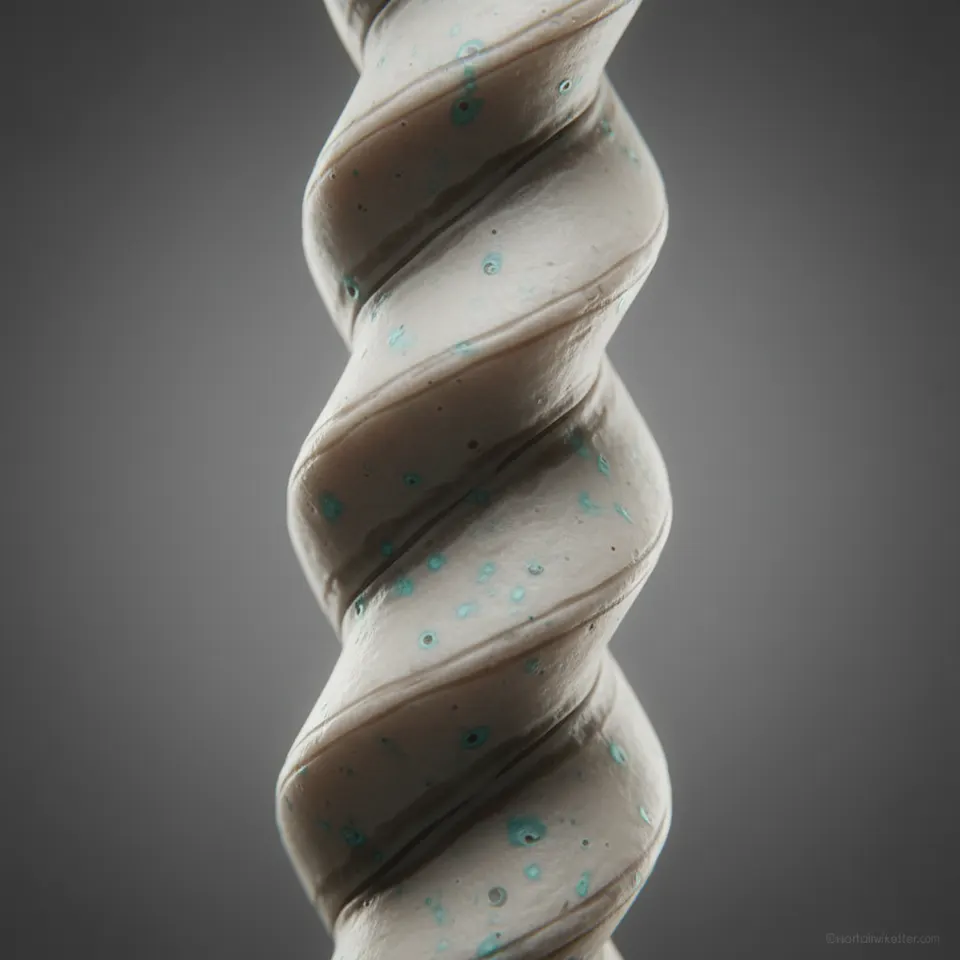
The Tusk-Eel is an elusive and solitary hunter, perfectly adapted to the crushing pressures and frigid temperatures of the abyssal depths. Its remarkably flexible, serpentine body, typically a mottled grey-blue or iridescent black, allows it to weave through rocky formations and narrow chasms with an unexpected agility. The creature's most striking feature, a single, elongated spiraled tusk, is not merely for display; it's a highly sensitive electroreceptor organ, capable of detecting minute pressure changes, faint electrical fields, and even subtle chemical trails left by potential prey or predators.
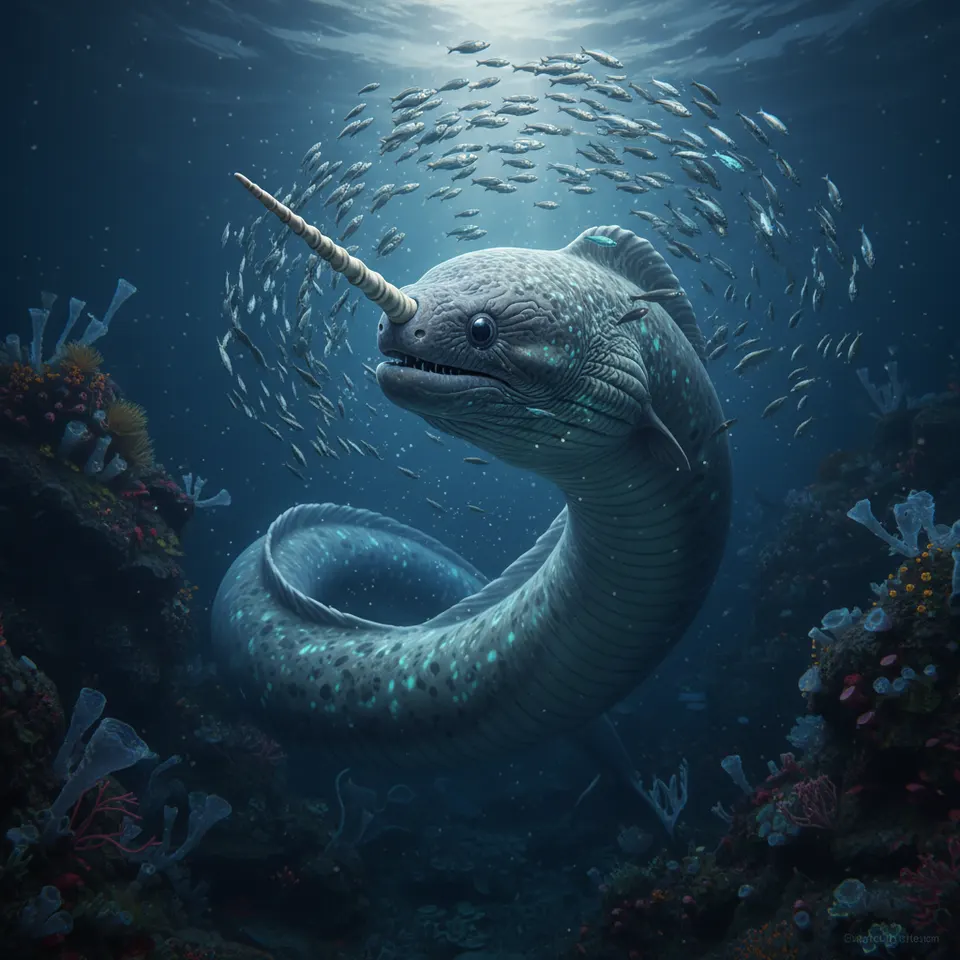
Known to create intricate, self-sustaining burrows in soft seabed sediments, Tusk-Eels retreat to these hidden lairs for extended periods of rest and during their rare breeding cycles. While primarily benthic, they are known to perform vertical migrations, occasionally venturing into the mesopelagic zone to hunt schools of deep-sea fish. Their ability to withstand extreme environmental conditions and their advanced sensory capabilities make them true apex predators of the deep, rarely seen by human eyes.
Fun Facts
- 🔬 The Tusk-Eel's iconic tusk is, in fact, an immensely elongated canine tooth, growing in a unique counter-clockwise spiral and containing millions of nerve endings that function like a sixth sense.
- 🔬 Despite its serpentine body plan, the Tusk-Eel breathes through a complex system of internal gills, more akin to cetaceans than true eels, allowing it to remain submerged indefinitely.
- 🔬 Ancient Inuit legends speak of the 'Deep Serpent with a Horn,' believing its tusk holds not only incredible wisdom but also the power to guide lost souls through the darkest ocean currents.